Senate advances bill shifting school construction oversight to DFCM after debate over safety and local control
February 17, 2026 | 2026 Utah Legislature, Utah Legislature, Utah Legislative Branch, Utah
This article was created by AI summarizing key points discussed. AI makes mistakes, so for full details and context, please refer to the video of the full meeting. Please report any errors so we can fix them. Report an error »
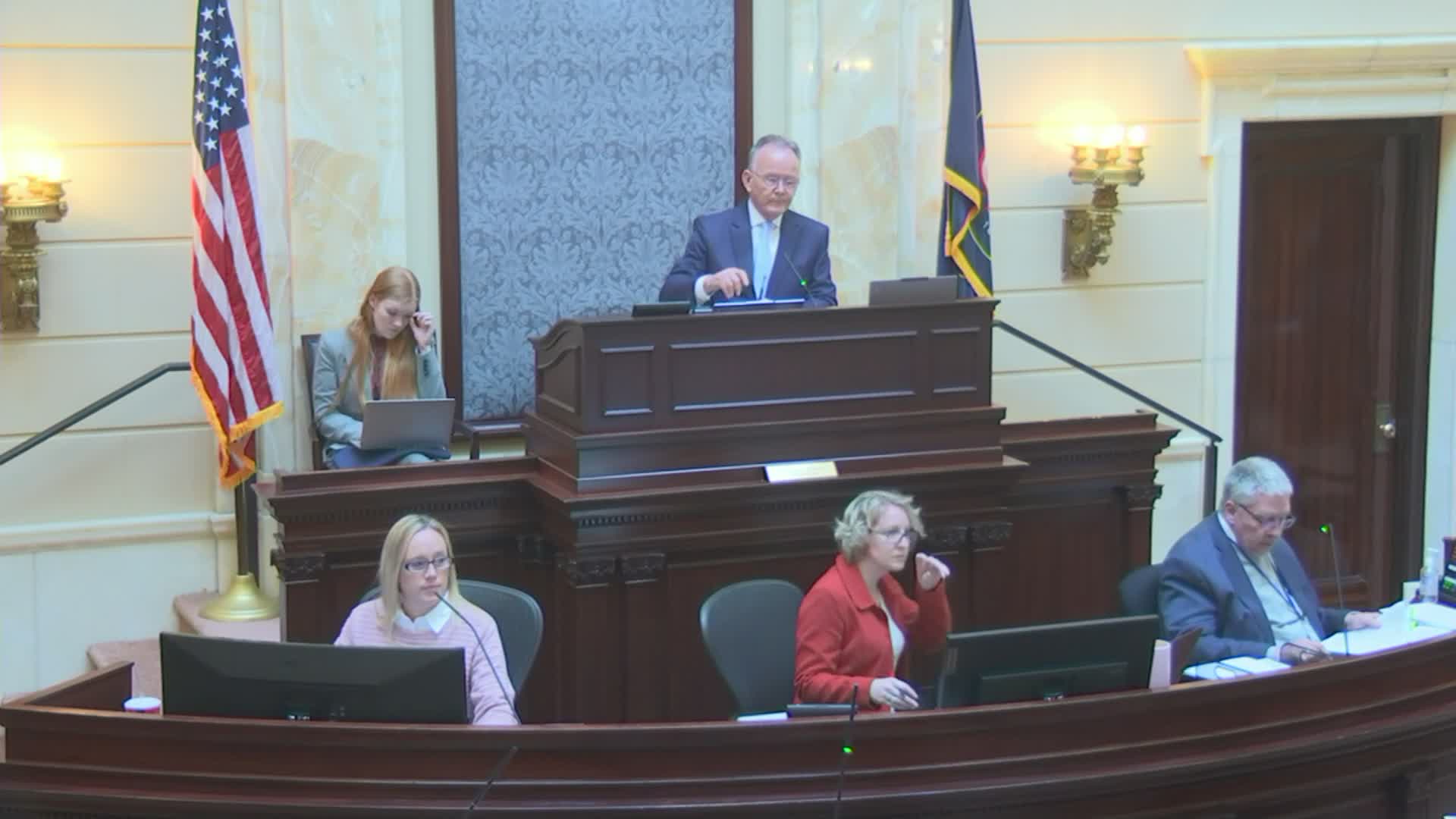
Senator Wilson urged the Utah Senate to approve a second substitute to Senate Bill 164 that would transfer high‑level school construction oversight from the State Board of Education to the Division of Facilities Construction & Management (DFCM), saying the change responds to audit findings about inconsistent plan reviews and potential safety risks.
"This bill transfers public school construction oversight from the State Board of Education to DFCM for both school districts and charter schools," Senator Wilson said, outlining DFCM checkpoints that would include architect contract review, preconstruction cost-matrix approval, plan review and construction permits, contract review at specified thresholds and final certificate-of-occupancy verification.
The sponsor said a recent legislative audit found examples where unqualified personnel made construction decisions, plans lacked professional seals or documentation, and conflicts of interest may have led to waived code requirements. The substitute includes phased implementation beginning Jan. 1, 2027, and a requirement that DFCM maintain a statewide cost database by July 2030 to support cost control and data-driven oversight.
Senators questioned whether the plan would increase costs or slow construction. Senator Owens asked whether the central system would actually lower costs and construction time. Wilson replied that the bill’s value lies in compiling best practices and sharing them across districts; he said DFCM timelines for reviews (10–15 business days) could be faster than many local jurisdictions. The sponsor also emphasized that districts that already employ qualified inspectors or hire DFCM‑approved project managers would remain able to proceed under the bill’s delegation framework.
Opponents and some local education associations told the Senate they fear added fees and restrictions. Senator Eby and others noted the Utah School Boards Association and the Utah Rural Schools Association had expressed opposition; questions focused on whether the measure represented an opt‑in framework for districts or a new mandate. The sponsor repeatedly stated the approach is opt‑in or delegable: districts with qualified staff may continue internal plan review if they can show qualified inspectors and meet reporting requirements.
The substitute creates an appeals procedure (three‑member panel) and allows DFCM to delegate oversight to qualified LEAs that demonstrate internal capacity. It also authorizes a fee schedule to cover DFCM oversight services, with exemptions or reduced fees for districts that use division‑approved project managers.
The bill’s sponsor said the change aims to reduce safety risks, create standardized cost benchmarks and collect consistent data so best practices can be shared statewide. Opponents urged caution and emphasized preserving local control and limiting new costs for school districts.
The Senate substituted the bill and circled it pending fiscal questions; the bill was moved toward third reading during the floor session.
"This bill transfers public school construction oversight from the State Board of Education to DFCM for both school districts and charter schools," Senator Wilson said, outlining DFCM checkpoints that would include architect contract review, preconstruction cost-matrix approval, plan review and construction permits, contract review at specified thresholds and final certificate-of-occupancy verification.
The sponsor said a recent legislative audit found examples where unqualified personnel made construction decisions, plans lacked professional seals or documentation, and conflicts of interest may have led to waived code requirements. The substitute includes phased implementation beginning Jan. 1, 2027, and a requirement that DFCM maintain a statewide cost database by July 2030 to support cost control and data-driven oversight.
Senators questioned whether the plan would increase costs or slow construction. Senator Owens asked whether the central system would actually lower costs and construction time. Wilson replied that the bill’s value lies in compiling best practices and sharing them across districts; he said DFCM timelines for reviews (10–15 business days) could be faster than many local jurisdictions. The sponsor also emphasized that districts that already employ qualified inspectors or hire DFCM‑approved project managers would remain able to proceed under the bill’s delegation framework.
Opponents and some local education associations told the Senate they fear added fees and restrictions. Senator Eby and others noted the Utah School Boards Association and the Utah Rural Schools Association had expressed opposition; questions focused on whether the measure represented an opt‑in framework for districts or a new mandate. The sponsor repeatedly stated the approach is opt‑in or delegable: districts with qualified staff may continue internal plan review if they can show qualified inspectors and meet reporting requirements.
The substitute creates an appeals procedure (three‑member panel) and allows DFCM to delegate oversight to qualified LEAs that demonstrate internal capacity. It also authorizes a fee schedule to cover DFCM oversight services, with exemptions or reduced fees for districts that use division‑approved project managers.
The bill’s sponsor said the change aims to reduce safety risks, create standardized cost benchmarks and collect consistent data so best practices can be shared statewide. Opponents urged caution and emphasized preserving local control and limiting new costs for school districts.
The Senate substituted the bill and circled it pending fiscal questions; the bill was moved toward third reading during the floor session.
View the Full Meeting & All Its Details
This article offers just a summary. Unlock complete video, transcripts, and insights as a Founder Member.
✓
Watch full, unedited meeting videos
✓
Search every word spoken in unlimited transcripts
✓
AI summaries & real-time alerts (all government levels)
✓
Permanent access to expanding government content
30-day money-back guarantee
