House advances Great Salt Lake package: funding redirection and leasing measures pass
February 17, 2026 | 2026 Utah Legislature, Utah Legislature, Utah Legislative Branch, Utah
This article was created by AI summarizing key points discussed. AI makes mistakes, so for full details and context, please refer to the video of the full meeting. Please report any errors so we can fix them. Report an error »
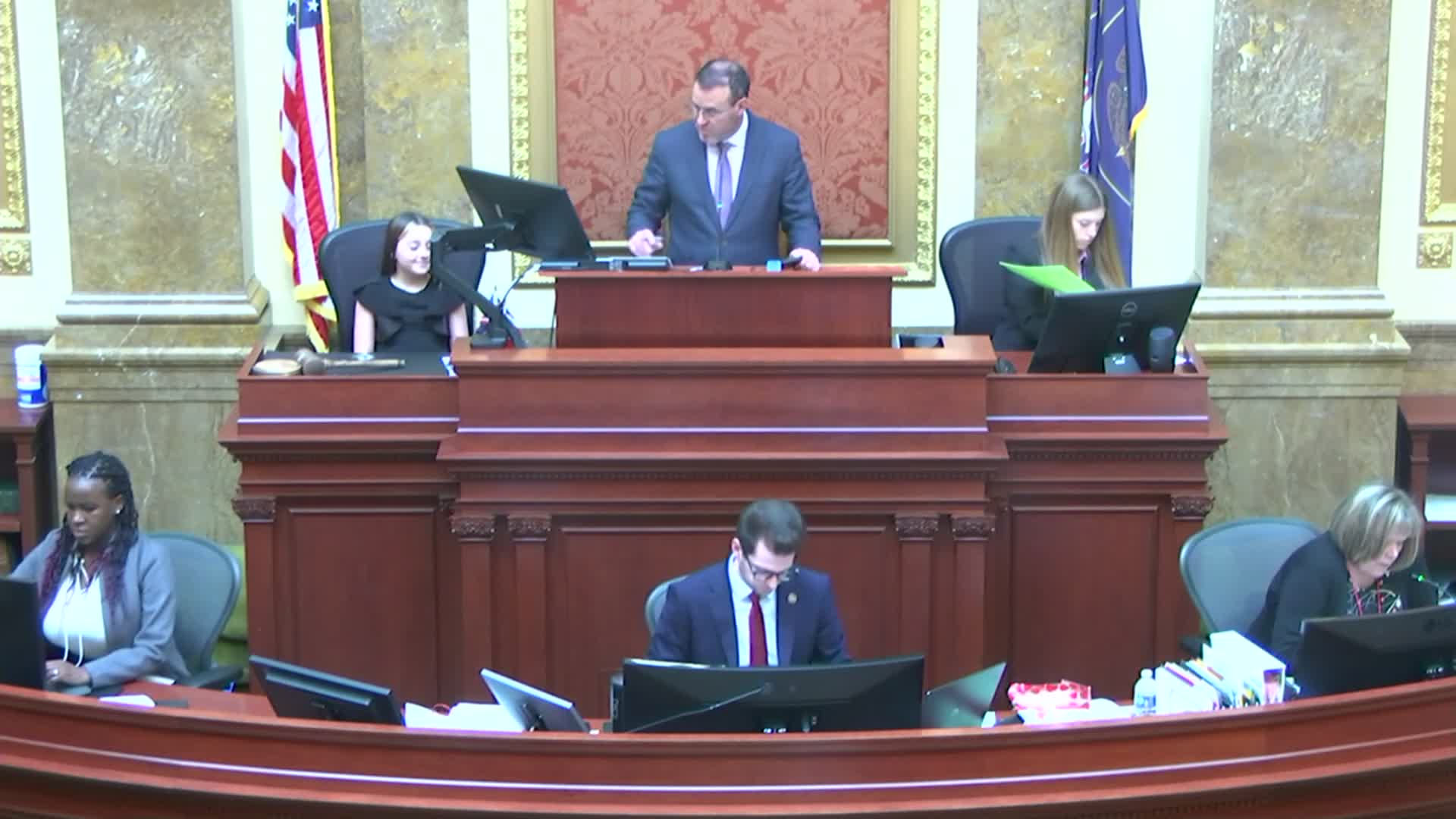
SALT LAKE CITY — The Utah House on Feb. 17 advanced a package of bills intended to bolster the Great Salt Lake by redirecting funds and creating mechanisms to deliver water to the lake.
Representative Raymond Ward sponsored House Bill 247, a bill that redirects an existing brine-shrimp assessment into the sovereign lands account to be used for leasing water rights into the lake or other projects to protect brine shrimp. Ward said the redirected use is intended to get “a little water go into the lake each year” and help protect the brine-shrimp population that supports migratory birds. The House adopted a second substitute to address short-term tax liabilities for affected industries after the US Magnesium bankruptcy, and HB247 passed 71–0.
Representative Tim Colford carried HB348 (first substitute), which creates a dedicated-water application to prioritize delivery of water rights to projects such as the Great Salt Lake and Colorado River efforts while preserving the underlying water right. Colford said the process allows certain projects to “jump to the front of the line” when necessary; HB348 passed the House 70–0.
Representative Tim Cofer presented HB410, a voluntary, market-driven and temporary water-leasing program designed to bring water to the Great Salt Lake. Cofer said agriculture stakeholders praised the voluntary leasing model as a way to participate seasonally and help deliver water to the lake. The House passed HB410 69–1.
Supporters noted the bills do not create new ongoing funding in many cases but instead redirect or prioritize existing rights and assessments. Representative Acton and others emphasized the brine shrimps’ ecological importance; Representative Snyder sponsored a substitute that temporarily froze certain tax liabilities while the state sorts longer-term arrangements.
What’s next: The measures passed the House and will be transmitted to the Senate for further consideration; proponents said the bills are one part of a broader effort to protect the lake’s ecology.
Representative Raymond Ward sponsored House Bill 247, a bill that redirects an existing brine-shrimp assessment into the sovereign lands account to be used for leasing water rights into the lake or other projects to protect brine shrimp. Ward said the redirected use is intended to get “a little water go into the lake each year” and help protect the brine-shrimp population that supports migratory birds. The House adopted a second substitute to address short-term tax liabilities for affected industries after the US Magnesium bankruptcy, and HB247 passed 71–0.
Representative Tim Colford carried HB348 (first substitute), which creates a dedicated-water application to prioritize delivery of water rights to projects such as the Great Salt Lake and Colorado River efforts while preserving the underlying water right. Colford said the process allows certain projects to “jump to the front of the line” when necessary; HB348 passed the House 70–0.
Representative Tim Cofer presented HB410, a voluntary, market-driven and temporary water-leasing program designed to bring water to the Great Salt Lake. Cofer said agriculture stakeholders praised the voluntary leasing model as a way to participate seasonally and help deliver water to the lake. The House passed HB410 69–1.
Supporters noted the bills do not create new ongoing funding in many cases but instead redirect or prioritize existing rights and assessments. Representative Acton and others emphasized the brine shrimps’ ecological importance; Representative Snyder sponsored a substitute that temporarily froze certain tax liabilities while the state sorts longer-term arrangements.
What’s next: The measures passed the House and will be transmitted to the Senate for further consideration; proponents said the bills are one part of a broader effort to protect the lake’s ecology.
Don't Miss a Word: See the Full Meeting!
Go beyond summaries. Unlock every video, transcript, and key insight with a Founder Membership.
✓
Get instant access to full meeting videos
✓
Search and clip any phrase from complete transcripts
✓
Receive AI-powered summaries & custom alerts
✓
Enjoy lifetime, unrestricted access to government data
30-day money-back guarantee
