House committee advances HB88 after hours of public testimony on immigration and benefits
February 17, 2026 | 2026 Utah Legislature, Utah Legislature, Utah Legislative Branch, Utah
This article was created by AI summarizing key points discussed. AI makes mistakes, so for full details and context, please refer to the video of the full meeting. Please report any errors so we can fix them. Report an error »
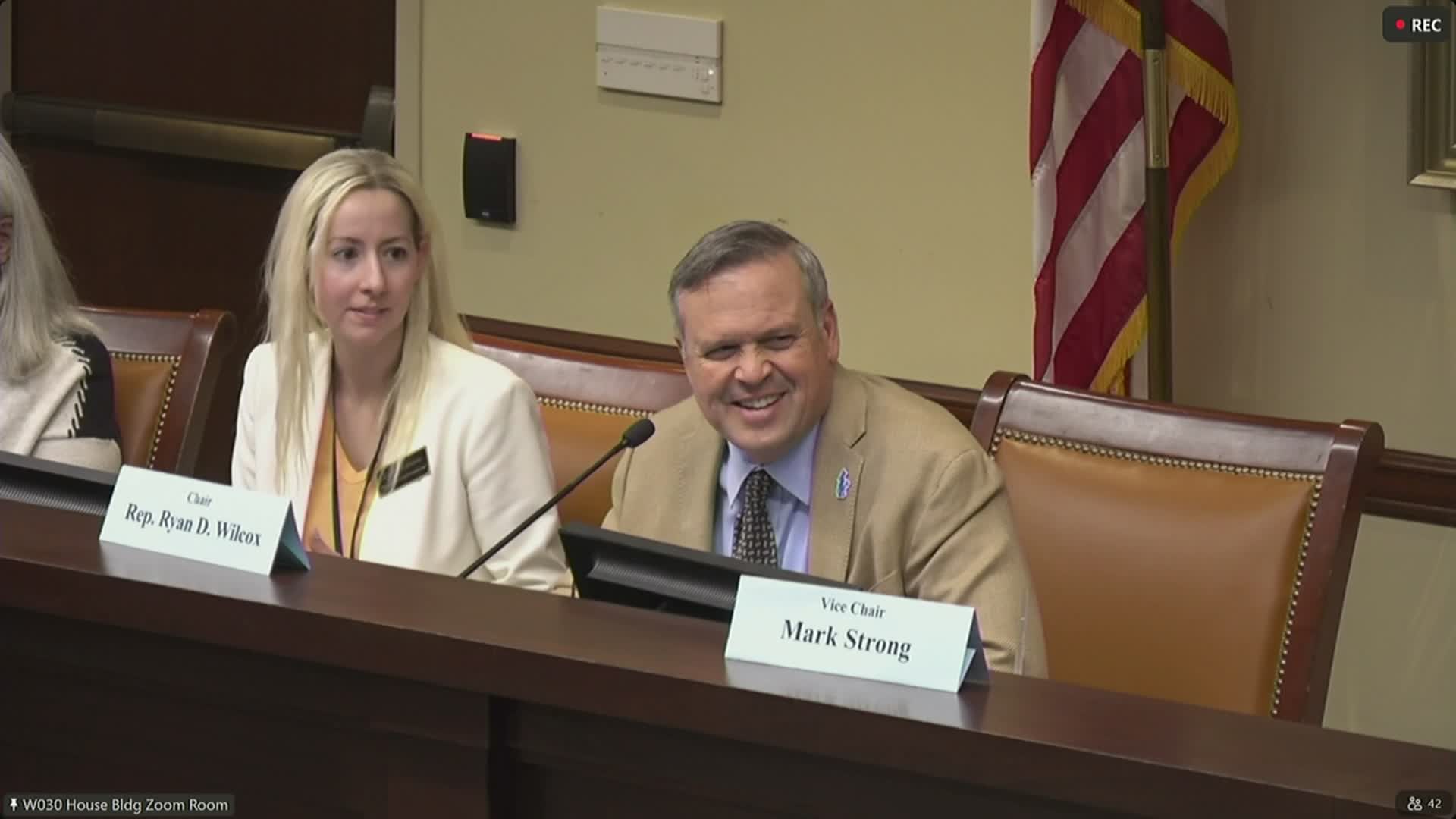
Representative Trevor Lee, sponsor of HB88, framed the bill as a fiscal and rule‑of‑law measure, opening his presentation with the line, “Compassion stops at the door of irresponsibility.” He told the committee he relied on national and state estimates to argue the measure would reduce costs to Utah taxpayers by clarifying who is eligible for state funds.
Committee members pressed the sponsor on legal and fiscal implications. Representative Griffin Stoddard asked whether the bill would shift decisions away from juries and questioned the private right of action and potential liabilities to local governments. The sponsor described changes in the third substitute intended to limit the private right of action to cases of willful or reckless conduct by an employee, and said substitute 5 would return CHIP authorization discussions to 2028.
Public testimony ran for hours and featured a mix of voices. Healthcare professionals warned of public‑health risks if verification requirements deter care: “This bill is a direct threat to the health and well‑being of Utah’s children and families,” said Dr. Sarah Shear of the American Academy of Pediatrics, Utah chapter, citing vaccines and communicable‑disease testing as concerns. Nonprofit leaders and food‑bank officials warned of significant administrative costs and operational disruption at pantries; Neil Rickard of Utahns Against Hunger said the Utah Food Bank anticipates about $500,000 in compliance costs.
Opponents argued HB88 would create barriers for vulnerable people and increase costs in other parts of the system, including emergency‑room care. Supporters urged taxpayer protection and stricter eligibility standards. Several witnesses cited Idaho’s similar law, and committee members noted that Idaho’s statute is enjoined and widely litigated, prompting questions about likely federal preemption and litigation risk.
During committee action, Representative Stoddard moved to hold the bill, citing late substitute language and insufficient fiscal information; that motion failed by voice vote. Representative Ballard moved to adopt substitute 5 (a combination of previous subs which clarified immunity and CHIP timing); the committee adopted substitute 5 by voice vote and then voted 7–3 to report HB88 Substitute 5 favorably to the House floor.
The committee record shows vigorous stakeholder disagreement over legal risk, public‑health impacts, and administrative cost. The bill will next be considered on the House floor where the substitutes and private‑enforcement provisions will likely draw additional debate and, possibly, legal review.
Committee members pressed the sponsor on legal and fiscal implications. Representative Griffin Stoddard asked whether the bill would shift decisions away from juries and questioned the private right of action and potential liabilities to local governments. The sponsor described changes in the third substitute intended to limit the private right of action to cases of willful or reckless conduct by an employee, and said substitute 5 would return CHIP authorization discussions to 2028.
Public testimony ran for hours and featured a mix of voices. Healthcare professionals warned of public‑health risks if verification requirements deter care: “This bill is a direct threat to the health and well‑being of Utah’s children and families,” said Dr. Sarah Shear of the American Academy of Pediatrics, Utah chapter, citing vaccines and communicable‑disease testing as concerns. Nonprofit leaders and food‑bank officials warned of significant administrative costs and operational disruption at pantries; Neil Rickard of Utahns Against Hunger said the Utah Food Bank anticipates about $500,000 in compliance costs.
Opponents argued HB88 would create barriers for vulnerable people and increase costs in other parts of the system, including emergency‑room care. Supporters urged taxpayer protection and stricter eligibility standards. Several witnesses cited Idaho’s similar law, and committee members noted that Idaho’s statute is enjoined and widely litigated, prompting questions about likely federal preemption and litigation risk.
During committee action, Representative Stoddard moved to hold the bill, citing late substitute language and insufficient fiscal information; that motion failed by voice vote. Representative Ballard moved to adopt substitute 5 (a combination of previous subs which clarified immunity and CHIP timing); the committee adopted substitute 5 by voice vote and then voted 7–3 to report HB88 Substitute 5 favorably to the House floor.
The committee record shows vigorous stakeholder disagreement over legal risk, public‑health impacts, and administrative cost. The bill will next be considered on the House floor where the substitutes and private‑enforcement provisions will likely draw additional debate and, possibly, legal review.
View the Full Meeting & All Its Details
This article offers just a summary. Unlock complete video, transcripts, and insights as a Founder Member.
✓
Watch full, unedited meeting videos
✓
Search every word spoken in unlimited transcripts
✓
AI summaries & real-time alerts (all government levels)
✓
Permanent access to expanding government content
30-day money-back guarantee
