Florida committee advances sweeping election-integrity bill after hours of debate and public testimony
February 17, 2026 | 2026 Legislature FL, Florida
This article was created by AI summarizing key points discussed. AI makes mistakes, so for full details and context, please refer to the video of the full meeting. Please report any errors so we can fix them. Report an error »
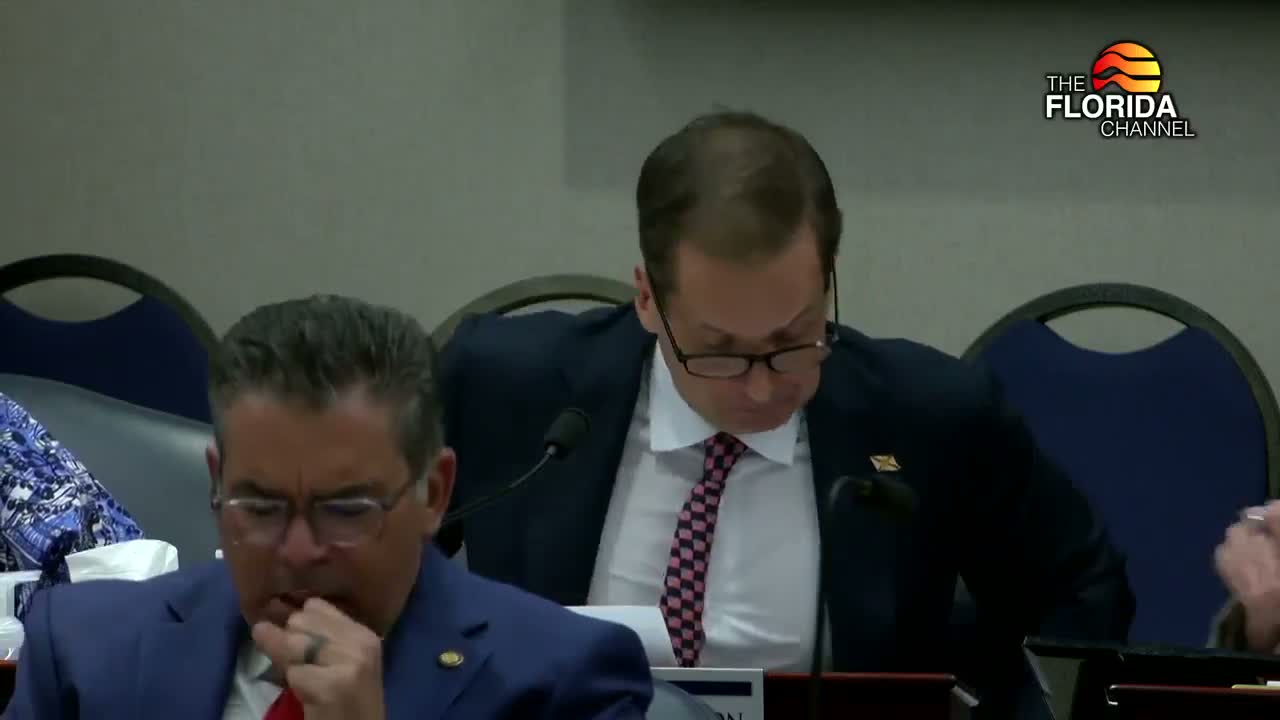
The Florida House State Affairs Committee on Feb. 18 reported favorably CS for HB 991 after hours of debate and public testimony. The strike-all would require documentary proof of U.S. citizenship for registration verification, tighten the voter-oath language, narrow the set of acceptable photo IDs at the polls (removing student and certain nongovernmental IDs), require paper ballots by default, and add an automated vote-validation step prior to certification.
Sponsor Representative Persons Mullica said the changes are meant to "strengthen our citizenship verification process" and to "stop foreign interference in our elections," and said the bill preserves due process for anyone whose citizenship cannot be verified. The strike-all sets an effective date of Jan. 1, 2027 for most voter-ID changes and July 1, 2026 for some verification provisions.
Opponents, including voting-rights groups, student organizations and the ACLU, urged the committee to reject the strike-all. Jonathan Weber of the SPLC said documentary-proof requirements in other states "put lawful voters at risk of being blocked from the ballot" and cited litigation and administrative failures in Kansas and elsewhere. Student and community witnesses said many eligible voters — including students, seniors, people experiencing poverty and people born during eras of segregated health care who lack birth certificates — could be disproportionately affected.
Committee members pressed sponsors on operational details: what documents are acceptable; whether scanned or mailed copies may be submitted; how supervisors of elections would retain or destroy sensitive documents; how voters would cure provisional ballots; and what outreach would be done for students and seniors. Sponsor representatives said the bill does not require retention of personal documents, only a notation of the document type in the record, and that existing due-process timelines remain, including provisional ballots and a 30-day cure period.
The committee also adopted several amendment layers during the hearing, including a strike call and a subsequent amendment that removed an unrelated provision concerning rural electric cooperatives. After public testimony from both advocates and opponents, the committee voted 17 yeas to 6 nays to report CS for HB 991 favorably.
What happens next: CS for HB 991 will move through the legislature’s calendar process. Supporters said the bill would modernize verification and protect against foreign and fraudulent influence; critics signaled likely legal challenges and urged lawmakers to consider narrower, targeted changes rather than a broad strike-all.
Sponsor Representative Persons Mullica said the changes are meant to "strengthen our citizenship verification process" and to "stop foreign interference in our elections," and said the bill preserves due process for anyone whose citizenship cannot be verified. The strike-all sets an effective date of Jan. 1, 2027 for most voter-ID changes and July 1, 2026 for some verification provisions.
Opponents, including voting-rights groups, student organizations and the ACLU, urged the committee to reject the strike-all. Jonathan Weber of the SPLC said documentary-proof requirements in other states "put lawful voters at risk of being blocked from the ballot" and cited litigation and administrative failures in Kansas and elsewhere. Student and community witnesses said many eligible voters — including students, seniors, people experiencing poverty and people born during eras of segregated health care who lack birth certificates — could be disproportionately affected.
Committee members pressed sponsors on operational details: what documents are acceptable; whether scanned or mailed copies may be submitted; how supervisors of elections would retain or destroy sensitive documents; how voters would cure provisional ballots; and what outreach would be done for students and seniors. Sponsor representatives said the bill does not require retention of personal documents, only a notation of the document type in the record, and that existing due-process timelines remain, including provisional ballots and a 30-day cure period.
The committee also adopted several amendment layers during the hearing, including a strike call and a subsequent amendment that removed an unrelated provision concerning rural electric cooperatives. After public testimony from both advocates and opponents, the committee voted 17 yeas to 6 nays to report CS for HB 991 favorably.
What happens next: CS for HB 991 will move through the legislature’s calendar process. Supporters said the bill would modernize verification and protect against foreign and fraudulent influence; critics signaled likely legal challenges and urged lawmakers to consider narrower, targeted changes rather than a broad strike-all.
View the Full Meeting & All Its Details
This article offers just a summary. Unlock complete video, transcripts, and insights as a Founder Member.
✓
Watch full, unedited meeting videos
✓
Search every word spoken in unlimited transcripts
✓
AI summaries & real-time alerts (all government levels)
✓
Permanent access to expanding government content
30-day money-back guarantee
