Kansas committee advances bill extending protections to federal officers, creates misdemeanor for approaching first responders
February 16, 2026 | Federal and State Affairs, Standing, Senate, Committees, Legislative, Kansas
This article was created by AI summarizing key points discussed. AI makes mistakes, so for full details and context, please refer to the video of the full meeting. Please report any errors so we can fix them. Report an error »
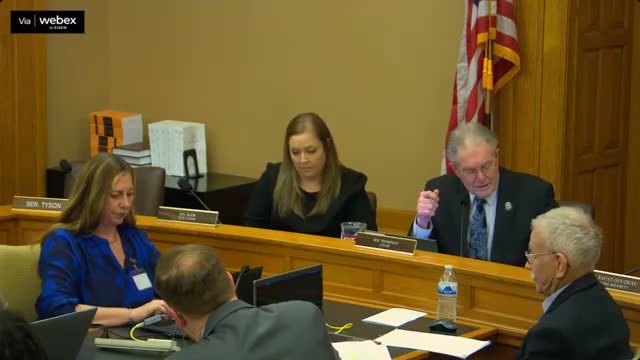
The Kansas Senate Federal and State Affairs committee on Tuesday voted to advance Senate Bill 452, a bill that would expand the definition of "law enforcement officer" across several state statutes to include federal law enforcement officers and add related protections for federal vehicles.
Jason, the committee reviser, summarized the bill for members, saying it "expands the definition of law enforcement officer" in state traffic and abandoned-vehicle statutes to include federal officers and "amends the Tort Claims Act" so that enforcement of federal laws and executive orders can be covered by the state's immunity framework. Jason added that the bill "expands the crime of interference with the law enforcement officer to include federal law enforcement officers and so on."
Committee members focused on two sets of changes that were added or clarified in committee: language covering federal vehicles and an amendment that would create a new misdemeanor for approaching first responders.
On federal vehicles, members proposed a technical amendment to clarify that the statute's references to "fire department vehicles or police vehicles" include publicly owned law-enforcement vehicles owned by the federal government. Senator Gossage said the wording "expands the term law enforcement officer to include federal officers," and the committee approved the technical amendment by voice vote.
Several senators asked how the change would apply to immigration or other federal vehicles. Senator Francisco asked whether immigration vehicles would be considered police vehicles; staff answered that, in many cases relevant to enforcement, those vehicles would be treated as law-enforcement or emergency vehicles, sometimes unmarked. The reviser noted the bill is intended to avoid requiring federal entities to obtain county vehicle designations for vehicles they use while performing federal law-enforcement functions.
The committee also debated the bill's Tort Claims Act change, which staff said would provide immunity under the Kansas Tort Claims Act for state or local government employees acting within the scope of their employment while enforcing federal law or executive orders; staff emphasized that immunity under state law would not alter federal civil‑rights law.
Separately, Senator Tyson carried and the committee adopted an amendment creating a new offense called "unlawful approach of a first responder." The reviser explained the section would make it a class B misdemeanor to approach or remain within 25 feet of a first responder after receiving a visual or audible signal not to approach, where the approach would distract or increase the risk of harm to the first responder. The reviser summarized possible penalties for a class B misdemeanor as jail time and a fine in the statutory range for that class.
Senator Murphy sought and received clarification that a person who steps in to help an officer who is being assaulted would not be criminalized if they had not been told to back away; staff said the statute would require a signal not to approach before criminal liability attached. Committee debate also covered how a "signal" would be delivered (audible, visual, hand gesture) and how the statute should account for deaf or mentally impaired individuals; members discussed possible unintended consequences for people trying to assist at an emergency scene or to give information to firefighters.
Senator Blue moved to pass SB 452 favorably as amended; Senator Thomas seconded. The committee adopted the motion by voice vote. Senator Francisco asked to be recorded, indicating a recorded dissent on the final disposition.
The committee's action advances SB 452 to the next step of the legislative process; the bill will move forward with the vehicle-clarifying amendment and the new misdemeanor for unlawful approach of first responders. The committee adjourned after completing its business.
Jason, the committee reviser, summarized the bill for members, saying it "expands the definition of law enforcement officer" in state traffic and abandoned-vehicle statutes to include federal officers and "amends the Tort Claims Act" so that enforcement of federal laws and executive orders can be covered by the state's immunity framework. Jason added that the bill "expands the crime of interference with the law enforcement officer to include federal law enforcement officers and so on."
Committee members focused on two sets of changes that were added or clarified in committee: language covering federal vehicles and an amendment that would create a new misdemeanor for approaching first responders.
On federal vehicles, members proposed a technical amendment to clarify that the statute's references to "fire department vehicles or police vehicles" include publicly owned law-enforcement vehicles owned by the federal government. Senator Gossage said the wording "expands the term law enforcement officer to include federal officers," and the committee approved the technical amendment by voice vote.
Several senators asked how the change would apply to immigration or other federal vehicles. Senator Francisco asked whether immigration vehicles would be considered police vehicles; staff answered that, in many cases relevant to enforcement, those vehicles would be treated as law-enforcement or emergency vehicles, sometimes unmarked. The reviser noted the bill is intended to avoid requiring federal entities to obtain county vehicle designations for vehicles they use while performing federal law-enforcement functions.
The committee also debated the bill's Tort Claims Act change, which staff said would provide immunity under the Kansas Tort Claims Act for state or local government employees acting within the scope of their employment while enforcing federal law or executive orders; staff emphasized that immunity under state law would not alter federal civil‑rights law.
Separately, Senator Tyson carried and the committee adopted an amendment creating a new offense called "unlawful approach of a first responder." The reviser explained the section would make it a class B misdemeanor to approach or remain within 25 feet of a first responder after receiving a visual or audible signal not to approach, where the approach would distract or increase the risk of harm to the first responder. The reviser summarized possible penalties for a class B misdemeanor as jail time and a fine in the statutory range for that class.
Senator Murphy sought and received clarification that a person who steps in to help an officer who is being assaulted would not be criminalized if they had not been told to back away; staff said the statute would require a signal not to approach before criminal liability attached. Committee debate also covered how a "signal" would be delivered (audible, visual, hand gesture) and how the statute should account for deaf or mentally impaired individuals; members discussed possible unintended consequences for people trying to assist at an emergency scene or to give information to firefighters.
Senator Blue moved to pass SB 452 favorably as amended; Senator Thomas seconded. The committee adopted the motion by voice vote. Senator Francisco asked to be recorded, indicating a recorded dissent on the final disposition.
The committee's action advances SB 452 to the next step of the legislative process; the bill will move forward with the vehicle-clarifying amendment and the new misdemeanor for unlawful approach of first responders. The committee adjourned after completing its business.
Don't Miss a Word: See the Full Meeting!
Go beyond summaries. Unlock every video, transcript, and key insight with a Founder Membership.
✓
Get instant access to full meeting videos
✓
Search and clip any phrase from complete transcripts
✓
Receive AI-powered summaries & custom alerts
✓
Enjoy lifetime, unrestricted access to government data
30-day money-back guarantee
