Senate Judiciary Hears Packed Testimony on House Bill 99, a Medical‑Malpractice Reform
February 16, 2026 | Senate, Committees, Legislative, New Mexico
This article was created by AI summarizing key points discussed. AI makes mistakes, so for full details and context, please refer to the video of the full meeting. Please report any errors so we can fix them. Report an error »
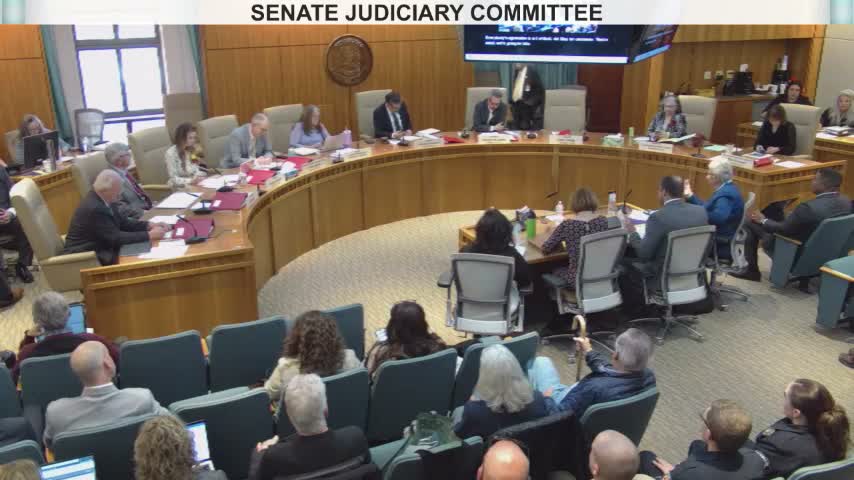
Representative Chandler, sponsor of the judiciary substitute for House Bill 99, opened the Senate Judiciary hearing by telling the committee the goal of the bill is to reduce litigation-driven pressure on the state’s physician workforce and to make New Mexico more competitive with neighboring states.
"I started looking at other states and realize that our law is much out of line," Chandler said in presenting the measure and described changes including a new occurrence definition, a pleading rule that delays punitive damages until after substantial discovery, a higher standard of proof for punitive awards, and caps that treat independent providers differently from hospitals. Chandler said an actuary had told him the bill could lower malpractice premiums and cited Colorado as one nearby example of a different approach.
Why it matters: sponsors and many business and medical groups said HB 99 is aimed at stabilizing access to care by reducing costs and legal exposure that, they contend, drive physicians out of the state. Opponents — including trial lawyers, patient advocates, and members of the Patient Compensation Fund advisory board — argued the bill would disadvantage injured patients, risk constitutional challenges, and could leave the state with unresolved funding and fairness problems.
Proponents heard: Dr. Angeline Adams, immediate past president of the New Mexico Medical Society, and Dr. Bob Underwood, the society’s current president, told the committee HB 99 is intended to preserve access to care and keep physicians practicing in New Mexico. Dr. Tiffany Lewis and the New Mexico Business Coalition said staffing shortages and insurance instability are already harming rural and specialty services.
Opponents’ concerns: Ray Vargas, Kathy Love (a PCF advisory board member), Lisa Curtis and other plaintiffs’ attorneys criticized key mechanics of the substitute. Vargas called the bill’s billed‑versus‑paid approach (often described in testimony as "build versus paid") unlawful and said it would make similarly injured plaintiffs recover very different amounts based on insurance status. Love warned there are insufficient protections in the substitute to ensure funds for "future medicals" are segregated and preserved for catastrophically injured claimants. Lisa Curtis and others said limits on punitive awards and excluding net worth or other deterrents would shield large hospital corporations from accountability.
Actuarial and fund figures: a PCF representative told the committee the most recent actuarial study (Pinnacle, 06/06/2025) showed outstanding claims of about $342 million versus a reported fund balance (on the superintendent’s report) of roughly $283 million, producing an actuarial shortfall the witness stated as approximately $34.3 million. Sponsor Chandler and multiple senators debated whether removing hospitals from the fund (the hospitals had an agreed phase‑out in prior years) would make the PCF solvent and raised concerns about volatility if large entities exit the pool.
Constitutional and procedural issues: several senators and trial‑lawyer opponents pressed that changes to pleading, to the collateral‑source rules, or to the standard of proof for punitive damages raise separation‑of‑powers and equal‑protection issues that could be struck down in court. Sid Lopez argued imposing a higher standard of proof for punitive awards solely in medical‑malpractice cases would treat similarly situated plaintiffs differently and invite legal challenge.
Amendment package and next steps: toward the end of the hearing senators introduced a set of amendments on topics that include segregation of future‑medical payments in the PCF, requiring the superintendent to adopt advisory‑board surcharge recommendations, changes to pleading and discovery procedures for punitive claims, exceptions that would leave punitive caps off for crimes or intoxication during care, proposed percentage‑of‑net‑worth measures for certain entities, and a physician autonomy provision. The chair set continuation for tomorrow at 09:00 to consider those amendments.
Closing: the committee took no final vote on HB 99; the hearing produced extensive record testimony for and against the substitute and a set of amendments the sponsor said she will consider. The committee will resume with amendment debate and further questioning in its next scheduled session.
Sources: testimony and exchanges in the Senate Judiciary hearing on House Bill 99 (sponsor presentation beginning with Representative Chandler and public testimony and senator questioning throughout the hearing).
"I started looking at other states and realize that our law is much out of line," Chandler said in presenting the measure and described changes including a new occurrence definition, a pleading rule that delays punitive damages until after substantial discovery, a higher standard of proof for punitive awards, and caps that treat independent providers differently from hospitals. Chandler said an actuary had told him the bill could lower malpractice premiums and cited Colorado as one nearby example of a different approach.
Why it matters: sponsors and many business and medical groups said HB 99 is aimed at stabilizing access to care by reducing costs and legal exposure that, they contend, drive physicians out of the state. Opponents — including trial lawyers, patient advocates, and members of the Patient Compensation Fund advisory board — argued the bill would disadvantage injured patients, risk constitutional challenges, and could leave the state with unresolved funding and fairness problems.
Proponents heard: Dr. Angeline Adams, immediate past president of the New Mexico Medical Society, and Dr. Bob Underwood, the society’s current president, told the committee HB 99 is intended to preserve access to care and keep physicians practicing in New Mexico. Dr. Tiffany Lewis and the New Mexico Business Coalition said staffing shortages and insurance instability are already harming rural and specialty services.
Opponents’ concerns: Ray Vargas, Kathy Love (a PCF advisory board member), Lisa Curtis and other plaintiffs’ attorneys criticized key mechanics of the substitute. Vargas called the bill’s billed‑versus‑paid approach (often described in testimony as "build versus paid") unlawful and said it would make similarly injured plaintiffs recover very different amounts based on insurance status. Love warned there are insufficient protections in the substitute to ensure funds for "future medicals" are segregated and preserved for catastrophically injured claimants. Lisa Curtis and others said limits on punitive awards and excluding net worth or other deterrents would shield large hospital corporations from accountability.
Actuarial and fund figures: a PCF representative told the committee the most recent actuarial study (Pinnacle, 06/06/2025) showed outstanding claims of about $342 million versus a reported fund balance (on the superintendent’s report) of roughly $283 million, producing an actuarial shortfall the witness stated as approximately $34.3 million. Sponsor Chandler and multiple senators debated whether removing hospitals from the fund (the hospitals had an agreed phase‑out in prior years) would make the PCF solvent and raised concerns about volatility if large entities exit the pool.
Constitutional and procedural issues: several senators and trial‑lawyer opponents pressed that changes to pleading, to the collateral‑source rules, or to the standard of proof for punitive damages raise separation‑of‑powers and equal‑protection issues that could be struck down in court. Sid Lopez argued imposing a higher standard of proof for punitive awards solely in medical‑malpractice cases would treat similarly situated plaintiffs differently and invite legal challenge.
Amendment package and next steps: toward the end of the hearing senators introduced a set of amendments on topics that include segregation of future‑medical payments in the PCF, requiring the superintendent to adopt advisory‑board surcharge recommendations, changes to pleading and discovery procedures for punitive claims, exceptions that would leave punitive caps off for crimes or intoxication during care, proposed percentage‑of‑net‑worth measures for certain entities, and a physician autonomy provision. The chair set continuation for tomorrow at 09:00 to consider those amendments.
Closing: the committee took no final vote on HB 99; the hearing produced extensive record testimony for and against the substitute and a set of amendments the sponsor said she will consider. The committee will resume with amendment debate and further questioning in its next scheduled session.
Sources: testimony and exchanges in the Senate Judiciary hearing on House Bill 99 (sponsor presentation beginning with Representative Chandler and public testimony and senator questioning throughout the hearing).
View the Full Meeting & All Its Details
This article offers just a summary. Unlock complete video, transcripts, and insights as a Founder Member.
✓
Watch full, unedited meeting videos
✓
Search every word spoken in unlimited transcripts
✓
AI summaries & real-time alerts (all government levels)
✓
Permanent access to expanding government content
30-day money-back guarantee
