Regents committee approves PDST for three graduate programs amid student pleas for safeguards
January 17, 2026 | University of California, Boards and Commissions, Executive, California
This article was created by AI summarizing key points discussed. AI makes mistakes, so for full details and context, please refer to the video of the full meeting. Please report any errors so we can fix them. Report an error »
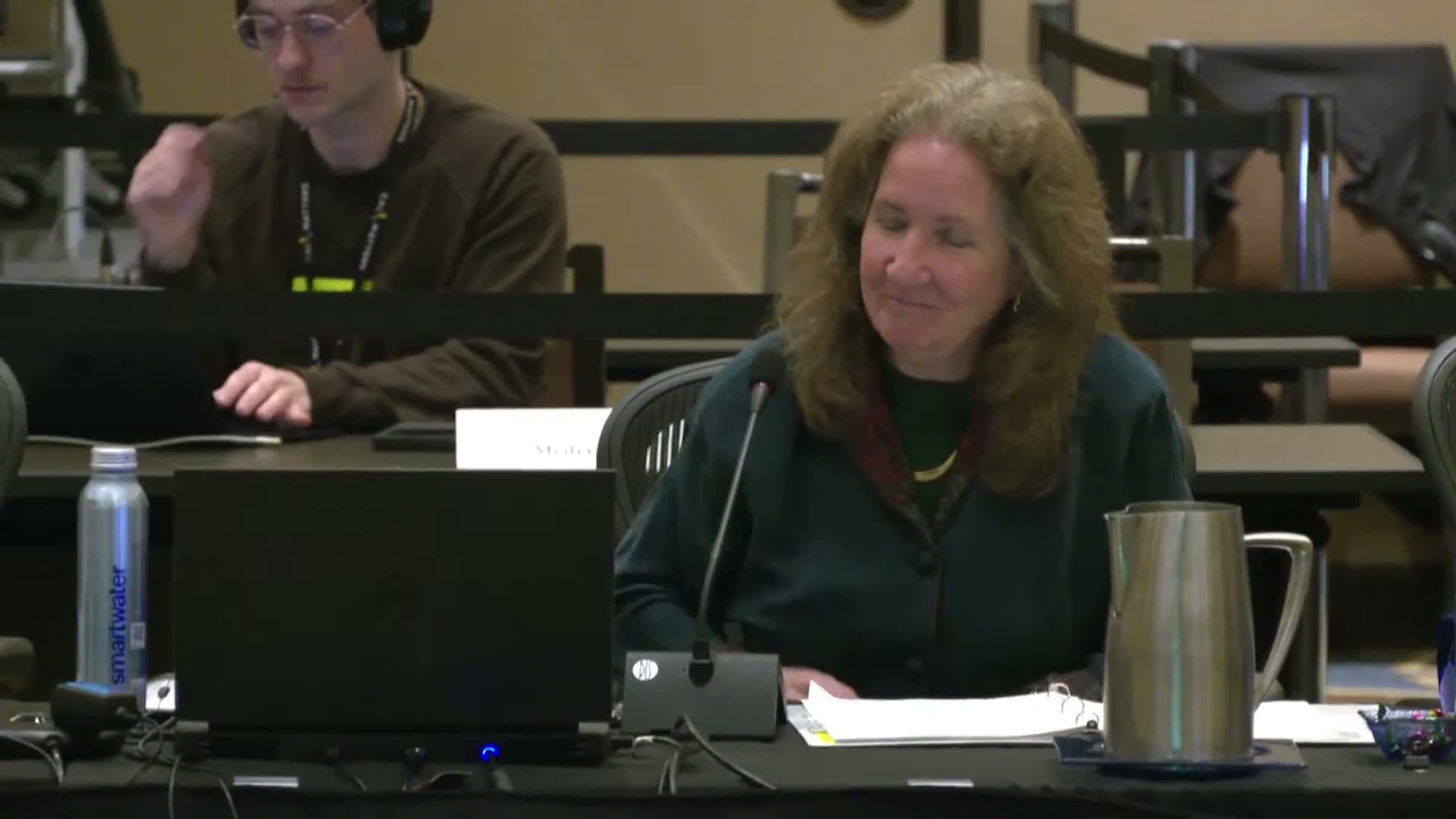
The Academic & Student Affairs committee voted to approve multi‑year professional degree supplemental tuition plans for three graduate programs, after presenters described program needs and students pressed for protections and transparency.
Tisha Saram, student observer, told the committee that while programs have legitimate needs, shifting costs to graduate students through PDST poses risks to affordability, access and equity. “Approving multiyear plans that lock in higher tuition levels places additional risk on students at a time when federal support frameworks are still evolving,” she said.
Provost Newman responded that consultation with graduate students is taken seriously and that program proposals commonly include return‑to‑aid commitments. "We do try to maximally return support to the students with the most demonstrated need," Newman said.
Program presenters gave specifics:
- UC San Diego’s new Master of Urban and Regional Planning (MERP) proposed a PDST of $7,500 with 5 percent annual increases; the program plans 15 students in year one, rising to 50 by year four, and proposed directing 40 percent of PDST revenue to need‑based aid.
- UCLA’s Design Media Arts MFA proposed PDST of $9,000 in 26‑27 with inflation‑based increases thereafter and said the fee would fund updated facilities, technical resources and preserve a low student‑to‑faculty ratio; the program moved to a three‑year curriculum and plans small cohort growth (7→9 per year).
- UCLA’s Master of Music proposed PDST starting in 26‑27 with 3 percent annual increases to support career services, conference travel and a proposed career counselor position; PDST would be offset for continuing and mid‑degree students.
Student leaders urged improved reporting: they requested holistic, cohort‑level cost analyses, faster reporting on outcomes and student debt, and net‑cost comparisons that account for return‑to‑aid. Regents and presenters agreed to strengthen transparency and reporting mechanisms; Provost Newman noted campus and system‑level reporting commitments and described PDST return‑to‑aid plans.
The committee recorded approval of Item A1 (the three PDST proposals) in a roll call; a dissenting vote was recorded during the committee roll call. The committee then forwarded the matter as its recommendation to the full board for adoption.
Tisha Saram, student observer, told the committee that while programs have legitimate needs, shifting costs to graduate students through PDST poses risks to affordability, access and equity. “Approving multiyear plans that lock in higher tuition levels places additional risk on students at a time when federal support frameworks are still evolving,” she said.
Provost Newman responded that consultation with graduate students is taken seriously and that program proposals commonly include return‑to‑aid commitments. "We do try to maximally return support to the students with the most demonstrated need," Newman said.
Program presenters gave specifics:
- UC San Diego’s new Master of Urban and Regional Planning (MERP) proposed a PDST of $7,500 with 5 percent annual increases; the program plans 15 students in year one, rising to 50 by year four, and proposed directing 40 percent of PDST revenue to need‑based aid.
- UCLA’s Design Media Arts MFA proposed PDST of $9,000 in 26‑27 with inflation‑based increases thereafter and said the fee would fund updated facilities, technical resources and preserve a low student‑to‑faculty ratio; the program moved to a three‑year curriculum and plans small cohort growth (7→9 per year).
- UCLA’s Master of Music proposed PDST starting in 26‑27 with 3 percent annual increases to support career services, conference travel and a proposed career counselor position; PDST would be offset for continuing and mid‑degree students.
Student leaders urged improved reporting: they requested holistic, cohort‑level cost analyses, faster reporting on outcomes and student debt, and net‑cost comparisons that account for return‑to‑aid. Regents and presenters agreed to strengthen transparency and reporting mechanisms; Provost Newman noted campus and system‑level reporting commitments and described PDST return‑to‑aid plans.
The committee recorded approval of Item A1 (the three PDST proposals) in a roll call; a dissenting vote was recorded during the committee roll call. The committee then forwarded the matter as its recommendation to the full board for adoption.
View the Full Meeting & All Its Details
This article offers just a summary. Unlock complete video, transcripts, and insights as a Founder Member.
✓
Watch full, unedited meeting videos
✓
Search every word spoken in unlimited transcripts
✓
AI summaries & real-time alerts (all government levels)
✓
Permanent access to expanding government content
30-day money-back guarantee
