Crown Point mayor explains how redevelopment funds are used, eyes RDC support for road work
February 16, 2026 | Crown Point City, Lake County, Indiana
This article was created by AI summarizing key points discussed. AI makes mistakes, so for full details and context, please refer to the video of the full meeting. Please report any errors so we can fix them. Report an error »
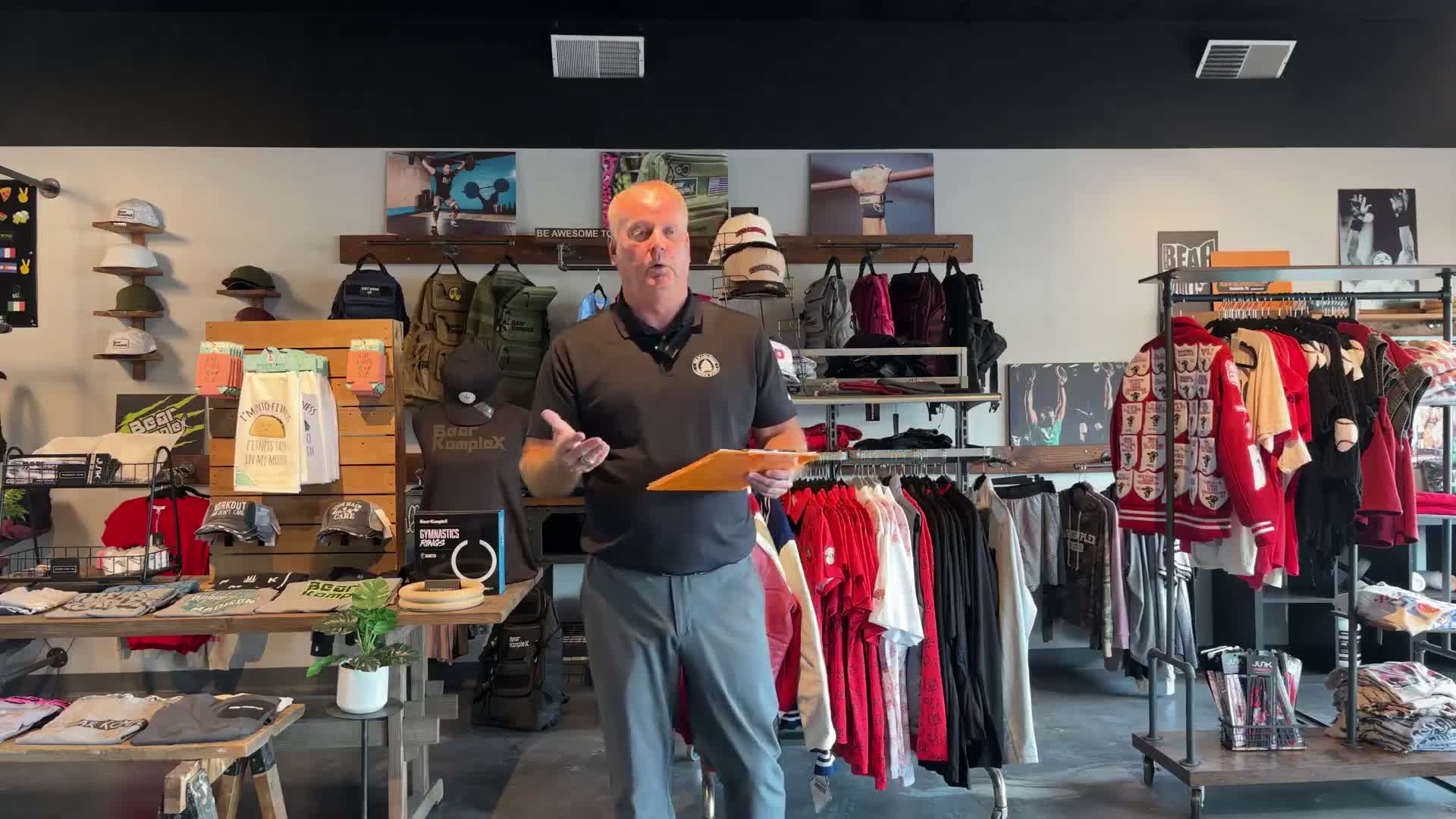
Mayor Pete on Monday explained the role and legal limits of Crown Point’s Redevelopment Commission, which he said is defined by state statute and focused on improving specified areas by reinvesting taxes collected from those zones.
"It's defined by state statute," Mayor Pete said, describing the RDC’s primary purposes as addressing urban blight, spurring economic development and increasing the local tax base through targeted infrastructure and planning. He described a commonly used downtown "facade grant" that can reimburse property owners up to $25,000 for approved rehabilitation work.
Why it matters: RDC or TIF-like funds are tied to the district that generates them, the mayor said, and may not be shifted freely across zones. The mayor noted a narrow exception: RDC funds may be used citywide to support public safety because police and fire serve the entire community.
The mayor said he will request support from the RDC this year for street repairs in RDC areas and estimated the ask at about $500,000 to $600,000. "I'll ask them for $600,000 for road improvements," he said, adding the money is one of several funding sources the city uses for infrastructure.
Context and next steps: The mayor framed RDC spending as planned and long-range, not ad hoc: major projects are typically years in planning. He invited residents to ask for more detail at future meetings and said RDC meetings are monthly; the mayor also noted the city has seven RDC areas established by the council.
Quotes from local business and staff at the meeting emphasized the downtown's vibrancy and use of small grants to support facade improvements and local merchants.
The administration did not announce a formal RDC vote Monday; the mayor said the city will present a funding request to the RDC in coming weeks.
"It's defined by state statute," Mayor Pete said, describing the RDC’s primary purposes as addressing urban blight, spurring economic development and increasing the local tax base through targeted infrastructure and planning. He described a commonly used downtown "facade grant" that can reimburse property owners up to $25,000 for approved rehabilitation work.
Why it matters: RDC or TIF-like funds are tied to the district that generates them, the mayor said, and may not be shifted freely across zones. The mayor noted a narrow exception: RDC funds may be used citywide to support public safety because police and fire serve the entire community.
The mayor said he will request support from the RDC this year for street repairs in RDC areas and estimated the ask at about $500,000 to $600,000. "I'll ask them for $600,000 for road improvements," he said, adding the money is one of several funding sources the city uses for infrastructure.
Context and next steps: The mayor framed RDC spending as planned and long-range, not ad hoc: major projects are typically years in planning. He invited residents to ask for more detail at future meetings and said RDC meetings are monthly; the mayor also noted the city has seven RDC areas established by the council.
Quotes from local business and staff at the meeting emphasized the downtown's vibrancy and use of small grants to support facade improvements and local merchants.
The administration did not announce a formal RDC vote Monday; the mayor said the city will present a funding request to the RDC in coming weeks.
View the Full Meeting & All Its Details
This article offers just a summary. Unlock complete video, transcripts, and insights as a Founder Member.
✓
Watch full, unedited meeting videos
✓
Search every word spoken in unlimited transcripts
✓
AI summaries & real-time alerts (all government levels)
✓
Permanent access to expanding government content
30-day money-back guarantee
