U.S. secretary defends visa removals and urges diplomacy on Iran; judges and reporters pressed him on enforcement limits
February 16, 2026 | US Department of State
This article was created by AI summarizing key points discussed. AI makes mistakes, so for full details and context, please refer to the video of the full meeting. Please report any errors so we can fix them. Report an error »
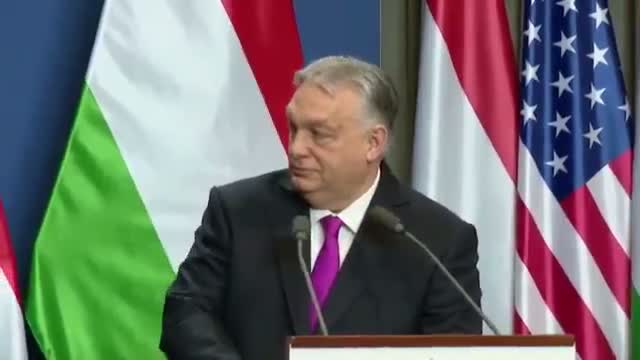
U.S. Secretary of State Michael Rubio used a Budapest press conference to defend the executive branch's authority over visas, say the U.S. seeks diplomatic solutions with Iran, and decline to negotiate detailed terms on the record.
Answering a Reuters question about a U.S. immigration judge's ruling in a case involving a student who wrote an op‑ed on Gaza, Rubio said visa holders have no constitutional right to a U.S. visa and that the State Department may revoke visas when the individual's presence "poses a threat to our foreign policy, to our national security." He stated plainly: "A visa no one's entitled to a visa. There is no constitutional right to a visa. ... If you... undertake activities that are against the national interest... we will take away your visa." Rubio added that decisions to remove a person from the United States after visa revocation involve other agencies and legal processes.
On negotiations with Iran, Rubio said Washington is hopeful for a diplomatic outcome but cautioned that talks are difficult because, in his words, Iran is "governed and its decisions are governed by Shia clerics" and that negotiators would "have meetings" with no public pre-commitment to specific concessions. He declined to negotiate on the stage or prejudge talks, saying U.S. teams were on their way to discussions.
Rubio framed U.S. visa removals as an executive responsibility and said judges do not direct foreign policy, noting separation of powers while acknowledging the judiciary may review process issues. He also reiterated that the U.S. prefers negotiated solutions and would consider deals that address U.S. concerns, without stating thresholds for acceptance.
The remarks clarified administration posture but did not announce a policy change or detail how visa revocation decisions would be operationalized in individual cases. Reporters left unresolved whether particular past visa revocations or deportation threats complied with the specific processes Rubio described; Rubio emphasized executive discretion and the need for interagency coordination in any removal.
Answering a Reuters question about a U.S. immigration judge's ruling in a case involving a student who wrote an op‑ed on Gaza, Rubio said visa holders have no constitutional right to a U.S. visa and that the State Department may revoke visas when the individual's presence "poses a threat to our foreign policy, to our national security." He stated plainly: "A visa no one's entitled to a visa. There is no constitutional right to a visa. ... If you... undertake activities that are against the national interest... we will take away your visa." Rubio added that decisions to remove a person from the United States after visa revocation involve other agencies and legal processes.
On negotiations with Iran, Rubio said Washington is hopeful for a diplomatic outcome but cautioned that talks are difficult because, in his words, Iran is "governed and its decisions are governed by Shia clerics" and that negotiators would "have meetings" with no public pre-commitment to specific concessions. He declined to negotiate on the stage or prejudge talks, saying U.S. teams were on their way to discussions.
Rubio framed U.S. visa removals as an executive responsibility and said judges do not direct foreign policy, noting separation of powers while acknowledging the judiciary may review process issues. He also reiterated that the U.S. prefers negotiated solutions and would consider deals that address U.S. concerns, without stating thresholds for acceptance.
The remarks clarified administration posture but did not announce a policy change or detail how visa revocation decisions would be operationalized in individual cases. Reporters left unresolved whether particular past visa revocations or deportation threats complied with the specific processes Rubio described; Rubio emphasized executive discretion and the need for interagency coordination in any removal.
Don't Miss a Word: See the Full Meeting!
Go beyond summaries. Unlock every video, transcript, and key insight with a Founder Membership.
✓
Get instant access to full meeting videos
✓
Search and clip any phrase from complete transcripts
✓
Receive AI-powered summaries & custom alerts
✓
Enjoy lifetime, unrestricted access to government data
30-day money-back guarantee
