Administration tells committee it cannot support current homelessness redesign bill as written
February 14, 2026 | Human Services, HOUSE OF REPRESENTATIVES, Committees, Legislative , Vermont
This article was created by AI summarizing key points discussed. AI makes mistakes, so for full details and context, please refer to the video of the full meeting. Please report any errors so we can fix them. Report an error »
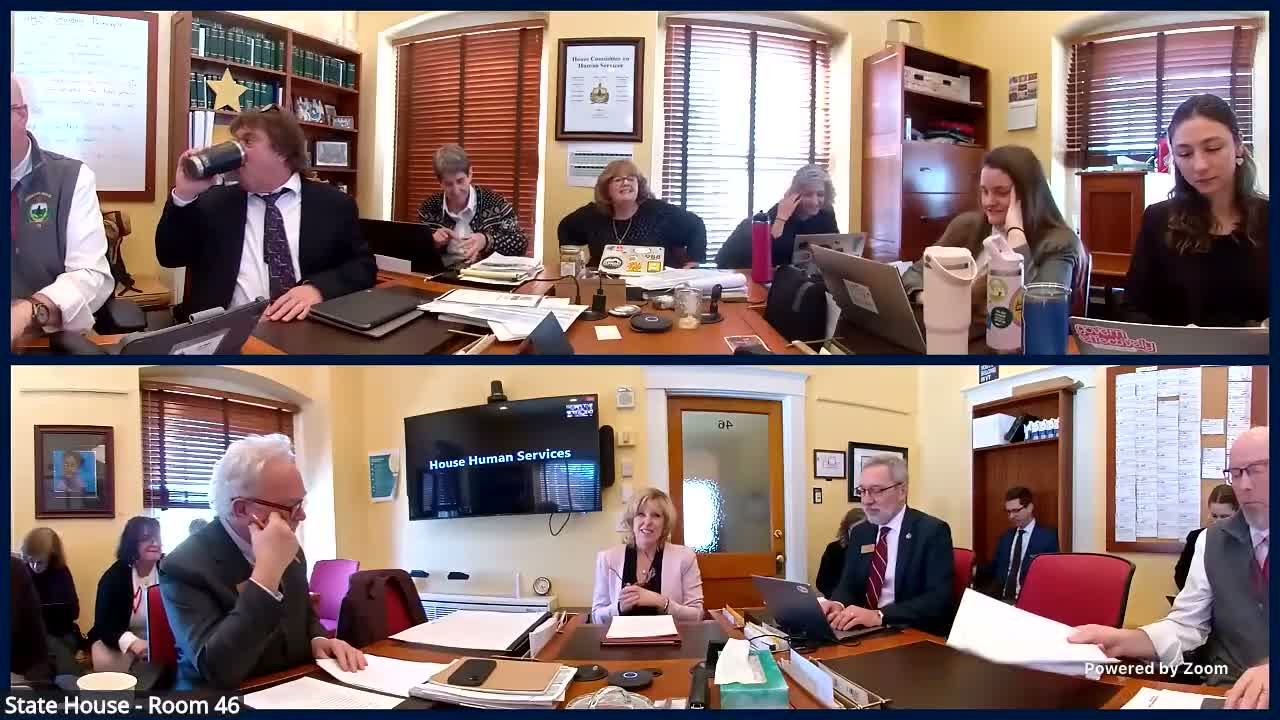
Interim Commissioner Sandy Hoffman of the Department for Children and Families told a legislative committee Friday that the administration "does not support the bill as currently drafted," arguing the committee draft diverges from the Agency of Human Services' partner-informed plan and introduces operational and fiscal risks.
The testimony, given during a committee briefing on the homelessness committee bill, focused on three central objections from the administration: the draft does not guarantee reductions in hotel and motel use, it broadly expands eligibility without defined limits or appropriations, and it imposes ambitious operational deadlines — including a one-year rate-setting timeline — that the department says could destabilize providers and services.
The committee chair, who opened the meeting and led much of the questioning, said the bill is not finished and that the draft reflects many elements from the governor's proposal; the chair added the intent is not to add funding beyond amounts included in the governor's budget. "The bill is not complete," the chair said, and said budget and implementation details were planned for later stages of markup.
Hoffman outlined specific barriers: the bill "does not overall reduce hotel and motel use," it "broadly expands eligibility, increasing demand without defined limits," and it contains "no appropriations or staffing identified" to support the structural changes the draft envisions. She warned the language allows increased demand without caps or rate guardrails and leaves the department with insufficient ability to triage populations or design services for people with complex health and social needs.
Committee members pressed for clarification on several points. One member raised the $11,000,000 carry-forward funds and asked whether those dollars were intended for shelter development; the chair said Megan Smeaton had told the committee those funds were used "essentially to develop new shelters" and noted the funds were placed in the general appropriation rather than the HOPWA line item, which drew committee frustration.
Members also debated the bill's disability definition and how the proposal would treat engagement with caseworkers. The chair said the current draft follows language from a May proposal except for a new reference to substance use disorder; members asked for clearer definitions and accommodations, noting engagement may look different for people with disabilities and that the bill needs precise operational definitions to avoid uneven application by caseworkers.
One committee member urged the use of the state's Homeless Management Information System (HMIS) as a way to standardize prioritization and reduce repetitive appeals. Supporters of that approach said HMIS could perform triage and reduce inconsistent decisions across caseworkers, which the committee heard had created many administrative appeals in the past.
Throughout the session the administration expressed willingness to continue planning with the committee but said it could not endorse the draft until the bill included explicit budget caps, staffing and funding plans, clearer service definitions, and a more realistic implementation timeline. No formal vote was taken; the chair called a brief break and directed staff to continue sharing updated drafts and communications through the agreed channels.
The committee will resume consideration of the committee bill after receiving clarified language and fiscal information and after continued discussions with AHS and DCF staff.
The testimony, given during a committee briefing on the homelessness committee bill, focused on three central objections from the administration: the draft does not guarantee reductions in hotel and motel use, it broadly expands eligibility without defined limits or appropriations, and it imposes ambitious operational deadlines — including a one-year rate-setting timeline — that the department says could destabilize providers and services.
The committee chair, who opened the meeting and led much of the questioning, said the bill is not finished and that the draft reflects many elements from the governor's proposal; the chair added the intent is not to add funding beyond amounts included in the governor's budget. "The bill is not complete," the chair said, and said budget and implementation details were planned for later stages of markup.
Hoffman outlined specific barriers: the bill "does not overall reduce hotel and motel use," it "broadly expands eligibility, increasing demand without defined limits," and it contains "no appropriations or staffing identified" to support the structural changes the draft envisions. She warned the language allows increased demand without caps or rate guardrails and leaves the department with insufficient ability to triage populations or design services for people with complex health and social needs.
Committee members pressed for clarification on several points. One member raised the $11,000,000 carry-forward funds and asked whether those dollars were intended for shelter development; the chair said Megan Smeaton had told the committee those funds were used "essentially to develop new shelters" and noted the funds were placed in the general appropriation rather than the HOPWA line item, which drew committee frustration.
Members also debated the bill's disability definition and how the proposal would treat engagement with caseworkers. The chair said the current draft follows language from a May proposal except for a new reference to substance use disorder; members asked for clearer definitions and accommodations, noting engagement may look different for people with disabilities and that the bill needs precise operational definitions to avoid uneven application by caseworkers.
One committee member urged the use of the state's Homeless Management Information System (HMIS) as a way to standardize prioritization and reduce repetitive appeals. Supporters of that approach said HMIS could perform triage and reduce inconsistent decisions across caseworkers, which the committee heard had created many administrative appeals in the past.
Throughout the session the administration expressed willingness to continue planning with the committee but said it could not endorse the draft until the bill included explicit budget caps, staffing and funding plans, clearer service definitions, and a more realistic implementation timeline. No formal vote was taken; the chair called a brief break and directed staff to continue sharing updated drafts and communications through the agreed channels.
The committee will resume consideration of the committee bill after receiving clarified language and fiscal information and after continued discussions with AHS and DCF staff.
Don't Miss a Word: See the Full Meeting!
Go beyond summaries. Unlock every video, transcript, and key insight with a Founder Membership.
✓
Get instant access to full meeting videos
✓
Search and clip any phrase from complete transcripts
✓
Receive AI-powered summaries & custom alerts
✓
Enjoy lifetime, unrestricted access to government data
30-day money-back guarantee
