Rep. Dan Noyes urges state to let towns use more traffic-calming tools in village centers
February 14, 2026 | Transportation, HOUSE OF REPRESENTATIVES, Committees, Legislative , Vermont
This article was created by AI summarizing key points discussed. AI makes mistakes, so for full details and context, please refer to the video of the full meeting. Please report any errors so we can fix them. Report an error »
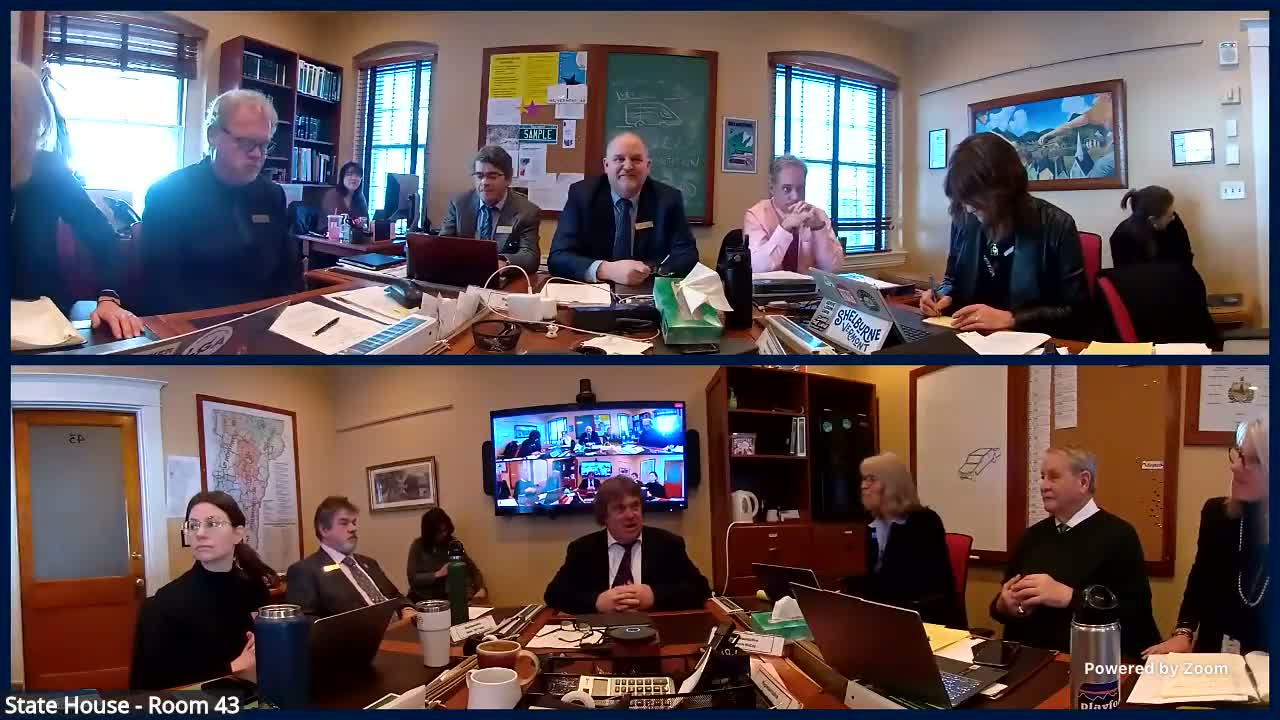
Representative Dan Noyes introduced a short-form bill to the House Transportation Committee that would give communities additional authority and tools to slow traffic in village centers and downtowns.
"We could use a little more ability to look at traffic calming in our village centers and downtowns," Noyes said, describing constituent requests from Johnson and other towns that face state highways through compact centers. He framed the bill as a local-control measure to protect walking routes and older residents after changes such as moving a library or adding housing in a village center.
Members questioned statutory limits and enforcement: some asked whether towns can post 25 mph and how ownership of a state highway affects local authority. Committee members and presenters noted that where a town does not own the state highway, the state typically controls posted speeds and that traffic studies and technical assistance from regional planning commissions are often required to change limits.
Discussion covered practical tools: flashing radar feedback signs, variable speeds for specific times of day (for school periods), and grants for infrastructure that reinforces lower speeds. Representatives said many RPCs and some transit providers already collaborate on route consolidation and driver incentives and urged the committee to work out details such as statutory minimums and whether a lower bound should be set by the bill.
Noyes asked the committee to consider the proposal further; committee members expressed general support for exploring the idea and directed staff to gather more technical detail and testimony rather than taking immediate action.
The introduction did not produce a vote; the bill will require follow-up testimony and drafting to set allowable minimum speeds, enforcement details and funding mechanisms.
"We could use a little more ability to look at traffic calming in our village centers and downtowns," Noyes said, describing constituent requests from Johnson and other towns that face state highways through compact centers. He framed the bill as a local-control measure to protect walking routes and older residents after changes such as moving a library or adding housing in a village center.
Members questioned statutory limits and enforcement: some asked whether towns can post 25 mph and how ownership of a state highway affects local authority. Committee members and presenters noted that where a town does not own the state highway, the state typically controls posted speeds and that traffic studies and technical assistance from regional planning commissions are often required to change limits.
Discussion covered practical tools: flashing radar feedback signs, variable speeds for specific times of day (for school periods), and grants for infrastructure that reinforces lower speeds. Representatives said many RPCs and some transit providers already collaborate on route consolidation and driver incentives and urged the committee to work out details such as statutory minimums and whether a lower bound should be set by the bill.
Noyes asked the committee to consider the proposal further; committee members expressed general support for exploring the idea and directed staff to gather more technical detail and testimony rather than taking immediate action.
The introduction did not produce a vote; the bill will require follow-up testimony and drafting to set allowable minimum speeds, enforcement details and funding mechanisms.
View the Full Meeting & All Its Details
This article offers just a summary. Unlock complete video, transcripts, and insights as a Founder Member.
✓
Watch full, unedited meeting videos
✓
Search every word spoken in unlimited transcripts
✓
AI summaries & real-time alerts (all government levels)
✓
Permanent access to expanding government content
30-day money-back guarantee
