Ithaca planning committee reviews 602 West Buffalo Street design; split over open parking garage
February 14, 2026 | Ithaca City, Tompkins County, New York
This article was created by AI summarizing key points discussed. AI makes mistakes, so for full details and context, please refer to the video of the full meeting. Please report any errors so we can fix them. Report an error »
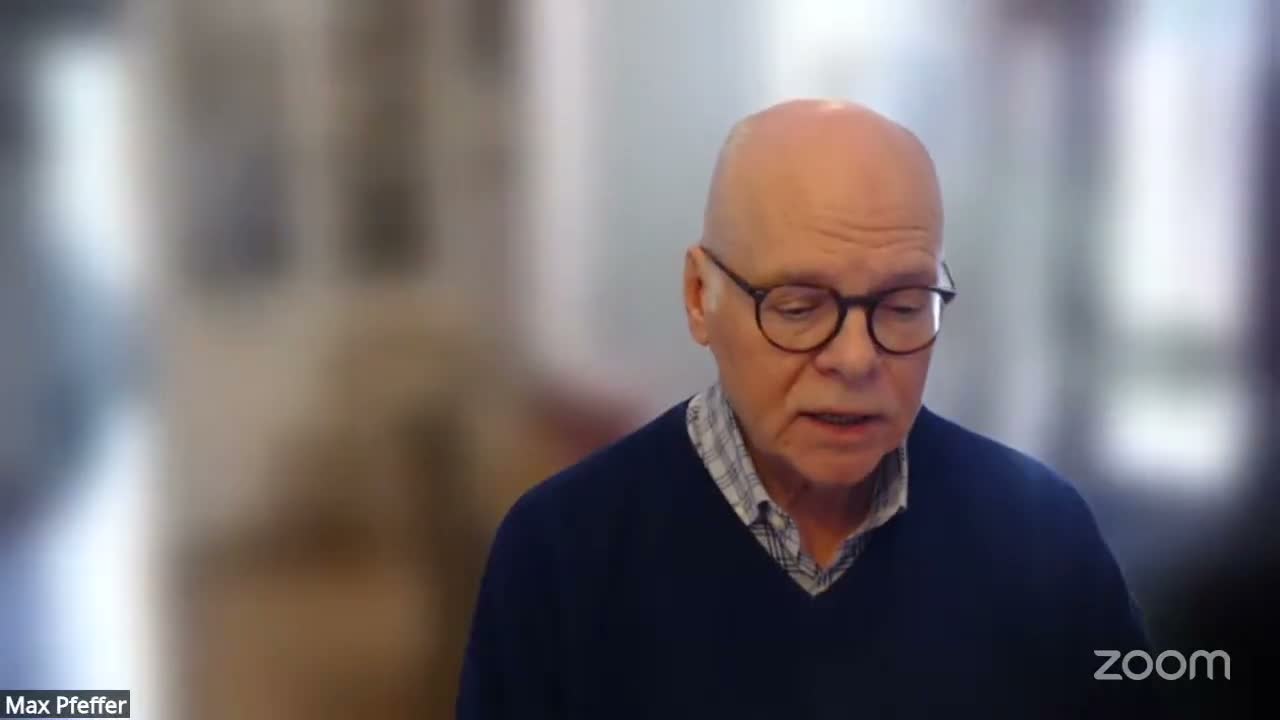
The Ithaca City Planning & Development Board Project Review Committee reviewed updated designs for 602 West Buffalo Street on Feb. 13, hearing from the applicant team and staff about materials, signage and landscape options and flagging the open parking garage as the central point of contention.
Chair Max Pfeffer opened the meeting and asked the applicant to present revisions intended to ready the project for preliminary and, potentially, final site-plan approval. Project representatives said they refined renderings to match neighborhood color palettes, will provide physical material samples for staff review, intend to use fiber‑cement panels and an Artisan Hardie V‑groove product on upper facades, and plan split‑face CMU at the base with lighter alternatives for comparison. The team reported a signage calculation of about 10 square feet and said DOT had reviewed and approved their construction and traffic markings.
The presentation also laid out two landscape approaches: one with plant beds and intermittent seating and another that removes narrow front seating in favor of continuous planting between the secondary retail door and the recessed entry. The applicant cautioned that tree islands adjacent to heavy snow and salt may struggle if planted too tightly and proposed rubberized tree surrounds and options for river rock for drainage at the parking edge.
The meeting turned into a substantive exchange when board members raised safety, material and maintenance questions. "I absolutely feel like this garage should not be open but should be fully enclosed," said board member Andy Rollman, pressing for a design that screens the Buffalo Street elevation and a lighting plan demonstrating nighttime visibility.
Applicant representatives pushed back that DOT and city engineers had advised an open garage to maximize sight lines for pedestrians and vehicles. "We're in a flood plain," one project representative said, arguing that fully enclosing the garage would materially raise construction costs and threaten the financial viability of the affordable housing proposal. The team asked the board to consider precedents of successful open garages in Ithaca and said they would bring case studies and a lighting/photometric plan to the full board.
Board member Peggy Tully supported removing tight seating on Meadow Street, urged the team to consult the city forester about tree‑pit details and asked for a section and elevation to clarify how the proposed fence and river rock will function visually and operationally. Staff reminded the committee that final site‑plan approval could be delayed pending county/municipal review and that an amended submission might be treated as preliminary if the county response does not arrive in time.
The committee agreed to continue the debate at the full Planning Board meeting and asked the applicants to provide additional materials — including the photometric lighting study, fence section/elevation, specific plant lists, and precedents showing how open garages have worked elsewhere — to make the case for either screening or enclosure.
Next procedural steps: staff and the applicant will supply the requested materials ahead of the full board meeting so members can weigh nighttime visibility, public safety implications and cost trade‑offs before any formal approval.
Chair Max Pfeffer opened the meeting and asked the applicant to present revisions intended to ready the project for preliminary and, potentially, final site-plan approval. Project representatives said they refined renderings to match neighborhood color palettes, will provide physical material samples for staff review, intend to use fiber‑cement panels and an Artisan Hardie V‑groove product on upper facades, and plan split‑face CMU at the base with lighter alternatives for comparison. The team reported a signage calculation of about 10 square feet and said DOT had reviewed and approved their construction and traffic markings.
The presentation also laid out two landscape approaches: one with plant beds and intermittent seating and another that removes narrow front seating in favor of continuous planting between the secondary retail door and the recessed entry. The applicant cautioned that tree islands adjacent to heavy snow and salt may struggle if planted too tightly and proposed rubberized tree surrounds and options for river rock for drainage at the parking edge.
The meeting turned into a substantive exchange when board members raised safety, material and maintenance questions. "I absolutely feel like this garage should not be open but should be fully enclosed," said board member Andy Rollman, pressing for a design that screens the Buffalo Street elevation and a lighting plan demonstrating nighttime visibility.
Applicant representatives pushed back that DOT and city engineers had advised an open garage to maximize sight lines for pedestrians and vehicles. "We're in a flood plain," one project representative said, arguing that fully enclosing the garage would materially raise construction costs and threaten the financial viability of the affordable housing proposal. The team asked the board to consider precedents of successful open garages in Ithaca and said they would bring case studies and a lighting/photometric plan to the full board.
Board member Peggy Tully supported removing tight seating on Meadow Street, urged the team to consult the city forester about tree‑pit details and asked for a section and elevation to clarify how the proposed fence and river rock will function visually and operationally. Staff reminded the committee that final site‑plan approval could be delayed pending county/municipal review and that an amended submission might be treated as preliminary if the county response does not arrive in time.
The committee agreed to continue the debate at the full Planning Board meeting and asked the applicants to provide additional materials — including the photometric lighting study, fence section/elevation, specific plant lists, and precedents showing how open garages have worked elsewhere — to make the case for either screening or enclosure.
Next procedural steps: staff and the applicant will supply the requested materials ahead of the full board meeting so members can weigh nighttime visibility, public safety implications and cost trade‑offs before any formal approval.
View the Full Meeting & All Its Details
This article offers just a summary. Unlock complete video, transcripts, and insights as a Founder Member.
✓
Watch full, unedited meeting videos
✓
Search every word spoken in unlimited transcripts
✓
AI summaries & real-time alerts (all government levels)
✓
Permanent access to expanding government content
30-day money-back guarantee
