Slovakia presses for alternatives as leaders dispute Ukraine strategy and energy policy
February 15, 2026 | US Department of State
This article was created by AI summarizing key points discussed. AI makes mistakes, so for full details and context, please refer to the video of the full meeting. Please report any errors so we can fix them. Report an error »
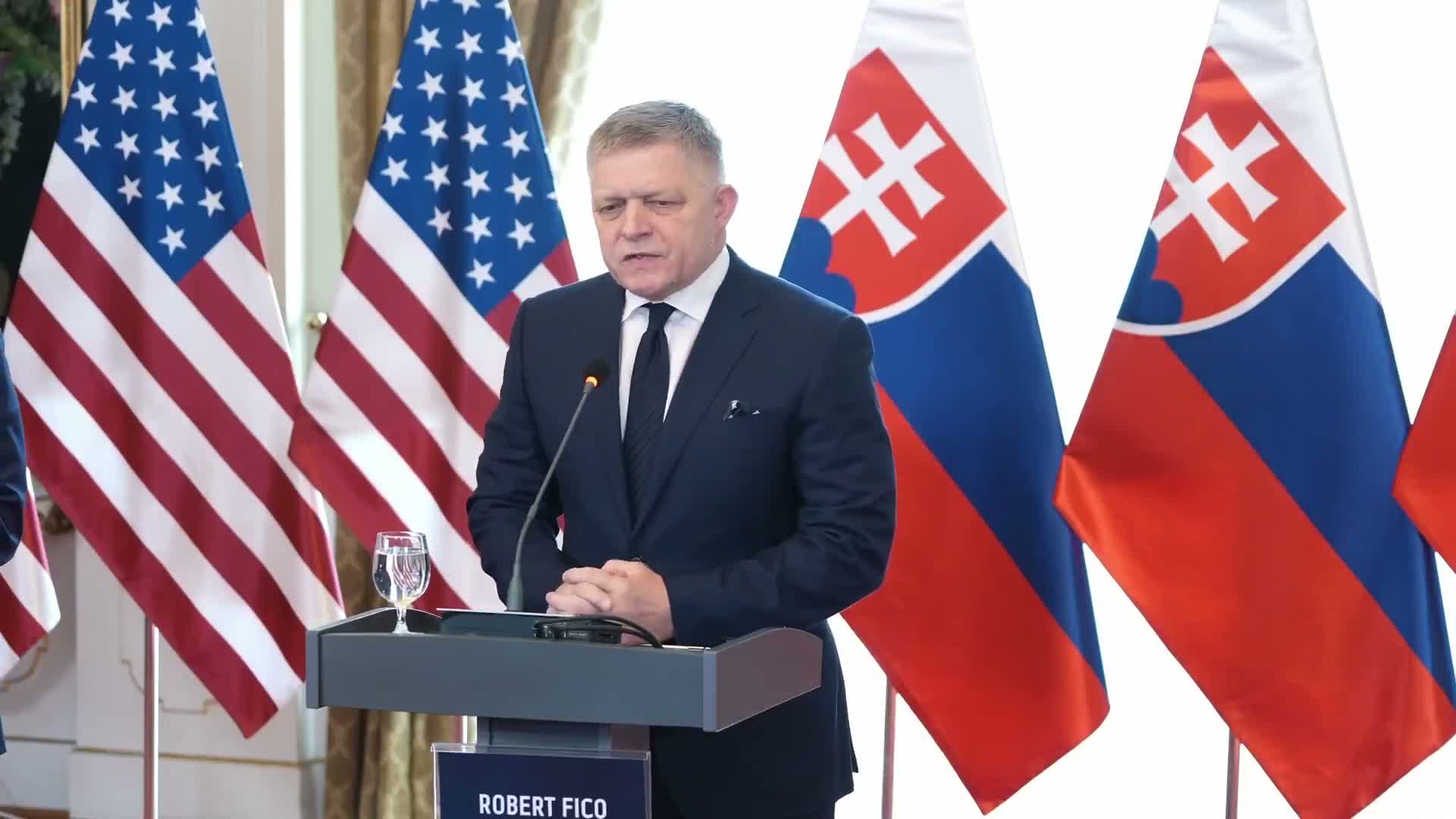
Prime Minister Robert Fizzo used the Bratislava press conference to underline Slovakia’s independent stance on the war in Ukraine and to press concerns about European energy policy.
Fizzo said Slovakia "has its unique and unrepeatable positions" on the conflict and described the lack of a short-term peace solution. He offered Slovakia’s capacity to help in talks because the country "understands the language in Ukraine and Russian Federation" and has geographic and intelligence advantages.
On energy, Fizzo warned that the EU initiative RepowerEU will halt east‑to‑west Russian gas transit beginning on Nov. 1, 2027, and said that decision could create "great trouble" for Slovakia because it lacks LNG terminals and the pipelines historically generated transit revenue. He stated transit fees of about €500 million per year from flows that previously crossed Slovakia and argued that energy supplies have become tools of political pressure between states in the region.
Responding to questions about the Druzhba (transcript: "Drusheba") pipeline and recent damage, Fizzo said repairs were reported but argued that pipeline ownership and control have become instruments of political blackmail. He noted that the Slovak refinery is owned by the Hungarian company MOL and said cross-border refinery and supply arrangements complicate Slovakia's options.
Rubio acknowledged the gravity of Ukraine's situation and said the United States seeks a negotiated end to the war while stressing cooperation among allies. The press exchange made clear that Slovakia’s foreign-policy approach diverges in places from some EU partners, particularly on tactics and the balance between sanctions and peace initiatives.
The leaders did not announce changes to EU policy or concrete new energy deliveries at the press conference; next steps mentioned include diplomatic consultations with EU partners and further bilateral talks with the United States.
Fizzo said Slovakia "has its unique and unrepeatable positions" on the conflict and described the lack of a short-term peace solution. He offered Slovakia’s capacity to help in talks because the country "understands the language in Ukraine and Russian Federation" and has geographic and intelligence advantages.
On energy, Fizzo warned that the EU initiative RepowerEU will halt east‑to‑west Russian gas transit beginning on Nov. 1, 2027, and said that decision could create "great trouble" for Slovakia because it lacks LNG terminals and the pipelines historically generated transit revenue. He stated transit fees of about €500 million per year from flows that previously crossed Slovakia and argued that energy supplies have become tools of political pressure between states in the region.
Responding to questions about the Druzhba (transcript: "Drusheba") pipeline and recent damage, Fizzo said repairs were reported but argued that pipeline ownership and control have become instruments of political blackmail. He noted that the Slovak refinery is owned by the Hungarian company MOL and said cross-border refinery and supply arrangements complicate Slovakia's options.
Rubio acknowledged the gravity of Ukraine's situation and said the United States seeks a negotiated end to the war while stressing cooperation among allies. The press exchange made clear that Slovakia’s foreign-policy approach diverges in places from some EU partners, particularly on tactics and the balance between sanctions and peace initiatives.
The leaders did not announce changes to EU policy or concrete new energy deliveries at the press conference; next steps mentioned include diplomatic consultations with EU partners and further bilateral talks with the United States.
Don't Miss a Word: See the Full Meeting!
Go beyond summaries. Unlock every video, transcript, and key insight with a Founder Membership.
✓
Get instant access to full meeting videos
✓
Search and clip any phrase from complete transcripts
✓
Receive AI-powered summaries & custom alerts
✓
Enjoy lifetime, unrestricted access to government data
30-day money-back guarantee
