Rubio says U.S. engaged with Syria and Kurdish leaders to avert ISIS prisoner crisis; declines to discuss Greenland
February 15, 2026 | US Department of State
This article was created by AI summarizing key points discussed. AI makes mistakes, so for full details and context, please refer to the video of the full meeting. Please report any errors so we can fix them. Report an error »
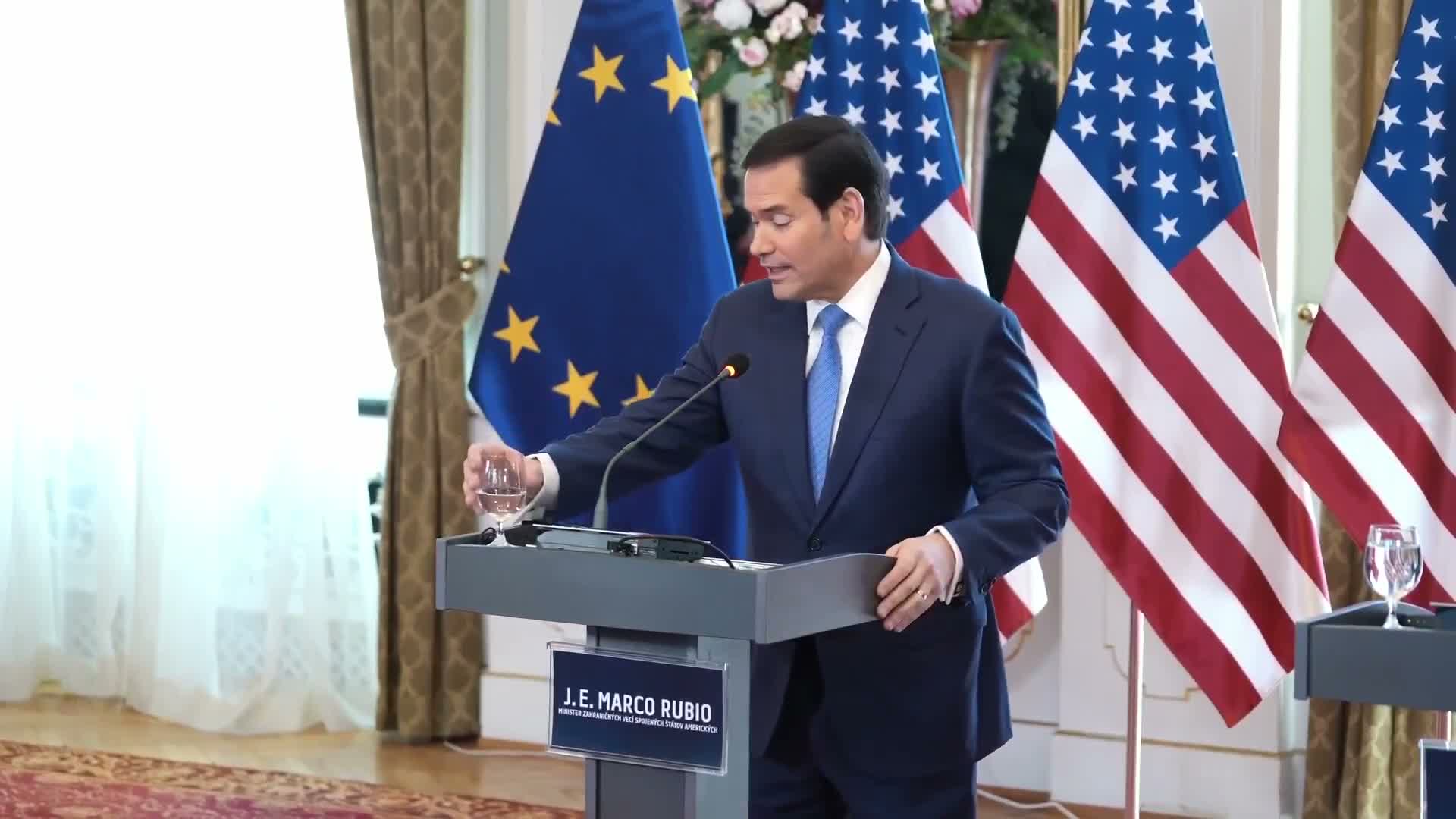
Secretary of State Marco Rubio told reporters the United States had engaged directly with Syrian and Kurdish representatives to reduce immediate security risks in northeast Syria.
Rubio said U.S. officials met with the Syrian foreign minister and Kurdish leaders and described a "historic meeting" in which the parties agreed to stop fighting in a contested area to allow the transfer of thousands of ISIS prisoners into Iraq, reducing the risk of mass jailbreaks. "When this situation erupted in the Northeast of Syria... Shara... said, stop the fighting, so that we can move the ISIS prisoners that are there," Rubio said, crediting that pause with preventing a potential security catastrophe.
Rubio declined to discuss reports on Greenland, saying the administration had a process and ongoing engagement with Denmark and Greenland. On questions about whether the Trump administration would consult Congress before a military attack on Iran, Rubio said the administration would comply with U.S. law where required and that "right now, we're not talking about any of that." He repeated a preference for diplomacy and described current postures as focused on defending U.S. forces in the region.
Rubio also addressed a question about why the United States did not join five European countries in a joint statement about Alexei Navalny, saying the U.S. was "aware of the report" and that the report was troubling but that the coordinated statement was the other countries' effort.
Rubio said implementation remains the key challenge for agreements reached in those talks and that the U.S. is working with members of Congress and briefing them on progress, including recent congressional briefings on Syria strategy.
Rubio said U.S. officials met with the Syrian foreign minister and Kurdish leaders and described a "historic meeting" in which the parties agreed to stop fighting in a contested area to allow the transfer of thousands of ISIS prisoners into Iraq, reducing the risk of mass jailbreaks. "When this situation erupted in the Northeast of Syria... Shara... said, stop the fighting, so that we can move the ISIS prisoners that are there," Rubio said, crediting that pause with preventing a potential security catastrophe.
Rubio declined to discuss reports on Greenland, saying the administration had a process and ongoing engagement with Denmark and Greenland. On questions about whether the Trump administration would consult Congress before a military attack on Iran, Rubio said the administration would comply with U.S. law where required and that "right now, we're not talking about any of that." He repeated a preference for diplomacy and described current postures as focused on defending U.S. forces in the region.
Rubio also addressed a question about why the United States did not join five European countries in a joint statement about Alexei Navalny, saying the U.S. was "aware of the report" and that the report was troubling but that the coordinated statement was the other countries' effort.
Rubio said implementation remains the key challenge for agreements reached in those talks and that the U.S. is working with members of Congress and briefing them on progress, including recent congressional briefings on Syria strategy.
View the Full Meeting & All Its Details
This article offers just a summary. Unlock complete video, transcripts, and insights as a Founder Member.
✓
Watch full, unedited meeting videos
✓
Search every word spoken in unlimited transcripts
✓
AI summaries & real-time alerts (all government levels)
✓
Permanent access to expanding government content
30-day money-back guarantee
