Committee advances bill to require statewide standards for explicit library materials after heated testimony
February 14, 2026 | Judiciary Committee, House of Representative, Committees, Legislative, Wyoming
This article was created by AI summarizing key points discussed. AI makes mistakes, so for full details and context, please refer to the video of the full meeting. Please report any errors so we can fix them. Report an error »
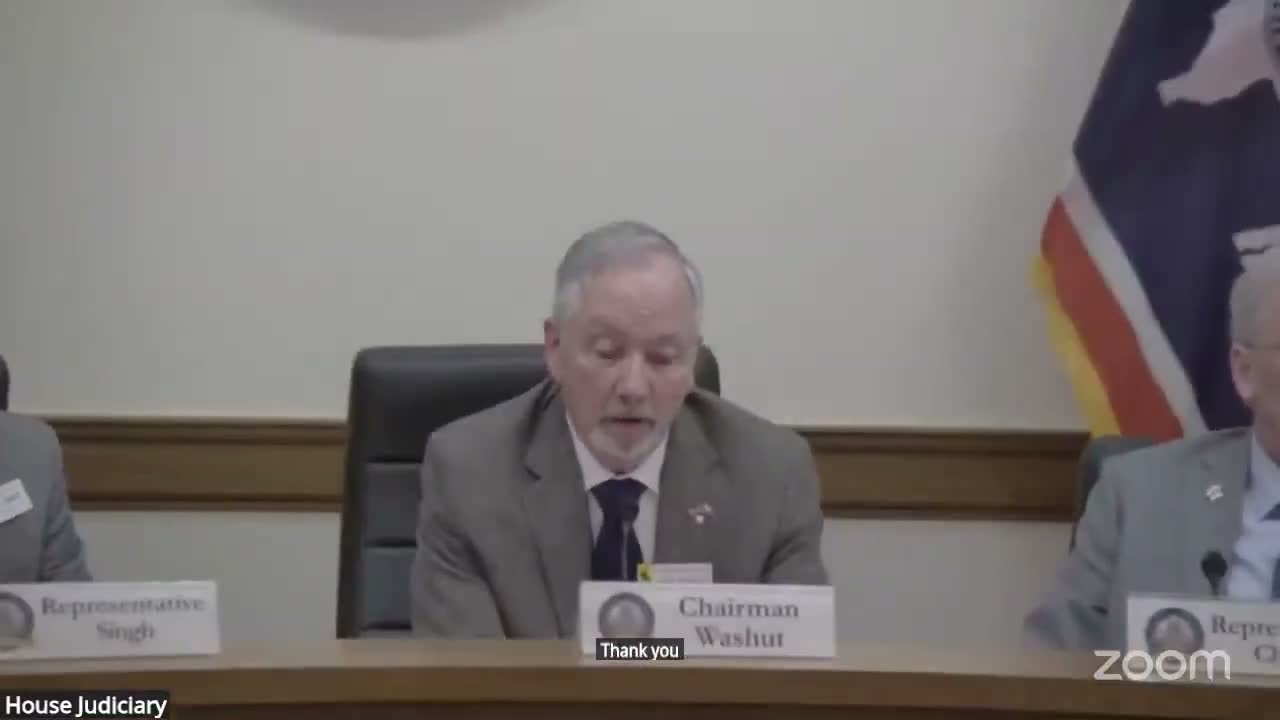
Chair introduced House Bill 10, a joint committee bill that would establish statewide standards for handling explicitly described materials in school and county public libraries and create a challenge/reconsideration process. The chair said the bill had been amended in interim work, removed earlier proposed civil penalties, and targets narrowly defined "graphic" descriptions rather than all books that reference sexual content.
Supporters testified that the bill provides consistent definitions and gives parents greater transparency. Patricia McCoy (Moms for Liberty) said the measure "establishes clear statewide standards" and urged passage. Deacon Michael Lehman (Catholic Diocese of Cheyenne) also supported the bill after reviewing library content.
A long line of librarians, directors and civil‑liberties advocates opposed the bill. Christine Bridal, president of the Wyoming Library Association, said the legislation "serves a single political narrative" and warned it would chill librarians and amount to censorship. Sublette County Library assistant director Judy Boyce cited First Amendment case law (including the Miller obscenity test and lower‑court decisions) and argued moving or restricting constitutionally protected materials invites litigation. A high‑school student, Dylan Power, said the bill would conflate literary depictions of adolescent experience with pornographic material and could harm young readers seeking help and representation.
During committee consideration, Representative Chester proposed removing language that defined "children's section" to include areas that "provide materials aimed toward persons younger than 18," warning the definition could create an unintended total ban. Representative Bratton offered an alternative amendment to insert the word "primarily" in two places to allow adult sections to exist; that amendment passed after debate and members indicated they would consult LSO counsel for cleanup.
On final roll call the committee recorded 6 ayes, 1 no and 2 excused; House Bill 10 was advanced to the House floor. Sponsors said local implementation details and any needed drafting fixes could be addressed before final floor action.
What happens next: House Bill 10 goes to the full House for consideration. Given the constitutional and litigation concerns raised publicly, legal review and possible floor amendments are likely.
Supporters testified that the bill provides consistent definitions and gives parents greater transparency. Patricia McCoy (Moms for Liberty) said the measure "establishes clear statewide standards" and urged passage. Deacon Michael Lehman (Catholic Diocese of Cheyenne) also supported the bill after reviewing library content.
A long line of librarians, directors and civil‑liberties advocates opposed the bill. Christine Bridal, president of the Wyoming Library Association, said the legislation "serves a single political narrative" and warned it would chill librarians and amount to censorship. Sublette County Library assistant director Judy Boyce cited First Amendment case law (including the Miller obscenity test and lower‑court decisions) and argued moving or restricting constitutionally protected materials invites litigation. A high‑school student, Dylan Power, said the bill would conflate literary depictions of adolescent experience with pornographic material and could harm young readers seeking help and representation.
During committee consideration, Representative Chester proposed removing language that defined "children's section" to include areas that "provide materials aimed toward persons younger than 18," warning the definition could create an unintended total ban. Representative Bratton offered an alternative amendment to insert the word "primarily" in two places to allow adult sections to exist; that amendment passed after debate and members indicated they would consult LSO counsel for cleanup.
On final roll call the committee recorded 6 ayes, 1 no and 2 excused; House Bill 10 was advanced to the House floor. Sponsors said local implementation details and any needed drafting fixes could be addressed before final floor action.
What happens next: House Bill 10 goes to the full House for consideration. Given the constitutional and litigation concerns raised publicly, legal review and possible floor amendments are likely.
Don't Miss a Word: See the Full Meeting!
Go beyond summaries. Unlock every video, transcript, and key insight with a Founder Membership.
✓
Get instant access to full meeting videos
✓
Search and clip any phrase from complete transcripts
✓
Receive AI-powered summaries & custom alerts
✓
Enjoy lifetime, unrestricted access to government data
30-day money-back guarantee
