Analyst: U.S. pressure on Venezuela could influence Cuba, but a Venezuela‑style transition faces limits
This article was created by AI summarizing key points discussed. AI makes mistakes, so for full details and context, please refer to the video of the full meeting. Please report any errors so we can fix them. Report an error »
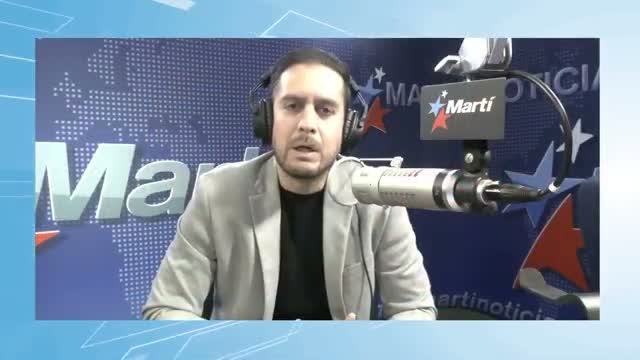
During the same Radio TV Martí interview, host Emmanuel Rincón asked Daniel Chan whether the Venezuelan experience could translate to Cuba and how U.S. policy might affect the island.
Chan said the U.S. administration’s emphasis on penalizing countries that send energy subsidies to Cuba raises pressure similar to the 1990s 'Special Period' and could strain the regime. He cautioned, however, that Cuba differs from Venezuela in key ways: decades of institutional weakening and a much smaller, more repressed domestic opposition make a mass, quick transition less likely.
"Lo único más crítico en el caso de Cuba es generar prosperidad económica," Chan said, arguing that opening Cuba to market mechanisms and leveraging the Cuban diaspora’s democratic experience would be central to any long‑term transition. He contrasted the Cuban case with Venezuela, saying the two are not directly comparable because Cuba’s civil society structures have been more deeply eroded over decades.
Why it matters: Chan framed Cuba as vulnerable to targeted economic pressure but stressed that immediate regime change modeled on Venezuela would face practical and social obstacles. He identified the Cuban diaspora and economic reforms as essential elements for rebuilding democratic institutions over time.
Reporting limitations: These are analyst observations offered on air; the program did not present new documentary evidence about Cuba’s internal contacts or a U.S. decision to pursue regime change.
What’s next: Chan urged attention to economic levers and diaspora engagement as likely long‑term drivers of political change rather than a rapid Venezuelan‑style transition.
Chan said the U.S. administration’s emphasis on penalizing countries that send energy subsidies to Cuba raises pressure similar to the 1990s 'Special Period' and could strain the regime. He cautioned, however, that Cuba differs from Venezuela in key ways: decades of institutional weakening and a much smaller, more repressed domestic opposition make a mass, quick transition less likely.
"Lo único más crítico en el caso de Cuba es generar prosperidad económica," Chan said, arguing that opening Cuba to market mechanisms and leveraging the Cuban diaspora’s democratic experience would be central to any long‑term transition. He contrasted the Cuban case with Venezuela, saying the two are not directly comparable because Cuba’s civil society structures have been more deeply eroded over decades.
Why it matters: Chan framed Cuba as vulnerable to targeted economic pressure but stressed that immediate regime change modeled on Venezuela would face practical and social obstacles. He identified the Cuban diaspora and economic reforms as essential elements for rebuilding democratic institutions over time.
Reporting limitations: These are analyst observations offered on air; the program did not present new documentary evidence about Cuba’s internal contacts or a U.S. decision to pursue regime change.
What’s next: Chan urged attention to economic levers and diaspora engagement as likely long‑term drivers of political change rather than a rapid Venezuelan‑style transition.
View the Full Meeting & All Its Details
This article offers just a summary. Unlock complete video, transcripts, and insights as a Founder Member.
✓
Watch full, unedited meeting videos
✓
Search every word spoken in unlimited transcripts
✓
AI summaries & real-time alerts (all government levels)
✓
Permanent access to expanding government content
30-day money-back guarantee
