Scientists and journalists point to epibatidine and a Russian institute’s prior research in Navalny’s death
This article was created by AI summarizing key points discussed. AI makes mistakes, so for full details and context, please refer to the video of the full meeting. Please report any errors so we can fix them. Report an error »
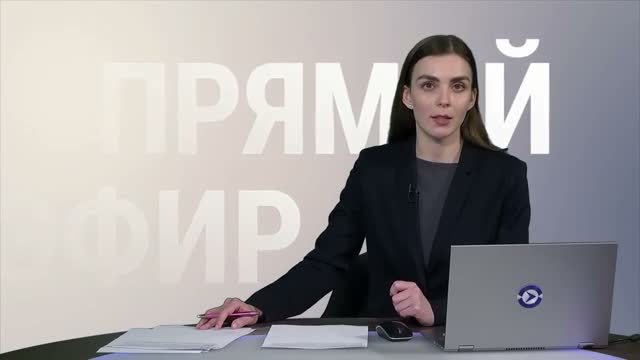
Five independent laboratories, the broadcast reported, have identified epibatidine — a toxin originally found on tree frogs in Ecuador — in biological material from Alexei Navalny. Toxicologists and treating physicians on the program described the substance’s effects and why it can be detected long after exposure.
Ismail Afendiev, identified as a member of the European association of poison centers, said the onset and lethality of epibatidine depend on dose and route (oral, mucosal or dermal) and that, unlike some nerve agents, it is poorly metabolized and can persist in samples for extended periods. “In depending on the formula and route, action can start from several minutes to up to an hour,” Afendiev said on the broadcast.
Dr. Alexander Polupan, who treated Navalny after a prior Novichok poisoning incident, said the reported pre-death symptoms — gastrointestinal distress, convulsions and respiratory problems — are consistent with epibatidine exposure.
Journalists on the program cited a 2013 Russian scientific article describing a practical method to synthesize epibatidine; the broadcast said three of five authors were employees of a state organic chemistry research institute (identified in the program as GosNIIOKhT) that had earlier been linked to Novichok development. Sergei Tabrynin of the Russian Service of Radio Svoboda (Radio Free Europe/Radio Liberty) explained the chemical’s research history and said the 2013 paper described a preparative synthesis rather than a theoretical pathway.
Roman Dobrokhotov of Insider told the program that his outlet’s earlier reporting, including documents and medical details, matches the symptom profile now associated with epibatidine and that the institute’s publications make it plausible the substance could be synthesized domestically. The broadcast cautioned that details of how samples were removed from Russia and delivered to independent laboratories were not disclosed on security grounds.
The program did not present laboratory reports in full on air and noted that governments coordinated to issue a joint statement after multiple confirmations. It also reported that Russian officials have signaled they will investigate leaks of material but did not provide details about any official forensic inquiry.
Ismail Afendiev, identified as a member of the European association of poison centers, said the onset and lethality of epibatidine depend on dose and route (oral, mucosal or dermal) and that, unlike some nerve agents, it is poorly metabolized and can persist in samples for extended periods. “In depending on the formula and route, action can start from several minutes to up to an hour,” Afendiev said on the broadcast.
Dr. Alexander Polupan, who treated Navalny after a prior Novichok poisoning incident, said the reported pre-death symptoms — gastrointestinal distress, convulsions and respiratory problems — are consistent with epibatidine exposure.
Journalists on the program cited a 2013 Russian scientific article describing a practical method to synthesize epibatidine; the broadcast said three of five authors were employees of a state organic chemistry research institute (identified in the program as GosNIIOKhT) that had earlier been linked to Novichok development. Sergei Tabrynin of the Russian Service of Radio Svoboda (Radio Free Europe/Radio Liberty) explained the chemical’s research history and said the 2013 paper described a preparative synthesis rather than a theoretical pathway.
Roman Dobrokhotov of Insider told the program that his outlet’s earlier reporting, including documents and medical details, matches the symptom profile now associated with epibatidine and that the institute’s publications make it plausible the substance could be synthesized domestically. The broadcast cautioned that details of how samples were removed from Russia and delivered to independent laboratories were not disclosed on security grounds.
The program did not present laboratory reports in full on air and noted that governments coordinated to issue a joint statement after multiple confirmations. It also reported that Russian officials have signaled they will investigate leaks of material but did not provide details about any official forensic inquiry.
View the Full Meeting & All Its Details
This article offers just a summary. Unlock complete video, transcripts, and insights as a Founder Member.
✓
Watch full, unedited meeting videos
✓
Search every word spoken in unlimited transcripts
✓
AI summaries & real-time alerts (all government levels)
✓
Permanent access to expanding government content
30-day money-back guarantee
