CCSD reports continued drop in chronic absenteeism after 24,000 home visits; board accepts report
February 13, 2026 | CLARK COUNTY SCHOOL DISTRICT, School Districts, Nevada
This article was created by AI summarizing key points discussed. AI makes mistakes, so for full details and context, please refer to the video of the full meeting. Please report any errors so we can fix them. Report an error »
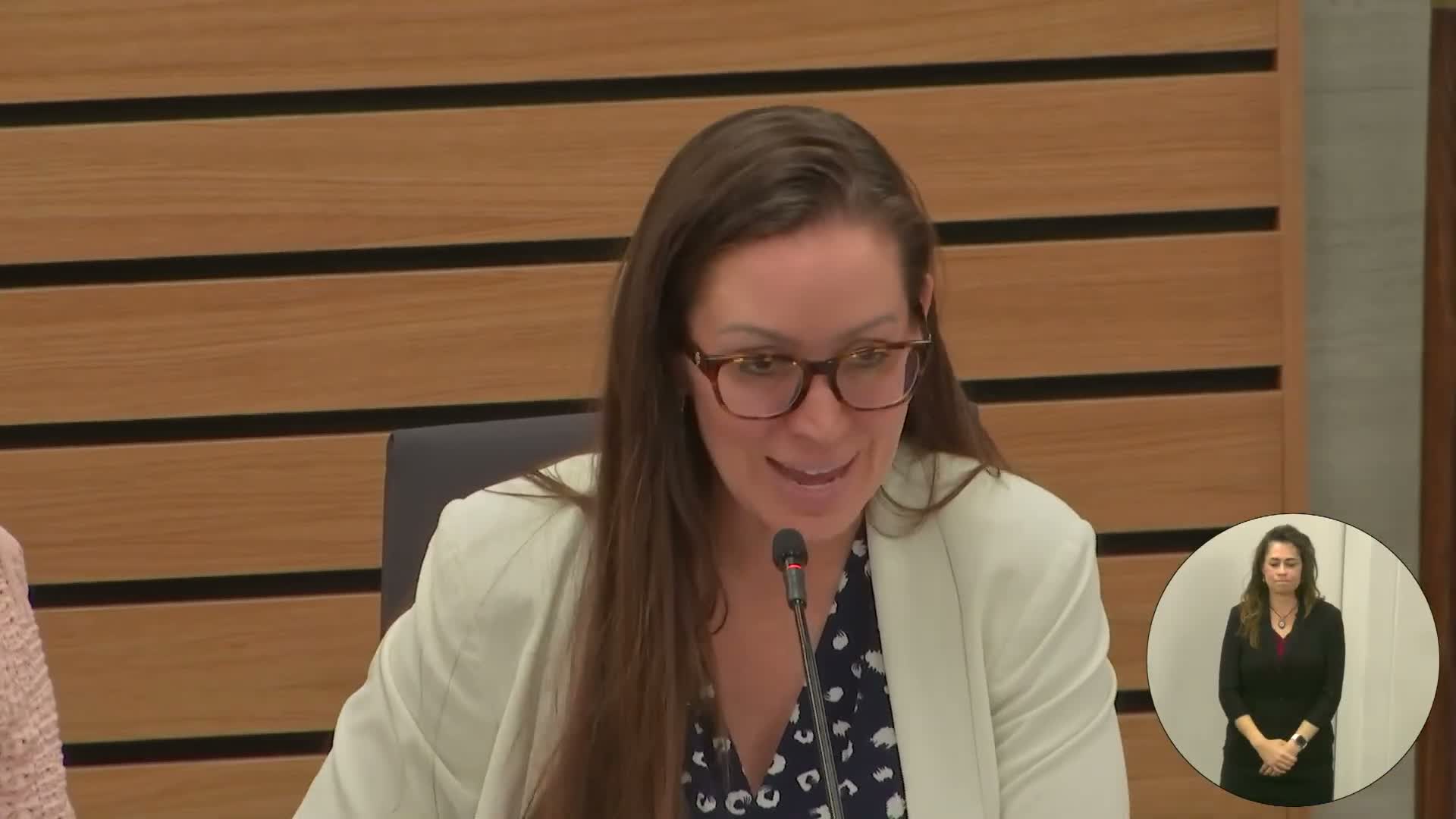
Clark County School District officials reported Feb. 12 that chronic absenteeism has continued to decline after peaking during the COVID era, and the Board of Trustees voted to accept the first-semester outcomes.
Associate Superintendent Kevin McPartland and Danielle Jones, executive director of alternative services, presented district data showing a multiyear reduction in chronic absenteeism: rates peaked near 40 percent in 2022 and had fallen to about 26.9 percent by the end of last year. For the most recent first semester, presenters reported a further 2.5 percentage-point reduction overall and larger declines among several student groups, including a 3.4-point drop for Black/African American students and a 3.3-point drop for Hispanic students and Native Hawaiian/Pacific Islander students.
Jones attributed improvements to coordinated outreach and supports, including targeted home visits by district attendance officers (24,000 visits in the first semester), expansion of wraparound services, more professional learning for site staff on culturally responsive and trauma-informed practices, and districtwide messaging through the Bright Futures initiative. She said home visits focus on providing resources and information rather than punitive measures.
Trustees asked for more detail about staffing and measurement. Jones said the district employs about 30 district attendance officers (each typically assigned roughly 10 schools) and that some campuses fund their own officers; she estimated 20–25 schools have school-funded officers. McPartland said attendance officers sometimes achieve a 30 percent return rate for students who had been administratively withdrawn and that the district is working to refine data systems to better link home-visit outcomes with subsequent attendance changes.
Board members also pressed for disaggregated counts (raw numbers rather than percentages) and for data showing how many students returned to regular attendance after outreach. Jones said the office is working to pull that information but cited logistical challenges because visits and attendance changes occur sporadically.
Trustees discussed next steps and targets. McPartland said the district’s “dream” target is to approach pre-pandemic levels — roughly 15 percent chronic absenteeism — while acknowledging more work is required at high-school grade levels, where absenteeism remains highest. Trustees asked that future reports include follow-up metrics (e.g., counts of students who returned after outreach) and specifics on which community partners participated in Bright Futures events.
The board voted to accept the report after trustee discussion. McPartland and Jones said the district will continue working with municipalities, expand community partnerships, and analyze reengagement data from recent community walks to refine interventions.
What’s next: Trustees requested additional follow-ups, including (1) raw counts and return-rate measures tied to home visits, (2) breakdowns by program (for example, students on COSA) and (3) an update on progress toward the district target for next year.
Associate Superintendent Kevin McPartland and Danielle Jones, executive director of alternative services, presented district data showing a multiyear reduction in chronic absenteeism: rates peaked near 40 percent in 2022 and had fallen to about 26.9 percent by the end of last year. For the most recent first semester, presenters reported a further 2.5 percentage-point reduction overall and larger declines among several student groups, including a 3.4-point drop for Black/African American students and a 3.3-point drop for Hispanic students and Native Hawaiian/Pacific Islander students.
Jones attributed improvements to coordinated outreach and supports, including targeted home visits by district attendance officers (24,000 visits in the first semester), expansion of wraparound services, more professional learning for site staff on culturally responsive and trauma-informed practices, and districtwide messaging through the Bright Futures initiative. She said home visits focus on providing resources and information rather than punitive measures.
Trustees asked for more detail about staffing and measurement. Jones said the district employs about 30 district attendance officers (each typically assigned roughly 10 schools) and that some campuses fund their own officers; she estimated 20–25 schools have school-funded officers. McPartland said attendance officers sometimes achieve a 30 percent return rate for students who had been administratively withdrawn and that the district is working to refine data systems to better link home-visit outcomes with subsequent attendance changes.
Board members also pressed for disaggregated counts (raw numbers rather than percentages) and for data showing how many students returned to regular attendance after outreach. Jones said the office is working to pull that information but cited logistical challenges because visits and attendance changes occur sporadically.
Trustees discussed next steps and targets. McPartland said the district’s “dream” target is to approach pre-pandemic levels — roughly 15 percent chronic absenteeism — while acknowledging more work is required at high-school grade levels, where absenteeism remains highest. Trustees asked that future reports include follow-up metrics (e.g., counts of students who returned after outreach) and specifics on which community partners participated in Bright Futures events.
The board voted to accept the report after trustee discussion. McPartland and Jones said the district will continue working with municipalities, expand community partnerships, and analyze reengagement data from recent community walks to refine interventions.
What’s next: Trustees requested additional follow-ups, including (1) raw counts and return-rate measures tied to home visits, (2) breakdowns by program (for example, students on COSA) and (3) an update on progress toward the district target for next year.
Don't Miss a Word: See the Full Meeting!
Go beyond summaries. Unlock every video, transcript, and key insight with a Founder Membership.
✓
Get instant access to full meeting videos
✓
Search and clip any phrase from complete transcripts
✓
Receive AI-powered summaries & custom alerts
✓
Enjoy lifetime, unrestricted access to government data
30-day money-back guarantee
