Public commenters call proposed voter ID a form of voter suppression, citing costs and access barriers
February 13, 2026 | House Committee on Natural Resources, House Committee, House, Legislative, Federal
This article was created by AI summarizing key points discussed. AI makes mistakes, so for full details and context, please refer to the video of the full meeting. Please report any errors so we can fix them. Report an error »
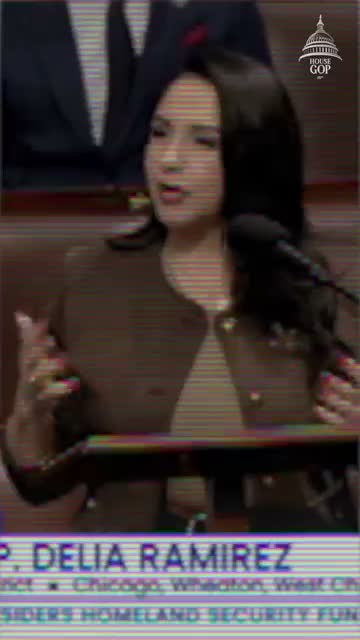
During a public comment period, several speakers criticized a proposed voter identification measure as a form of voter suppression, saying it would disproportionately burden women, students, Indigenous people and rural residents.
The comments centered on access and cost barriers. Speaker 1 called the proposal a "racist, misogynistic, white supremacist agenda." Speaker 2 said the measure has wide public support but argued that "the vast majority of Democrats on Capitol Hill oppose" the rules, and cited claimed support rates across racial groups: "85% of white people favor it," "82% of Latino," "76% of black Americans favor it," and "Even 71% of Democrats favor photo ID to vote." Speaker 3 raised procedural concerns, saying the rules "don't even take into consideration women of all races who had changed their names when they got married," and added that people would have to "go down to a clerk and prove their citizens, sign affidavits, do this in person" during limited government hours.
Speakers also quantified potential financial and logistical barriers. Speaker 2 said passports "cost a $130," and Speaker 4 said a copy of a birth certificate "can cost up to 60," calling that requirement "a modern day poll tax." Speaker 4 also warned that in rural areas Americans could be forced to "drive 7 or 8 hours round trip" to comply and described the proposal as a "show your papers mandate" that would "disqualify Americans who oppose their evil agenda."
The transcript records these claims and criticisms but does not show any direct responses from proponents of the measure, nor does it record formal motions or votes on the proposal. The comments in the record reflect public concern about whether the requirements would create direct costs or access barriers for specific populations and do not, by themselves, establish how the policy would be implemented or funded.
The comments centered on access and cost barriers. Speaker 1 called the proposal a "racist, misogynistic, white supremacist agenda." Speaker 2 said the measure has wide public support but argued that "the vast majority of Democrats on Capitol Hill oppose" the rules, and cited claimed support rates across racial groups: "85% of white people favor it," "82% of Latino," "76% of black Americans favor it," and "Even 71% of Democrats favor photo ID to vote." Speaker 3 raised procedural concerns, saying the rules "don't even take into consideration women of all races who had changed their names when they got married," and added that people would have to "go down to a clerk and prove their citizens, sign affidavits, do this in person" during limited government hours.
Speakers also quantified potential financial and logistical barriers. Speaker 2 said passports "cost a $130," and Speaker 4 said a copy of a birth certificate "can cost up to 60," calling that requirement "a modern day poll tax." Speaker 4 also warned that in rural areas Americans could be forced to "drive 7 or 8 hours round trip" to comply and described the proposal as a "show your papers mandate" that would "disqualify Americans who oppose their evil agenda."
The transcript records these claims and criticisms but does not show any direct responses from proponents of the measure, nor does it record formal motions or votes on the proposal. The comments in the record reflect public concern about whether the requirements would create direct costs or access barriers for specific populations and do not, by themselves, establish how the policy would be implemented or funded.
Don't Miss a Word: See the Full Meeting!
Go beyond summaries. Unlock every video, transcript, and key insight with a Founder Membership.
✓
Get instant access to full meeting videos
✓
Search and clip any phrase from complete transcripts
✓
Receive AI-powered summaries & custom alerts
✓
Enjoy lifetime, unrestricted access to government data
30-day money-back guarantee
