Senate committee considers a package of grid, zoning and rate bills affecting data centers and utilities
February 13, 2026 | 2026 Legislature VA, Virginia
This article was created by AI summarizing key points discussed. AI makes mistakes, so for full details and context, please refer to the video of the full meeting. Please report any errors so we can fix them. Report an error »
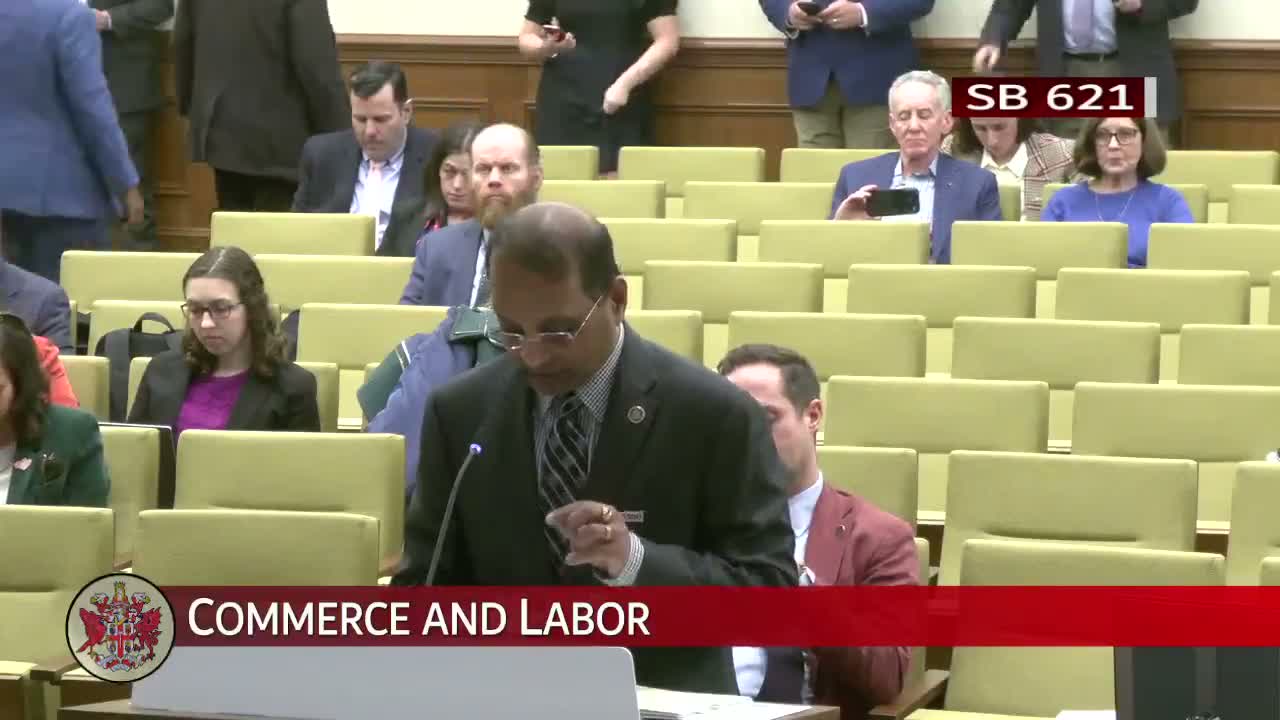
A cluster of bills in the committee addressed how Virginia will plan and pay for electric infrastructure as large‑load facilities such as data centers proliferate. Sponsors and local officials emphasized grid reliability, permitting timeliness and local planning authority; utilities and industry groups raised concerns about duplicating State Corporation Commission (SCC) authority and creating inconsistent local rules.
Key measures included:
- SB 621 (grid utilization): a substitute directing the SCC to include grid‑utilization assessments in integrated resource plans (IRPs) and report findings to the General Assembly and governor. Supporters argued it promotes efficient use of existing infrastructure; some committee members worried about adding complexity to IRPs.
- SB 554 (zoning in Planning District 8): gives localities in Planning District 8 permissive authority to consider projected annual electric usage for qualifying high‑energy projects (>25 MW) during legislative land‑use decisions. Loudoun County counsel said the change would let local governments weigh electricity availability alongside transportation and schools; Dominion and trade groups opposed, saying the SCC already has tools and this risks fragmentation.
- SB 310 and related bills: a substitute established more predictable SCC timelines for transmission application reviews and sought to provide certainty for financing and siting decisions; industry groups and data‑center advocates supported clearer timelines while some unions and local advocates pushed for more local input.
Stakeholders that testified included Loudoun County officials (supporting local planning authority), data‑center coalition representatives and major cloud providers (arguing for permitting certainty), Dominion and other utilities (warning against duplicative regulation), the Virginia Chamber of Commerce and numerous environmental and consumer groups. Committee action included adoption of several substitutes and motions to report; some bills were carried over for additional inter‑agency work or referral to finance.
What happens next: Several measures were reported out with substitutes for full‑chamber consideration; others will be refined in floor amendments or via follow‑up with SCC and stakeholder workgroups. The committee signaled an appetite to balance local planning, system reliability and the need for consistent statewide regulatory frameworks.
Sources: Committee testimony from sponsors, Loudoun County counsel, SCC staff, utilities, industry coalitions and environmental organizations.
Key measures included:
- SB 621 (grid utilization): a substitute directing the SCC to include grid‑utilization assessments in integrated resource plans (IRPs) and report findings to the General Assembly and governor. Supporters argued it promotes efficient use of existing infrastructure; some committee members worried about adding complexity to IRPs.
- SB 554 (zoning in Planning District 8): gives localities in Planning District 8 permissive authority to consider projected annual electric usage for qualifying high‑energy projects (>25 MW) during legislative land‑use decisions. Loudoun County counsel said the change would let local governments weigh electricity availability alongside transportation and schools; Dominion and trade groups opposed, saying the SCC already has tools and this risks fragmentation.
- SB 310 and related bills: a substitute established more predictable SCC timelines for transmission application reviews and sought to provide certainty for financing and siting decisions; industry groups and data‑center advocates supported clearer timelines while some unions and local advocates pushed for more local input.
Stakeholders that testified included Loudoun County officials (supporting local planning authority), data‑center coalition representatives and major cloud providers (arguing for permitting certainty), Dominion and other utilities (warning against duplicative regulation), the Virginia Chamber of Commerce and numerous environmental and consumer groups. Committee action included adoption of several substitutes and motions to report; some bills were carried over for additional inter‑agency work or referral to finance.
What happens next: Several measures were reported out with substitutes for full‑chamber consideration; others will be refined in floor amendments or via follow‑up with SCC and stakeholder workgroups. The committee signaled an appetite to balance local planning, system reliability and the need for consistent statewide regulatory frameworks.
Sources: Committee testimony from sponsors, Loudoun County counsel, SCC staff, utilities, industry coalitions and environmental organizations.
View the Full Meeting & All Its Details
This article offers just a summary. Unlock complete video, transcripts, and insights as a Founder Member.
✓
Watch full, unedited meeting videos
✓
Search every word spoken in unlimited transcripts
✓
AI summaries & real-time alerts (all government levels)
✓
Permanent access to expanding government content
30-day money-back guarantee
