Judicial‑transparency bill held then advanced after sponsor pledges privacy fixes
February 13, 2026 | 2026 Utah Legislature, Utah Legislature, Utah Legislative Branch, Utah
This article was created by AI summarizing key points discussed. AI makes mistakes, so for full details and context, please refer to the video of the full meeting. Please report any errors so we can fix them. Report an error »
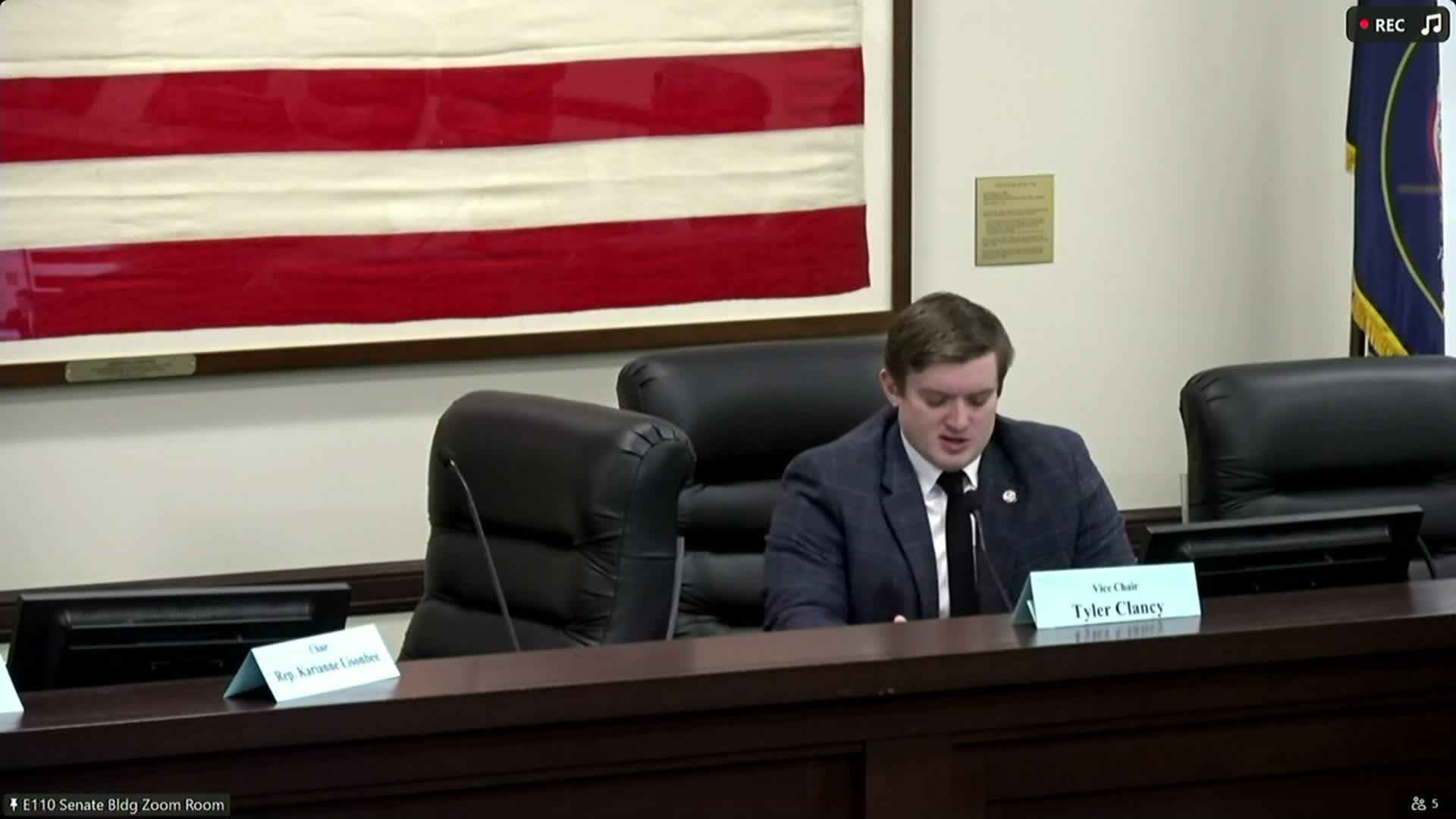
Representative Monson presented HB 540 with four main goals: a searchable online access point for public court records (with a limited number of free searches), free access to court audio recordings, direction to the Judicial Council to adopt judicial financial‑disclosure rules, and a two‑year ‘‘cooling‑off’’ period intended to limit retired judges from immediately joining private firms litigating the state.
Court administrators and organized bar groups praised efforts to improve transparency but urged caution. Michael Drexel (assistant state court administrator) said the courts had been productive partners and welcomed further collaboration. The Utah State Bar and defense‑attorney groups opposed aspects of the bill as drafted, warning that easy access to audio and records could expose sensitive victim or juvenile information, chill participation and create privacy and safety risks. Defense attorneys and bar officials also argued the measure could stray into regulating the practice of law and duplicating existing ethics and recusal rules.
After substantial debate the committee voted to hold the bill (6–5) to allow further stakeholder negotiation. Representative Thompson later moved to reconsider; after the sponsor committed to work on subs addressing victim privacy, professional‑practice questions and other technical issues, the committee reconsidered and favorably recommended the first substitute to the House floor. Members insisted subs be drafted to protect victim and witness privacy and to coordinate rulemaking with the courts and the Judicial Council before floor debate.
Court administrators and organized bar groups praised efforts to improve transparency but urged caution. Michael Drexel (assistant state court administrator) said the courts had been productive partners and welcomed further collaboration. The Utah State Bar and defense‑attorney groups opposed aspects of the bill as drafted, warning that easy access to audio and records could expose sensitive victim or juvenile information, chill participation and create privacy and safety risks. Defense attorneys and bar officials also argued the measure could stray into regulating the practice of law and duplicating existing ethics and recusal rules.
After substantial debate the committee voted to hold the bill (6–5) to allow further stakeholder negotiation. Representative Thompson later moved to reconsider; after the sponsor committed to work on subs addressing victim privacy, professional‑practice questions and other technical issues, the committee reconsidered and favorably recommended the first substitute to the House floor. Members insisted subs be drafted to protect victim and witness privacy and to coordinate rulemaking with the courts and the Judicial Council before floor debate.
View the Full Meeting & All Its Details
This article offers just a summary. Unlock complete video, transcripts, and insights as a Founder Member.
✓
Watch full, unedited meeting videos
✓
Search every word spoken in unlimited transcripts
✓
AI summaries & real-time alerts (all government levels)
✓
Permanent access to expanding government content
30-day money-back guarantee
