Committee adopts pilot allowing certain mines to pay severance tax in gold
February 13, 2026 | 2026 Utah Legislature, Utah Legislature, Utah Legislative Branch, Utah
This article was created by AI summarizing key points discussed. AI makes mistakes, so for full details and context, please refer to the video of the full meeting. Please report any errors so we can fix them. Report an error »
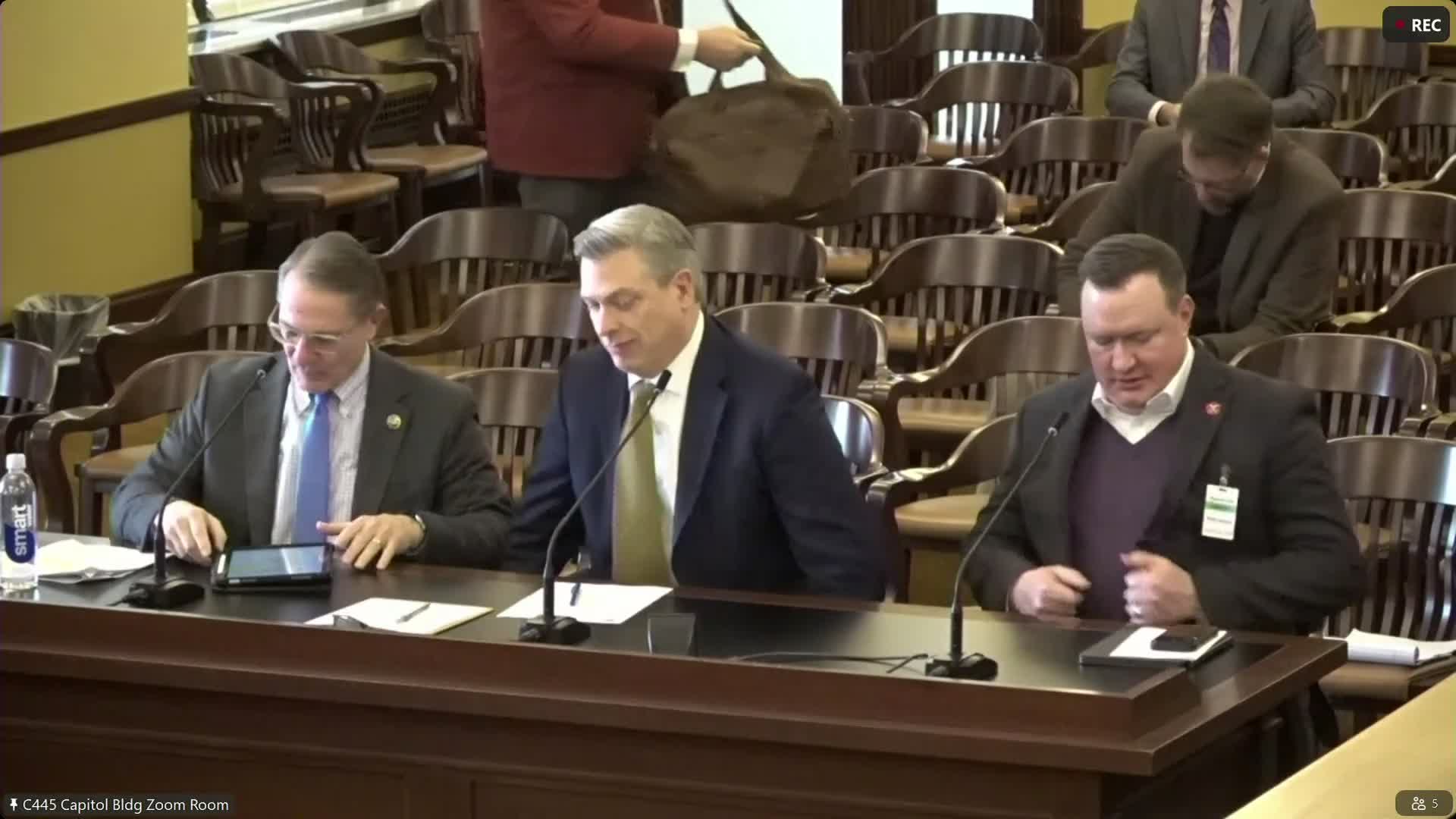
Representative Ivory presented the first substitute to HB362, a pilot that would allow qualified miners producing in-state gold and certain rare or critical minerals to pay severance tax in physical gold (refined and deposited with the state's vaulting provider). In return, the miner would receive a 5% severance-tax credit: five years for existing mines and 15 years for new operations.
State Treasurer Marlo Oakes said the state already maintains gold holdings and vaulting infrastructure and that the mechanics (refining, vaulting, custody) could be accommodated. Brian Summers of the Utah Mining Association described mining's economic footprint and argued the targeted credit would make Utah more attractive for critical-mineral investment.
Committee members asked about existing incentives and fiscal mechanics. Witnesses said exploration and high-cost infrastructure tax credits already exist and that the new pilot targets co-production of gold with critical minerals tied to national-security priorities. The fiscal note showed an ongoing effect but sponsors said offsets and timing (pilot starts in 2028) would limit net ongoing cost; the sponsor agreed to follow up with analysts to clarify ongoing impacts.
Public testimony included supporters who framed the measure as a resilience/sovereign-reserve strategy. The committee adopted the substitute and passed HB362 out favorably unanimously.
Next steps: With committee approval the measure moves forward; fiscal analysts and sponsors will clarify the projected ongoing $463,000 figure and any offsets ahead of floor consideration.
State Treasurer Marlo Oakes said the state already maintains gold holdings and vaulting infrastructure and that the mechanics (refining, vaulting, custody) could be accommodated. Brian Summers of the Utah Mining Association described mining's economic footprint and argued the targeted credit would make Utah more attractive for critical-mineral investment.
Committee members asked about existing incentives and fiscal mechanics. Witnesses said exploration and high-cost infrastructure tax credits already exist and that the new pilot targets co-production of gold with critical minerals tied to national-security priorities. The fiscal note showed an ongoing effect but sponsors said offsets and timing (pilot starts in 2028) would limit net ongoing cost; the sponsor agreed to follow up with analysts to clarify ongoing impacts.
Public testimony included supporters who framed the measure as a resilience/sovereign-reserve strategy. The committee adopted the substitute and passed HB362 out favorably unanimously.
Next steps: With committee approval the measure moves forward; fiscal analysts and sponsors will clarify the projected ongoing $463,000 figure and any offsets ahead of floor consideration.
Don't Miss a Word: See the Full Meeting!
Go beyond summaries. Unlock every video, transcript, and key insight with a Founder Membership.
✓
Get instant access to full meeting videos
✓
Search and clip any phrase from complete transcripts
✓
Receive AI-powered summaries & custom alerts
✓
Enjoy lifetime, unrestricted access to government data
30-day money-back guarantee
