Attorney for nonprofit housing urges shorter eviction timelines, clearer service and trespass rules in 7 72 testimony
February 13, 2026 | General & Housing, HOUSE OF REPRESENTATIVES, Committees, Legislative , Vermont
This article was created by AI summarizing key points discussed. AI makes mistakes, so for full details and context, please refer to the video of the full meeting. Please report any errors so we can fix them. Report an error »
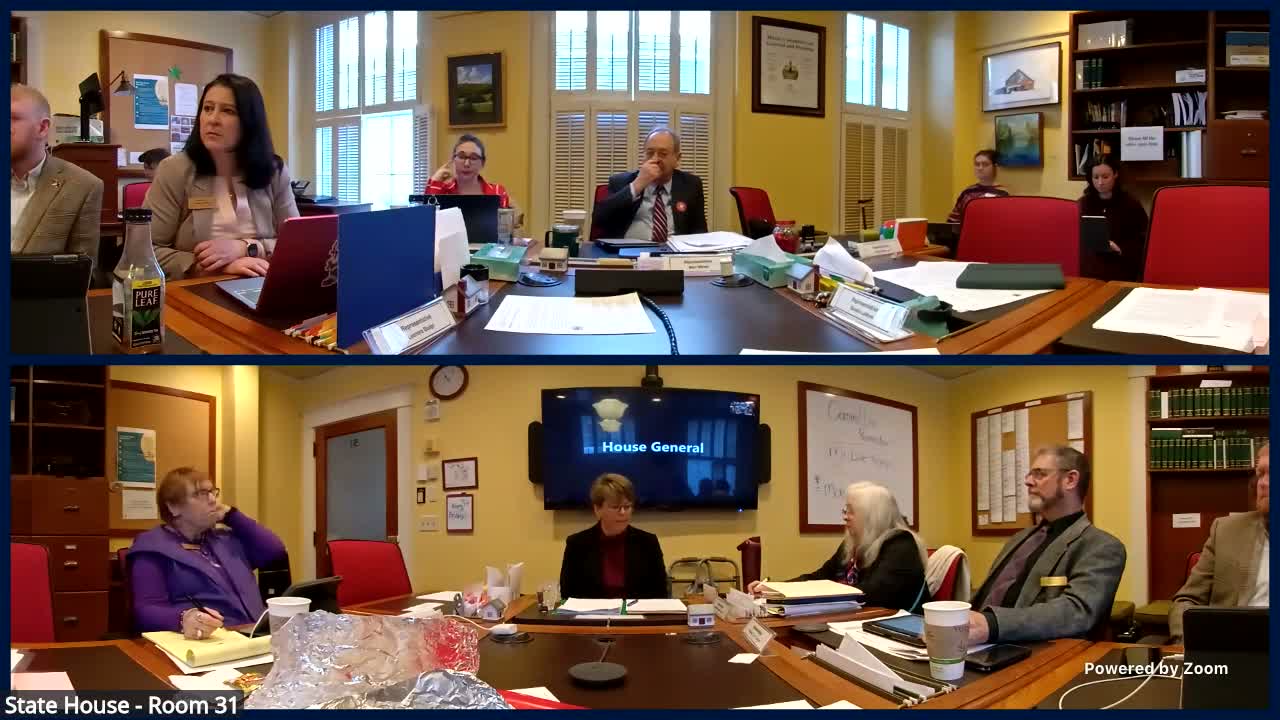
BURLINGTON — Attorney Nadine Sebec, who represents nonprofit housing providers including Champlain Housing Trust, told the House Committee on General & Housing on Feb. 13 that draft bill "7 72" contains useful reforms but needs clearer procedural language to work in practice.
"It's been 35 years coming this fall that I've been practicing," Sebec said in opening testimony, describing a practice that is now strained by high caseloads and fewer landlord-tenant attorneys. She urged lawmakers to shorten timelines for expedited cause evictions (for violence or drug dealing), tighten jury-demand rules that she called a common delay tactic, and adopt clearer alternative-service ("tack") orders so sheriffs need not repeatedly attempt service.
Sebec told the committee that while mandatory answer forms introduced in recent years have reduced defaults, the overall eviction process remains lengthy. She described typical timelines of roughly three months where tenants do not answer and six months or more when they do, and noted that scheduling, sheriff service and county distances add delay. "It's costly," she said, listing state filing fees she estimated at about $299 plus Odyssey case-management fees and sheriff fees of roughly $75 per person.
Why it matters: Committee members repeatedly pressed Sebec on a common policy tension — how to shorten the path to regain possession in clear cause cases without stripping tenants of due process. Sebec framed many of her recommendations as ways to speed court access and reduce repeated administrative costs while retaining judicial review.
Key provisions Sebec discussed included:
- Shortened timelines for expedited cause evictions: Sebec said the bill's proposed faster track for drug- and violence-related cases is appropriate so long as tenants still have "their day in court." She argued judges retain discretion to give more time where warranted but that statutory minimums can speed resolution.
- Alternative service (tack) orders: Sebec urged lawmakers to adopt language allowing a single alternative-service order to apply for the entire case so sheriffs need not seek repeated orders for each filing stage. She said inconsistent judicial practices have forced multiple attempts and extra sheriff fees.
- Rent-into-court (escrow) limits and arrears: Sebec explained that motions to require current rent paid into court typically cover ongoing rent going forward and do not eliminate substantial back rent arrears; scheduling delays often mean landlords receive little compensation for months while cases proceed.
- Jury-demand limits: "Tenants use it as a delay tactic," Sebec said of jury demands in eviction cases, and she testified in favor of restricting jury trials in landlord-tenant matters to avoid prolonged backlog.
- Notice, service and confidentiality tweaks: Sebec supported expanding acceptable notice methods (door posting, mail, email) to make initial service more practical and less expensive than certified mail in many cases. She said initial filings should be treated differently from final judgments: filings may be confidential while actual judgments should remain accessible to avoid unfairly denying housing to applicants when no judgment was entered.
- Application fees, security deposits and rent increases: Sebec said statutory clarity is needed on what counts as an application fee (credit/background checks) and expressed support for a two-month statewide cap on security deposits and a limit on rent increases to once per year.
- Trespass provision after eviction: Sebec strongly urged a statutory or order-based trespass prohibition barring evicted individuals from returning to the property after lockout, citing repeated break-ins and damage. "If you have been evicted, I don't care why they were evicted ... they cannot come on the property," she told members, recommending a court order or statutory language that would make return a trespass offense.
Committee response and next steps: Members asked detailed procedural questions about how the rent-into-court and escrow motions work, the effect of jury demands, and how judges in different counties have treated tack orders and service. The committee signaled additional drafting work with legislative counsel and noted that Sheriff Gammill and others are scheduled to testify in future sessions.
Sebec closed by urging continued funding for eviction-prevention and rental-assistance programs that reduce filings, while also seeking statutory changes to shorten certain timelines for landlords dealing with criminal or violent conduct. The committee recessed to continue consideration and hear additional witnesses at a later date.
"It's been 35 years coming this fall that I've been practicing," Sebec said in opening testimony, describing a practice that is now strained by high caseloads and fewer landlord-tenant attorneys. She urged lawmakers to shorten timelines for expedited cause evictions (for violence or drug dealing), tighten jury-demand rules that she called a common delay tactic, and adopt clearer alternative-service ("tack") orders so sheriffs need not repeatedly attempt service.
Sebec told the committee that while mandatory answer forms introduced in recent years have reduced defaults, the overall eviction process remains lengthy. She described typical timelines of roughly three months where tenants do not answer and six months or more when they do, and noted that scheduling, sheriff service and county distances add delay. "It's costly," she said, listing state filing fees she estimated at about $299 plus Odyssey case-management fees and sheriff fees of roughly $75 per person.
Why it matters: Committee members repeatedly pressed Sebec on a common policy tension — how to shorten the path to regain possession in clear cause cases without stripping tenants of due process. Sebec framed many of her recommendations as ways to speed court access and reduce repeated administrative costs while retaining judicial review.
Key provisions Sebec discussed included:
- Shortened timelines for expedited cause evictions: Sebec said the bill's proposed faster track for drug- and violence-related cases is appropriate so long as tenants still have "their day in court." She argued judges retain discretion to give more time where warranted but that statutory minimums can speed resolution.
- Alternative service (tack) orders: Sebec urged lawmakers to adopt language allowing a single alternative-service order to apply for the entire case so sheriffs need not seek repeated orders for each filing stage. She said inconsistent judicial practices have forced multiple attempts and extra sheriff fees.
- Rent-into-court (escrow) limits and arrears: Sebec explained that motions to require current rent paid into court typically cover ongoing rent going forward and do not eliminate substantial back rent arrears; scheduling delays often mean landlords receive little compensation for months while cases proceed.
- Jury-demand limits: "Tenants use it as a delay tactic," Sebec said of jury demands in eviction cases, and she testified in favor of restricting jury trials in landlord-tenant matters to avoid prolonged backlog.
- Notice, service and confidentiality tweaks: Sebec supported expanding acceptable notice methods (door posting, mail, email) to make initial service more practical and less expensive than certified mail in many cases. She said initial filings should be treated differently from final judgments: filings may be confidential while actual judgments should remain accessible to avoid unfairly denying housing to applicants when no judgment was entered.
- Application fees, security deposits and rent increases: Sebec said statutory clarity is needed on what counts as an application fee (credit/background checks) and expressed support for a two-month statewide cap on security deposits and a limit on rent increases to once per year.
- Trespass provision after eviction: Sebec strongly urged a statutory or order-based trespass prohibition barring evicted individuals from returning to the property after lockout, citing repeated break-ins and damage. "If you have been evicted, I don't care why they were evicted ... they cannot come on the property," she told members, recommending a court order or statutory language that would make return a trespass offense.
Committee response and next steps: Members asked detailed procedural questions about how the rent-into-court and escrow motions work, the effect of jury demands, and how judges in different counties have treated tack orders and service. The committee signaled additional drafting work with legislative counsel and noted that Sheriff Gammill and others are scheduled to testify in future sessions.
Sebec closed by urging continued funding for eviction-prevention and rental-assistance programs that reduce filings, while also seeking statutory changes to shorten certain timelines for landlords dealing with criminal or violent conduct. The committee recessed to continue consideration and hear additional witnesses at a later date.
View the Full Meeting & All Its Details
This article offers just a summary. Unlock complete video, transcripts, and insights as a Founder Member.
✓
Watch full, unedited meeting videos
✓
Search every word spoken in unlimited transcripts
✓
AI summaries & real-time alerts (all government levels)
✓
Permanent access to expanding government content
30-day money-back guarantee
