Virginia House advances dozens of bills; manufactured‑home tenant protections, AI verification and utility‑transparency measures move forward
February 14, 2026 | 2026 Legislature VA, Virginia
This article was created by AI summarizing key points discussed. AI makes mistakes, so for full details and context, please refer to the video of the full meeting. Please report any errors so we can fix them. Report an error »
RICHMOND — The Virginia House of Delegates on Feb. 13, 2026, advanced a wide range of legislation across education, health, housing, energy and technology, approving an uncontested block of third‑reading bills and sending dozens more forward after floor debate and committee substitutes.
The chamber recorded a block vote early in the morning hour that passed 15 uncontested bills ("Ayes, 96; No 0"). Lawmakers later moved and passed numerous additional measures on the calendar, and several items drew extended floor discussion before passage.
Why it matters: The package includes bills that affect everyday services and costs for Virginians — from rental and manufactured‑home protections to rules that could change how utilities recover costs and how state agencies evaluate artificial‑intelligence products. Many of the bills will proceed to final steps in the legislative process and, where noted, will require rulemaking or federal approvals.
Votes at a glance (selected items)
- Uncontested third‑reading block (15 bills): Passed, recorded "Ayes, 96; No 0." The block included a mix of technical and programmatic measures advanced on the uncontested calendar.
- HB 28 (voter registration periodic review; 90‑day quiet period): Passed, recorded 61–35.
- HB 470 (Medicaid waivers; consumer‑directed services): Passed, recorded 93–3.
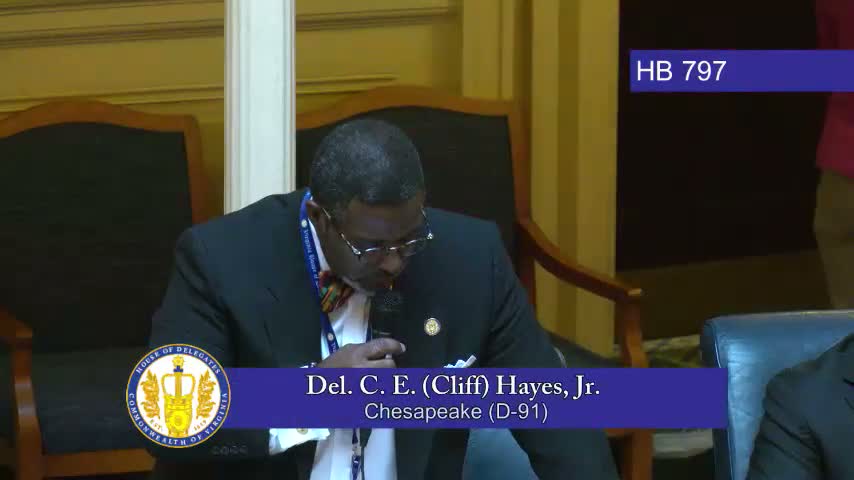
- HB 797 (Virginia Information Technologies Agency; AI verification marketplace — appropriations substitute): Engrossed and passed to third reading after adoption of an appropriations committee substitute.
- HB 375 (manufactured‑home community protections; right of first refusal for residents/localities): Committee substitute agreed to; passed to third reading.
- HB 13 60 (investor‑owned utility practices; disclosure of must‑run decisions and SCC review): Committee substitute agreed to and advanced.
What lawmakers debated
- Manufactured‑home protections (HB 375): The sponsor described the bill as strengthening protections for residents of manufactured‑home communities by creating a right of first refusal for park residents who own homes and rent lots, and for the locality in which a park sits. The sponsor said the resident group option requires a majority organization to match a market price and that the bill does not permit below‑market purchases. "This bill will provide a right of first refusal to the park residents who own their homes and rent lots in the park as well as to the locality in which the park sits," the bill's patron said on the floor. Members questioned whether family members of park owners could receive a below‑market purchase; the sponsor clarified the mechanism is market‑value matching and a resident group would need to organize (51% of residents) to exercise the right.
- AI verification marketplace (HB 797): An appropriations substitute for HB 797 was adopted to direct the Virginia Information Technologies Agency to authorize and oversee a voluntary marketplace of independent verification organizations for AI products. The bill’s floor sponsor said participation would be voluntary and that participating products could earn a voluntary "gold standard" seal. "These expert‑led third‑party bodies verify that AI systems meet heightened safety and risk prevention standards," the sponsor said.
- Utilities and ratepayer protections (HB 13 60): Sponsors argued the bill targets "uneconomic dispatch"—instances when utilities operate generation at higher cost than market alternatives—and would require disclosure and a review by the State Corporation Commission to determine whether those decisions are reasonable and prudent. If the SCC finds recovery unreasonable, it could deny cost recovery and protect ratepayers.
Other notable measures
- Workforce and education: HB 275 was amended to expand apprenticeships for 16‑ and 17‑year‑olds under specified conditions; HB 413 created a pathway for high‑school students to train for certified nurse‑aid roles.
- Health and social services: HB 283 clarified that pregnant women who take prescribed medication for opioid‑use disorder under medical supervision are not, solely for that reason, to be treated as engaging in child abuse or neglect; HB 145 (and related measures) established reporting requirements for opioid antagonist distribution and other public‑health measures.
Floor process and next steps
Many bills advanced under committee substitutes adopted on the floor; several measures that change agency practices or involve federal approvals (for example, Medicaid plan amendments) will require follow‑up rulemaking or federal sign‑offs. The House adjourned subject to reconvening in a pro forma session Sunday at 1 p.m. to advance the calendar before Tuesday's crossover deadline.
Context and sources
The summary is based on the House floor transcript for Feb. 13, 2026, including recorded voice votes, committee substitute motions and floor statements by delegates. Where a sponsor spoke on the floor, the article uses direct quotes from the transcript attributed to that sponsor. Procedural announcements and committee meeting schedules were made at the close of the morning hour.
What to watch next
Bills that passed the House will move to the Senate or return for conference if amended; items that require federal approval or agency rulemaking (for example, Medicaid amendments or DMAS oversight changes) will need additional administrative steps before taking effect.
The chamber recorded a block vote early in the morning hour that passed 15 uncontested bills ("Ayes, 96; No 0"). Lawmakers later moved and passed numerous additional measures on the calendar, and several items drew extended floor discussion before passage.
Why it matters: The package includes bills that affect everyday services and costs for Virginians — from rental and manufactured‑home protections to rules that could change how utilities recover costs and how state agencies evaluate artificial‑intelligence products. Many of the bills will proceed to final steps in the legislative process and, where noted, will require rulemaking or federal approvals.
Votes at a glance (selected items)
- Uncontested third‑reading block (15 bills): Passed, recorded "Ayes, 96; No 0." The block included a mix of technical and programmatic measures advanced on the uncontested calendar.
- HB 28 (voter registration periodic review; 90‑day quiet period): Passed, recorded 61–35.
- HB 470 (Medicaid waivers; consumer‑directed services): Passed, recorded 93–3.
- HB 797 (Virginia Information Technologies Agency; AI verification marketplace — appropriations substitute): Engrossed and passed to third reading after adoption of an appropriations committee substitute.
- HB 375 (manufactured‑home community protections; right of first refusal for residents/localities): Committee substitute agreed to; passed to third reading.
- HB 13 60 (investor‑owned utility practices; disclosure of must‑run decisions and SCC review): Committee substitute agreed to and advanced.
What lawmakers debated
- Manufactured‑home protections (HB 375): The sponsor described the bill as strengthening protections for residents of manufactured‑home communities by creating a right of first refusal for park residents who own homes and rent lots, and for the locality in which a park sits. The sponsor said the resident group option requires a majority organization to match a market price and that the bill does not permit below‑market purchases. "This bill will provide a right of first refusal to the park residents who own their homes and rent lots in the park as well as to the locality in which the park sits," the bill's patron said on the floor. Members questioned whether family members of park owners could receive a below‑market purchase; the sponsor clarified the mechanism is market‑value matching and a resident group would need to organize (51% of residents) to exercise the right.
- AI verification marketplace (HB 797): An appropriations substitute for HB 797 was adopted to direct the Virginia Information Technologies Agency to authorize and oversee a voluntary marketplace of independent verification organizations for AI products. The bill’s floor sponsor said participation would be voluntary and that participating products could earn a voluntary "gold standard" seal. "These expert‑led third‑party bodies verify that AI systems meet heightened safety and risk prevention standards," the sponsor said.
- Utilities and ratepayer protections (HB 13 60): Sponsors argued the bill targets "uneconomic dispatch"—instances when utilities operate generation at higher cost than market alternatives—and would require disclosure and a review by the State Corporation Commission to determine whether those decisions are reasonable and prudent. If the SCC finds recovery unreasonable, it could deny cost recovery and protect ratepayers.
Other notable measures
- Workforce and education: HB 275 was amended to expand apprenticeships for 16‑ and 17‑year‑olds under specified conditions; HB 413 created a pathway for high‑school students to train for certified nurse‑aid roles.
- Health and social services: HB 283 clarified that pregnant women who take prescribed medication for opioid‑use disorder under medical supervision are not, solely for that reason, to be treated as engaging in child abuse or neglect; HB 145 (and related measures) established reporting requirements for opioid antagonist distribution and other public‑health measures.
Floor process and next steps
Many bills advanced under committee substitutes adopted on the floor; several measures that change agency practices or involve federal approvals (for example, Medicaid plan amendments) will require follow‑up rulemaking or federal sign‑offs. The House adjourned subject to reconvening in a pro forma session Sunday at 1 p.m. to advance the calendar before Tuesday's crossover deadline.
Context and sources
The summary is based on the House floor transcript for Feb. 13, 2026, including recorded voice votes, committee substitute motions and floor statements by delegates. Where a sponsor spoke on the floor, the article uses direct quotes from the transcript attributed to that sponsor. Procedural announcements and committee meeting schedules were made at the close of the morning hour.
What to watch next
Bills that passed the House will move to the Senate or return for conference if amended; items that require federal approval or agency rulemaking (for example, Medicaid amendments or DMAS oversight changes) will need additional administrative steps before taking effect.
View the Full Meeting & All Its Details
This article offers just a summary. Unlock complete video, transcripts, and insights as a Founder Member.
✓
Watch full, unedited meeting videos
✓
Search every word spoken in unlimited transcripts
✓
AI summaries & real-time alerts (all government levels)
✓
Permanent access to expanding government content
30-day money-back guarantee
