New Canaan CFO warns charter audit timelines could force missed state deadlines
February 13, 2026 | New Canaan, Fairfield, Connecticut
This article was created by AI summarizing key points discussed. AI makes mistakes, so for full details and context, please refer to the video of the full meeting. Please report any errors so we can fix them. Report an error »
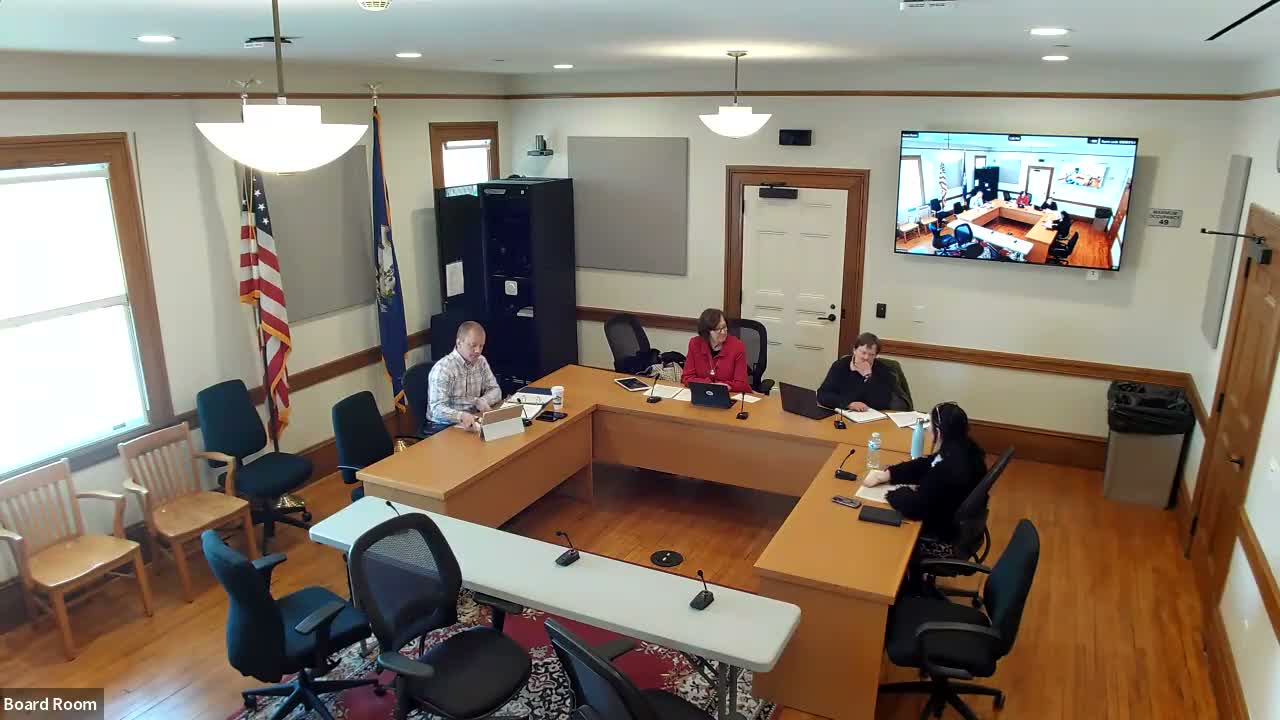
New Canaan — Anne Kelly Lenz, the town’s chief financial officer, told the Charter Revision Commission on Feb. 12 that strict, charter-level timelines for municipal external audits risk leaving the town unable to meet state filing deadlines.
Lenz, who has been New Canaan’s CFO for four years and has worked in municipal finance for more than two decades, said the town closes its fiscal year on June 30 and must wait for the Board of Education’s 60-day closing before it can begin finalizing town books. “The earliest we can start closing our final books is the September,” she said, adding auditors typically need “4 to 6 weeks” to complete testing and return reports for committee review, which compresses the schedule toward the December filing window.
Why it matters: The commission is reviewing Article 5, the charter section governing finances and the audit committee. Lenz said placing a rigid timeline in the charter — rather than leaving timing to ordinance, code, or administrative rules — could leave New Canaan exposed if auditors or audit firms are understaffed or if town staffing changes. She noted that the state has “come up with a new tier system” that can require retraining or other sanctions when towns miss filing deadlines.
Lenz recommended the commission consider whether the audit committee’s composition or specific timeline belongs in the charter or should instead be defined in an ordinance or administrative procedure that can be adjusted as practical conditions change. “If we become so restrictive in timelines with our audit that we may not attain it,” she said, “that pressure is going to put on the town.”
What’s next: The commission flagged multiple charter clauses for redrafting to avoid unintentionally binding the town to statutory timing that may change and to preserve options for emergency adjustments. Commissioners asked staff to compare charter text with state statute and local ordinances before proposing final language.
Quoted: “There are a lot of towns that are not getting their audits filed in time,” Lenz said, summarizing state-wide capacity pressures and the rationale for avoiding inflexible charter deadlines.
End note: The commission continues review of Article 5; no charter amendment was proposed or voted on during the interview.
Lenz, who has been New Canaan’s CFO for four years and has worked in municipal finance for more than two decades, said the town closes its fiscal year on June 30 and must wait for the Board of Education’s 60-day closing before it can begin finalizing town books. “The earliest we can start closing our final books is the September,” she said, adding auditors typically need “4 to 6 weeks” to complete testing and return reports for committee review, which compresses the schedule toward the December filing window.
Why it matters: The commission is reviewing Article 5, the charter section governing finances and the audit committee. Lenz said placing a rigid timeline in the charter — rather than leaving timing to ordinance, code, or administrative rules — could leave New Canaan exposed if auditors or audit firms are understaffed or if town staffing changes. She noted that the state has “come up with a new tier system” that can require retraining or other sanctions when towns miss filing deadlines.
Lenz recommended the commission consider whether the audit committee’s composition or specific timeline belongs in the charter or should instead be defined in an ordinance or administrative procedure that can be adjusted as practical conditions change. “If we become so restrictive in timelines with our audit that we may not attain it,” she said, “that pressure is going to put on the town.”
What’s next: The commission flagged multiple charter clauses for redrafting to avoid unintentionally binding the town to statutory timing that may change and to preserve options for emergency adjustments. Commissioners asked staff to compare charter text with state statute and local ordinances before proposing final language.
Quoted: “There are a lot of towns that are not getting their audits filed in time,” Lenz said, summarizing state-wide capacity pressures and the rationale for avoiding inflexible charter deadlines.
End note: The commission continues review of Article 5; no charter amendment was proposed or voted on during the interview.
Don't Miss a Word: See the Full Meeting!
Go beyond summaries. Unlock every video, transcript, and key insight with a Founder Membership.
✓
Get instant access to full meeting videos
✓
Search and clip any phrase from complete transcripts
✓
Receive AI-powered summaries & custom alerts
✓
Enjoy lifetime, unrestricted access to government data
30-day money-back guarantee
