President says U.S. is "working together" with Venezuela, discusses oil and recognition
February 13, 2026 | Department of State, Executive, Federal
This article was created by AI summarizing key points discussed. AI makes mistakes, so for full details and context, please refer to the video of the full meeting. Please report any errors so we can fix them. Report an error »
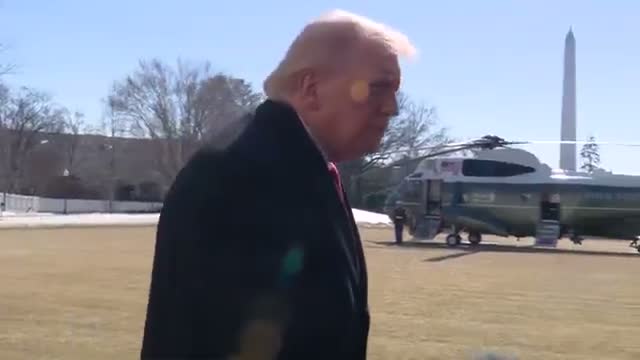
Reporters asked a series of foreign-policy questions that ranged from potential military action to recognition of foreign governments. On Venezuela, a reporter asked, "On Venezuela, will you be recognizing Delphi Rodriguez's government as the official government of Venezuela?" The President replied, "Now we have done that. We're dealing with them," and described relations as "strong," saying, "The oil is coming out, and a lot of money is being paid for oil by other nations."
He said U.S. oil companies would be operating and that "Venezuela is gonna get a big part of that money," and described the bilateral relationship as strong, adding, "She's done Delphi's done a very, very good job."
The briefing also included comments about NATO and the Munich Security Conference — the President said the U.S. has a "very good relationship with NATO" and claimed that, "If it wasn't for me, they'd be paying 2% and not paying. Instead, they're paying 5%." He also said the U.S. was "negotiating right now for Greenland."
Why it matters: Recognition of a foreign government and reengagement on trade or energy can have diplomatic and commercial consequences. The President's remarks signal formal engagement with Venezuela and a role for U.S. firms in energy operations, but the briefing did not include legal texts, agreements or timelines for recognition or commercial activity.
What remains unclear: The briefing did not provide details about the legal or diplomatic steps taken to recognize the Venezuelan government, commercial contracts, or oversight of U.S. company involvement. Independent confirmation from the Department of State or relevant agencies was not provided on the record in the briefing.
Next steps: Formal diplomatic statements or agency releases from the Department of State, Commerce or Treasury would be the appropriate sources for verification and details on recognition or commercial arrangements.
He said U.S. oil companies would be operating and that "Venezuela is gonna get a big part of that money," and described the bilateral relationship as strong, adding, "She's done Delphi's done a very, very good job."
The briefing also included comments about NATO and the Munich Security Conference — the President said the U.S. has a "very good relationship with NATO" and claimed that, "If it wasn't for me, they'd be paying 2% and not paying. Instead, they're paying 5%." He also said the U.S. was "negotiating right now for Greenland."
Why it matters: Recognition of a foreign government and reengagement on trade or energy can have diplomatic and commercial consequences. The President's remarks signal formal engagement with Venezuela and a role for U.S. firms in energy operations, but the briefing did not include legal texts, agreements or timelines for recognition or commercial activity.
What remains unclear: The briefing did not provide details about the legal or diplomatic steps taken to recognize the Venezuelan government, commercial contracts, or oversight of U.S. company involvement. Independent confirmation from the Department of State or relevant agencies was not provided on the record in the briefing.
Next steps: Formal diplomatic statements or agency releases from the Department of State, Commerce or Treasury would be the appropriate sources for verification and details on recognition or commercial arrangements.
View the Full Meeting & All Its Details
This article offers just a summary. Unlock complete video, transcripts, and insights as a Founder Member.
✓
Watch full, unedited meeting videos
✓
Search every word spoken in unlimited transcripts
✓
AI summaries & real-time alerts (all government levels)
✓
Permanent access to expanding government content
30-day money-back guarantee
