PUC flags broad language, practical hurdles in bill to expand medical protections from utility disconnection
February 13, 2026 | Environment & Energy, HOUSE OF REPRESENTATIVES, Committees, Legislative , Vermont
This article was created by AI summarizing key points discussed. AI makes mistakes, so for full details and context, please refer to the video of the full meeting. Please report any errors so we can fix them. Report an error »
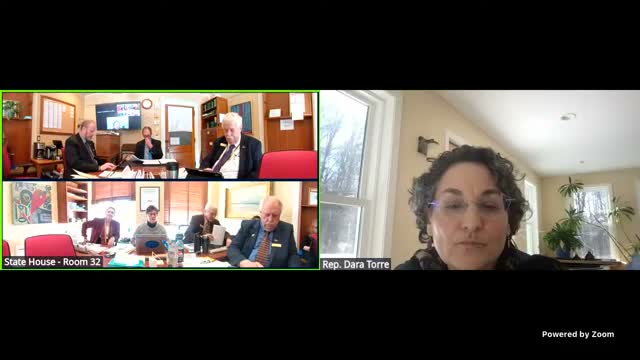
On Feb. 13 the Health, Energy and Digital Infrastructure Committee heard from the Vermont Public Utility Commission on H.753, which would revise disconnection protections and PUC rule 3.3.
Greg Taylor of the PUC said a major change in the bill would allow "other licensed health care providers" — for example, nurse practitioners or physician assistants, as sponsors intended — to provide medical certificates that prevent utility disconnection. Taylor warned the phrase is broad and unspecified: it "could include a lot of folks" and the PUC recommended clearer statutory language or limits so staff and utilities know which licenses qualify.
The bill would also allow a doctor’s (or eligible provider’s) certificate to remain in effect indefinitely unless the PUC rules otherwise. Taylor expressed concern about the PUC’s authority to second‑guess medical determinations: "On what basis is the PUC overruling a doctor? We have no medical expertise," he asked, urging clearer parameters in statute and refinement in the PUC’s rules.
Committee members said the sponsor intended to reduce burdens on chronically ill customers by uncoupling protections from the 30‑day renewal window and to allow PAs and nurse practitioners to sign notes. Members also raised practical concerns about primary care shortages and whether customers could realistically obtain timely certificates.
PUC staff described the existing disconnection timeline and notice requirements in rule 3.3 and noted that practice differs by utility; committee discussion referenced an operational window resulting in a potential disconnect roughly 23 days after a bill becomes past due in some utility operations. PUC advised the committee that formal rulemaking or contested‑case proceedings to change notice timelines can be lengthy (often more than a year) and suggested the committee could instead simply require utilities to file plans or policies rather than trigger a separate PUC rulemaking.
The bill also proposes a strategic plan requirement to reduce prudent disconnections and an extreme‑heat exception; PUC said utilities commonly hold off disconnects in extreme heat and indicated that adding heat protections is feasible. The PUC cautioned that small private water companies are often outside its jurisdiction, so adding water requirements may not reach intended targets.
The committee requested follow‑up details from the PUC and agreed to continue drafting discussions.
The hearing ended without final action; PUC staff agreed to provide clarifying drafting language to address definitions and rule interactions.
Greg Taylor of the PUC said a major change in the bill would allow "other licensed health care providers" — for example, nurse practitioners or physician assistants, as sponsors intended — to provide medical certificates that prevent utility disconnection. Taylor warned the phrase is broad and unspecified: it "could include a lot of folks" and the PUC recommended clearer statutory language or limits so staff and utilities know which licenses qualify.
The bill would also allow a doctor’s (or eligible provider’s) certificate to remain in effect indefinitely unless the PUC rules otherwise. Taylor expressed concern about the PUC’s authority to second‑guess medical determinations: "On what basis is the PUC overruling a doctor? We have no medical expertise," he asked, urging clearer parameters in statute and refinement in the PUC’s rules.
Committee members said the sponsor intended to reduce burdens on chronically ill customers by uncoupling protections from the 30‑day renewal window and to allow PAs and nurse practitioners to sign notes. Members also raised practical concerns about primary care shortages and whether customers could realistically obtain timely certificates.
PUC staff described the existing disconnection timeline and notice requirements in rule 3.3 and noted that practice differs by utility; committee discussion referenced an operational window resulting in a potential disconnect roughly 23 days after a bill becomes past due in some utility operations. PUC advised the committee that formal rulemaking or contested‑case proceedings to change notice timelines can be lengthy (often more than a year) and suggested the committee could instead simply require utilities to file plans or policies rather than trigger a separate PUC rulemaking.
The bill also proposes a strategic plan requirement to reduce prudent disconnections and an extreme‑heat exception; PUC said utilities commonly hold off disconnects in extreme heat and indicated that adding heat protections is feasible. The PUC cautioned that small private water companies are often outside its jurisdiction, so adding water requirements may not reach intended targets.
The committee requested follow‑up details from the PUC and agreed to continue drafting discussions.
The hearing ended without final action; PUC staff agreed to provide clarifying drafting language to address definitions and rule interactions.
Don't Miss a Word: See the Full Meeting!
Go beyond summaries. Unlock every video, transcript, and key insight with a Founder Membership.
✓
Get instant access to full meeting videos
✓
Search and clip any phrase from complete transcripts
✓
Receive AI-powered summaries & custom alerts
✓
Enjoy lifetime, unrestricted access to government data
30-day money-back guarantee
