Committee debates nonrenewal, notice lengths and modest relocation aid in competing housing bills
February 12, 2026 | General & Housing, HOUSE OF REPRESENTATIVES, Committees, Legislative , Vermont
This article was created by AI summarizing key points discussed. AI makes mistakes, so for full details and context, please refer to the video of the full meeting. Please report any errors so we can fix them. Report an error »
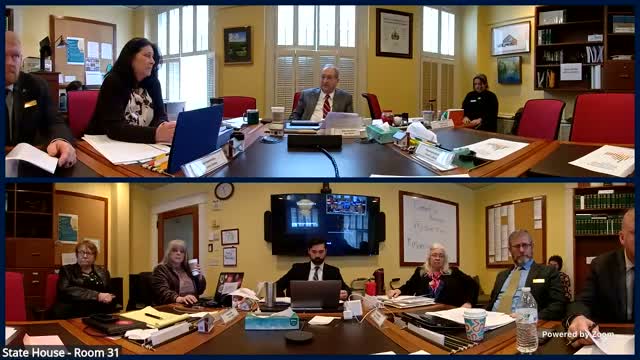
During the same session the committee examined competing approaches to nonrenewal, notice periods and tenant protections in drafts referred to in the discussion as 440, 339 and 772.
The Chair and multiple members described the central policy divide: one set of drafts (for example, 440 as discussed in the meeting) includes a probationary period (six months in 440) after which tenants who pay rent and do not materially breach the lease cannot be removed solely because the lease expired; the other draft (772 as discussed) preserves broader landlord nonrenewal rights but adds notice and, in some cases, relocation assistance for specified landlord-initiated conversions or renovations.
A committee member advocating for tenant protections argued the intent of 440 grew out of community advocacy and emphasized the need for clear written notices so renters (including people with limited literacy or disabilities) understand their status. That member said relocation payments should be modest and typically could be covered from existing security deposits in many cases.
The Chair described compromise elements the committee favored: (1) retain landlord ability to nonrenew when necessary but require substantial written notice (examples discussed included 60 or 90 days, scaled by tenancy length), (2) adopt limited relocation assistance for conversions or major renovations (the Chair suggested capping relocation aid at one month’s rent), and (3) constrain rent increases on sale by linking permitted increases to documented cost changes rather than an across-the-board CPI formula.
Members asked counsel to draft a revised 772 that would import selected protections from 440, clarify probationary periods, and articulate the cost-based approach for sales. The committee did not take a formal vote; it gave direction to counsel and asked for sheriff input on eviction timing before returning to the package for further markup.
The Chair and multiple members described the central policy divide: one set of drafts (for example, 440 as discussed in the meeting) includes a probationary period (six months in 440) after which tenants who pay rent and do not materially breach the lease cannot be removed solely because the lease expired; the other draft (772 as discussed) preserves broader landlord nonrenewal rights but adds notice and, in some cases, relocation assistance for specified landlord-initiated conversions or renovations.
A committee member advocating for tenant protections argued the intent of 440 grew out of community advocacy and emphasized the need for clear written notices so renters (including people with limited literacy or disabilities) understand their status. That member said relocation payments should be modest and typically could be covered from existing security deposits in many cases.
The Chair described compromise elements the committee favored: (1) retain landlord ability to nonrenew when necessary but require substantial written notice (examples discussed included 60 or 90 days, scaled by tenancy length), (2) adopt limited relocation assistance for conversions or major renovations (the Chair suggested capping relocation aid at one month’s rent), and (3) constrain rent increases on sale by linking permitted increases to documented cost changes rather than an across-the-board CPI formula.
Members asked counsel to draft a revised 772 that would import selected protections from 440, clarify probationary periods, and articulate the cost-based approach for sales. The committee did not take a formal vote; it gave direction to counsel and asked for sheriff input on eviction timing before returning to the package for further markup.
View the Full Meeting & All Its Details
This article offers just a summary. Unlock complete video, transcripts, and insights as a Founder Member.
✓
Watch full, unedited meeting videos
✓
Search every word spoken in unlimited transcripts
✓
AI summaries & real-time alerts (all government levels)
✓
Permanent access to expanding government content
30-day money-back guarantee
