Lech Wałęsa named "ambassador for the freedom of Cuba" at Cuban diaspora museum event
This article was created by AI summarizing key points discussed. AI makes mistakes, so for full details and context, please refer to the video of the full meeting. Please report any errors so we can fix them. Report an error »
Lech Wałęsa, the Nobel Peace Prize laureate and Poland’s first democratically elected president after the fall of the socialist bloc, was named "embajador por la libertad de Cuba" by El Museo Americano de la diáspora cubana at a ceremony where Cuban dissidents were honored.
Organizers said the award recognized Wałęsa’s long record in defense of democracy, human rights and the rule of law, and his symbolic support for Cubans who advocate for political change. "El galardón fue entregado por José Daniel Ferrer, líder de la Unión Patriótica de Cuba, junto al expreso político Ángel de Fana," an event speaker reported.
The program repeatedly drew parallels between Poland’s transition away from communism and the aspirations of Cuban dissidents. An unnamed speaker emphasized that the most difficult phase is not obtaining freedom but managing the period after a regime change: "Tener un líder como el cual es aquí es sumamente importante porque mucho de lo que pasó a los polacos es lo que nosotros vamos a tratar de enfrentar ... la parte más difícil no es la libertad que va a venir ahora, pero lo que viene después, la transición," the speaker said.
Speakers at the event also called attention to the role of long-term organization and unity. The award was presented onstage by José Daniel Ferrer and Ángel de Fana; another moment in the program invited Luis Zúñiga forward and referred to him as one of "nuestros héroes cubanos." The ceremony underscored symbolic international solidarity rather than announcing any formal policy action.
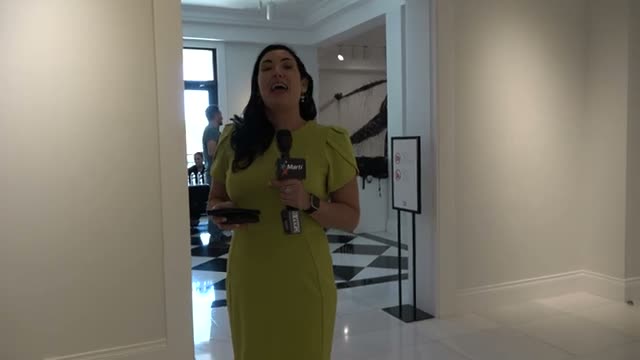
The event concluded with a reaffirmation of ties between Eastern European dissidents and Cuban activists. Yaima Pardo of Martí Noticias is credited in the program’s closing report.
No formal votes or policy decisions were taken at the ceremony; organizers characterized the presentation as a symbolic honor and a gesture of solidarity.
Organizers said the award recognized Wałęsa’s long record in defense of democracy, human rights and the rule of law, and his symbolic support for Cubans who advocate for political change. "El galardón fue entregado por José Daniel Ferrer, líder de la Unión Patriótica de Cuba, junto al expreso político Ángel de Fana," an event speaker reported.
The program repeatedly drew parallels between Poland’s transition away from communism and the aspirations of Cuban dissidents. An unnamed speaker emphasized that the most difficult phase is not obtaining freedom but managing the period after a regime change: "Tener un líder como el cual es aquí es sumamente importante porque mucho de lo que pasó a los polacos es lo que nosotros vamos a tratar de enfrentar ... la parte más difícil no es la libertad que va a venir ahora, pero lo que viene después, la transición," the speaker said.
Speakers at the event also called attention to the role of long-term organization and unity. The award was presented onstage by José Daniel Ferrer and Ángel de Fana; another moment in the program invited Luis Zúñiga forward and referred to him as one of "nuestros héroes cubanos." The ceremony underscored symbolic international solidarity rather than announcing any formal policy action.
The event concluded with a reaffirmation of ties between Eastern European dissidents and Cuban activists. Yaima Pardo of Martí Noticias is credited in the program’s closing report.
No formal votes or policy decisions were taken at the ceremony; organizers characterized the presentation as a symbolic honor and a gesture of solidarity.
Don't Miss a Word: See the Full Meeting!
Go beyond summaries. Unlock every video, transcript, and key insight with a Founder Membership.
✓
Get instant access to full meeting videos
✓
Search and clip any phrase from complete transcripts
✓
Receive AI-powered summaries & custom alerts
✓
Enjoy lifetime, unrestricted access to government data
30-day money-back guarantee
