Utah Senate debates voting amendments tightening citizenship verification; measure tabled on third for fiscal review
February 12, 2026 | 2026 Utah Legislature, Utah Legislature, Utah Legislative Branch, Utah
This article was created by AI summarizing key points discussed. AI makes mistakes, so for full details and context, please refer to the video of the full meeting. Please report any errors so we can fix them. Report an error »
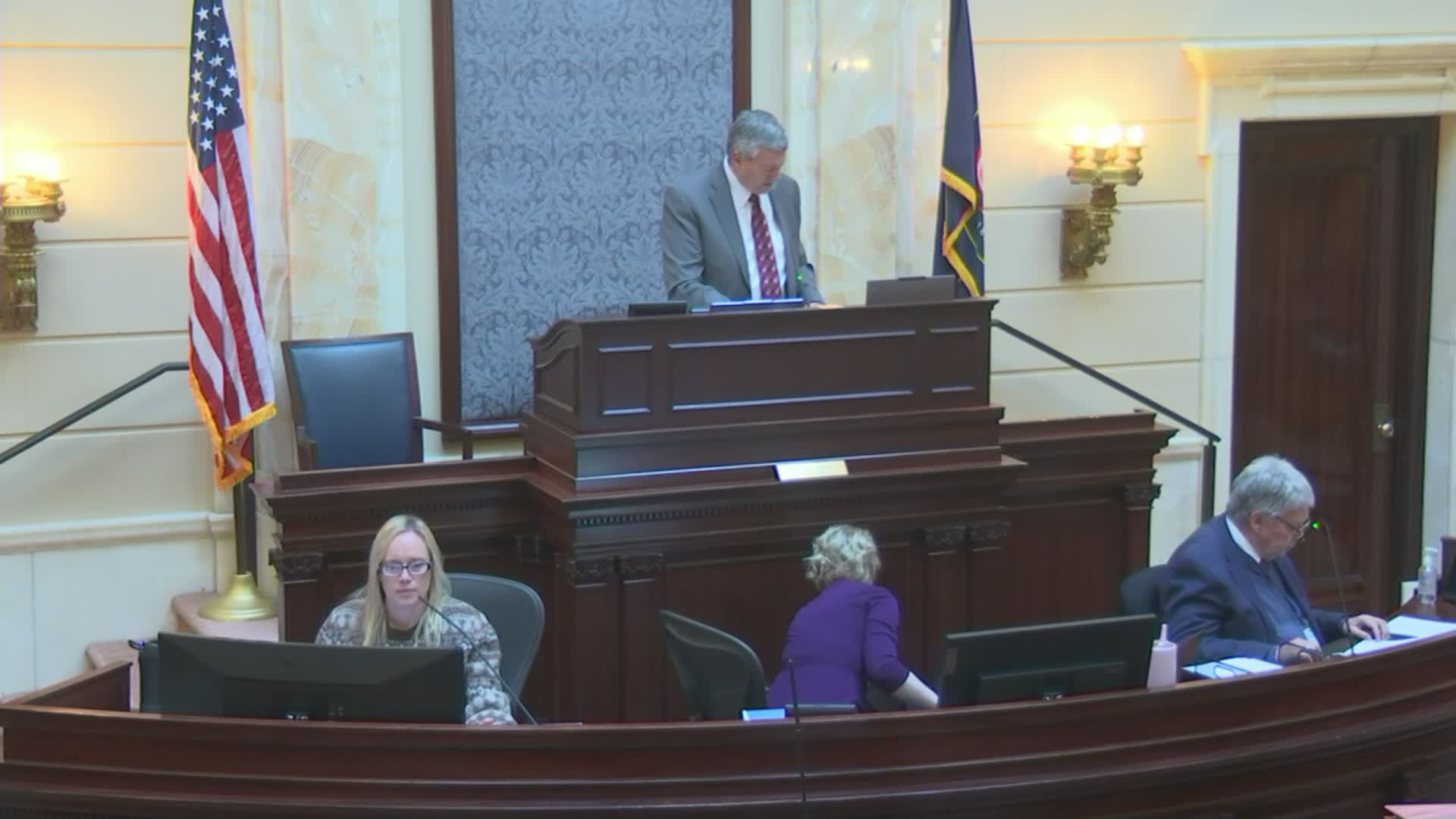
Senator Winterton introduced third substitute House Bill 209 as a measure to clarify how county clerks and the lieutenant governor determine citizenship and residency for voting purposes. Winterton said the bill "provides clearness and fairness" and argued that a number of documentary options are available for voters to prove eligibility.
Supporters described the bill as a way to tighten verification where the rolls have incomplete information. Senator Musselman said the proposal "creates a verification mechanism rather than pure attestation" and argued it aligns state practice with constitutional requirements. Senator Wyler said the sponsor worked with the Elections Office to address implementation questions.
Opponents warned of burdens on certain voters. Senator Reby raised concerns that the bill could disproportionately affect women who change names after marriage and older residents without current identification, calling it "disenfranchising" for some voters. Senator Blueen objected on fiscal grounds, saying the bill "is gonna spend hundreds of thousands of dollars to address a problem that we have seen 1 time" and urged colleagues to consider the cost.
After extended debate, the Senate called the third reading but later voted to table third substitute House Bill 209 on third for fiscal impact. Sponsors said the bill does not affect federal ballots and that current registrants would not need to re-prove citizenship, but opponents remained concerned about access and administrative cost.
Supporters described the bill as a way to tighten verification where the rolls have incomplete information. Senator Musselman said the proposal "creates a verification mechanism rather than pure attestation" and argued it aligns state practice with constitutional requirements. Senator Wyler said the sponsor worked with the Elections Office to address implementation questions.
Opponents warned of burdens on certain voters. Senator Reby raised concerns that the bill could disproportionately affect women who change names after marriage and older residents without current identification, calling it "disenfranchising" for some voters. Senator Blueen objected on fiscal grounds, saying the bill "is gonna spend hundreds of thousands of dollars to address a problem that we have seen 1 time" and urged colleagues to consider the cost.
After extended debate, the Senate called the third reading but later voted to table third substitute House Bill 209 on third for fiscal impact. Sponsors said the bill does not affect federal ballots and that current registrants would not need to re-prove citizenship, but opponents remained concerned about access and administrative cost.
Don't Miss a Word: See the Full Meeting!
Go beyond summaries. Unlock every video, transcript, and key insight with a Founder Membership.
✓
Get instant access to full meeting videos
✓
Search and clip any phrase from complete transcripts
✓
Receive AI-powered summaries & custom alerts
✓
Enjoy lifetime, unrestricted access to government data
30-day money-back guarantee
