Committee draft would loosen ad rules, bar THC content claims and leave out‑of‑state ads largely outside state reach
February 13, 2026 | Economic Development, Housing & General Affairs, SENATE, Committees, Legislative , Vermont
This article was created by AI summarizing key points discussed. AI makes mistakes, so for full details and context, please refer to the video of the full meeting. Please report any errors so we can fix them. Report an error »
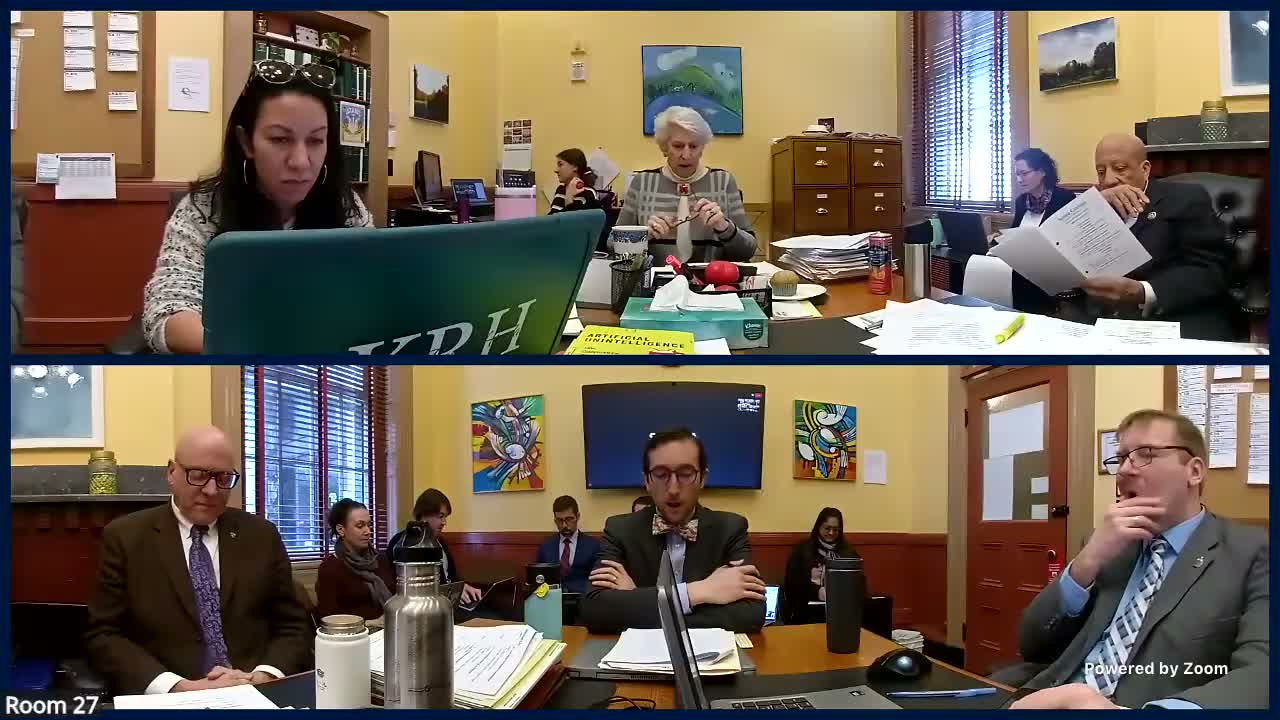
Legislative counsel Tucker Anderson told the Economic Development, Housing & General Affairs Committee that the draft amendment would relax some advertising restrictions for Vermont cannabis establishments while tightening others. "This amendment clarifies changes ... the cannabis establishment shall not place a paid advertisement in any third‑party media unless the licensee can show that not more than 30% of the audience is reasonably expected to be under 21," Anderson said, describing a rise from the current 15% threshold.
The amendment removes a requirement that all advertisements be submitted to the board for preapproval, replacing it with prohibitions similar to those applied to alcoholic beverages. Anderson said the bill would also bar cannabis establishments from stating THC content or promoting products as higher in THC than competitors in any advertisement.
Committee members raised concerns that retailers and growers from neighboring states are advertising into Vermont audiences via newspapers, radio and social media geo‑targeting. James Pepper, identified for the record as speaking on behalf of the cannabis regulator, said the board has limited enforcement authority over out‑of‑state licensees and typically alerts the out‑of‑state regulator rather than taking direct action. "We generally, when we see this, reach out to New York, their office of cannabis management, and just alert them to this," Pepper said.
Members asked staff whether the 30% audience threshold mirrors alcohol regulation; Anderson confirmed the threshold aligns with comparable rules for alcoholic beverages. Lawmakers pressed for additional analysis on whether removing ad preapproval and banning THC content statements would change industry behavior or create enforcement gaps.
The committee asked the Cannabis Control Board and staff to provide comparative materials on advertising rules and enforcement practices in neighboring states, and to model potential impacts on compliance and revenue. The committee did not vote on the amendment during the session; members requested follow‑up testimony.
The next procedural step is for staff and the board to return with requested data and comparison charts before any final drafting or committee vote.
The amendment removes a requirement that all advertisements be submitted to the board for preapproval, replacing it with prohibitions similar to those applied to alcoholic beverages. Anderson said the bill would also bar cannabis establishments from stating THC content or promoting products as higher in THC than competitors in any advertisement.
Committee members raised concerns that retailers and growers from neighboring states are advertising into Vermont audiences via newspapers, radio and social media geo‑targeting. James Pepper, identified for the record as speaking on behalf of the cannabis regulator, said the board has limited enforcement authority over out‑of‑state licensees and typically alerts the out‑of‑state regulator rather than taking direct action. "We generally, when we see this, reach out to New York, their office of cannabis management, and just alert them to this," Pepper said.
Members asked staff whether the 30% audience threshold mirrors alcohol regulation; Anderson confirmed the threshold aligns with comparable rules for alcoholic beverages. Lawmakers pressed for additional analysis on whether removing ad preapproval and banning THC content statements would change industry behavior or create enforcement gaps.
The committee asked the Cannabis Control Board and staff to provide comparative materials on advertising rules and enforcement practices in neighboring states, and to model potential impacts on compliance and revenue. The committee did not vote on the amendment during the session; members requested follow‑up testimony.
The next procedural step is for staff and the board to return with requested data and comparison charts before any final drafting or committee vote.
Don't Miss a Word: See the Full Meeting!
Go beyond summaries. Unlock every video, transcript, and key insight with a Founder Membership.
✓
Get instant access to full meeting videos
✓
Search and clip any phrase from complete transcripts
✓
Receive AI-powered summaries & custom alerts
✓
Enjoy lifetime, unrestricted access to government data
30-day money-back guarantee
