Committee amends and advances bill encouraging longer lunches and recess‑first scheduling
February 12, 2026 | 2026 Utah Legislature, Utah Legislature, Utah Legislative Branch, Utah
This article was created by AI summarizing key points discussed. AI makes mistakes, so for full details and context, please refer to the video of the full meeting. Please report any errors so we can fix them. Report an error »
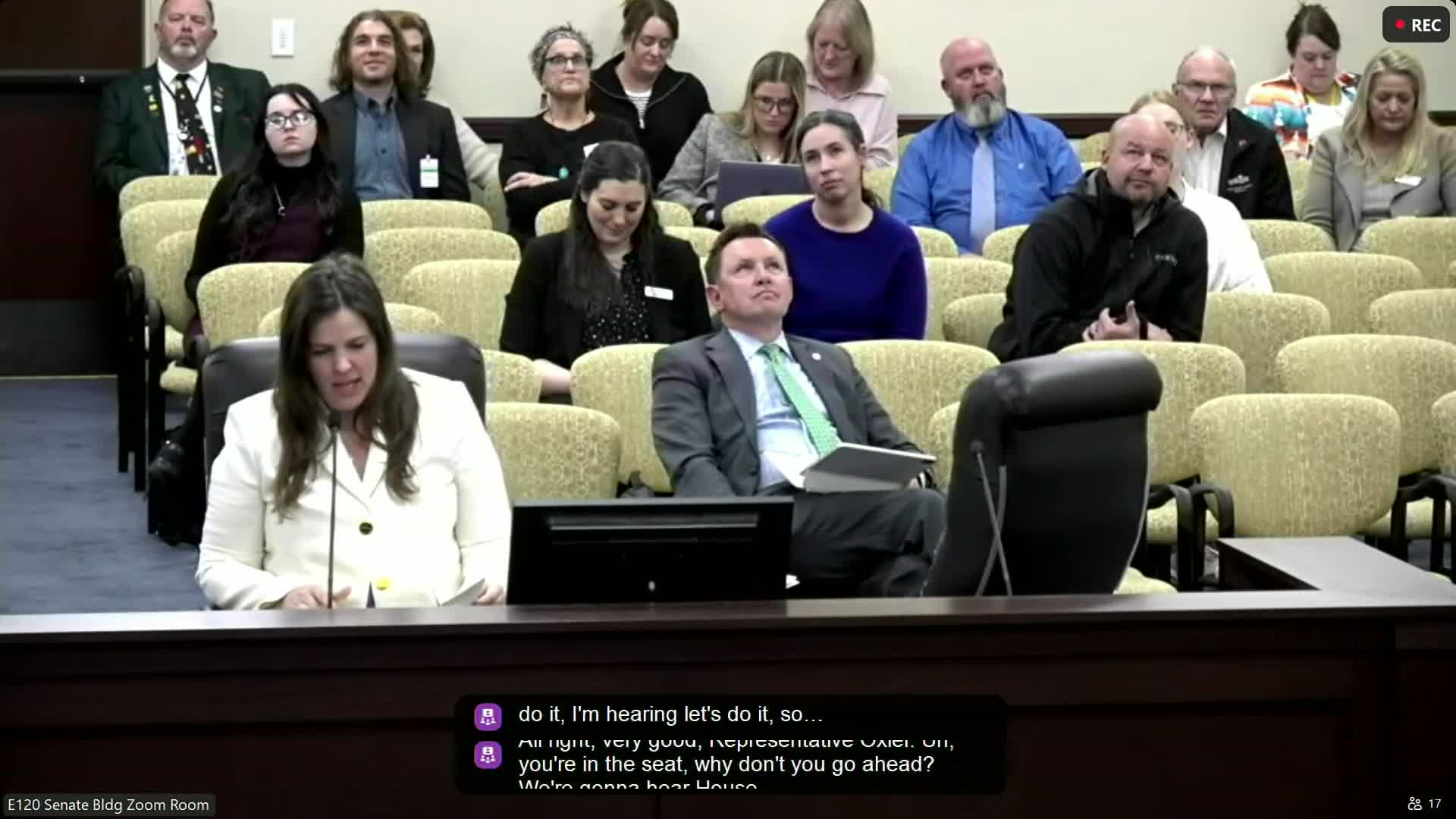
Representative Auxier presented HB440, a first substitute that asks school community councils to review local lunch scheduling and develop plans to move toward evidence‑based mealtime practices — notably a target that students have approximately 20 minutes to eat and consideration of recess‑before‑lunch models.
The sponsor framed the bill as local problem‑solving: schools would meet annually to compare their policies with USBE guidance and local conditions and identify small changes — for example, staggering lines, adding service points, or moving recess earlier — to increase actual eating time and reduce food waste. The sponsor cited research and examples (a Provo school reporting less wasted milk after implementing recess before lunch).
Supporters included child‑nutrition advocates, local therapists and parents who said longer seated eating time and protected recess improve nutrition and classroom readiness. Neil Rickard of Utahns Against Hunger and several school social workers urged the committee to address the problem of rushed meals and the equity implications of students missing their primary meal.
Opponents and district officials urged clearer, less prescriptive language about roles and reporting. Granite School District Superintendent Ben Horsley said the intent is good but warned the bill, as drafted, could create additional reporting burdens on principals and community councils; USSA/USBA said district sizes and local schedules vary widely.
The committee adopted two sponsor‑and‑committee amendments (including a recess‑consequence carve‑out and language clarifying council/principal roles) and recommended HB440 favorably (committee vote recorded 7–5). Several members said they would continue to refine language ahead of floor debate to preserve local control while encouraging best practices.
What happens next: HB440 proceeds with committee amendments; sponsors signaled further cleanup on reporting wording and local implementation prior to floor consideration.
The sponsor framed the bill as local problem‑solving: schools would meet annually to compare their policies with USBE guidance and local conditions and identify small changes — for example, staggering lines, adding service points, or moving recess earlier — to increase actual eating time and reduce food waste. The sponsor cited research and examples (a Provo school reporting less wasted milk after implementing recess before lunch).
Supporters included child‑nutrition advocates, local therapists and parents who said longer seated eating time and protected recess improve nutrition and classroom readiness. Neil Rickard of Utahns Against Hunger and several school social workers urged the committee to address the problem of rushed meals and the equity implications of students missing their primary meal.
Opponents and district officials urged clearer, less prescriptive language about roles and reporting. Granite School District Superintendent Ben Horsley said the intent is good but warned the bill, as drafted, could create additional reporting burdens on principals and community councils; USSA/USBA said district sizes and local schedules vary widely.
The committee adopted two sponsor‑and‑committee amendments (including a recess‑consequence carve‑out and language clarifying council/principal roles) and recommended HB440 favorably (committee vote recorded 7–5). Several members said they would continue to refine language ahead of floor debate to preserve local control while encouraging best practices.
What happens next: HB440 proceeds with committee amendments; sponsors signaled further cleanup on reporting wording and local implementation prior to floor consideration.
Don't Miss a Word: See the Full Meeting!
Go beyond summaries. Unlock every video, transcript, and key insight with a Founder Membership.
✓
Get instant access to full meeting videos
✓
Search and clip any phrase from complete transcripts
✓
Receive AI-powered summaries & custom alerts
✓
Enjoy lifetime, unrestricted access to government data
30-day money-back guarantee
