DFR backs S.198’s reference-based pricing, urges transparency for hospital outsourcing
February 12, 2026 | Health & Welfare, SENATE, Committees, Legislative , Vermont
This article was created by AI summarizing key points discussed. AI makes mistakes, so for full details and context, please refer to the video of the full meeting. Please report any errors so we can fix them. Report an error »
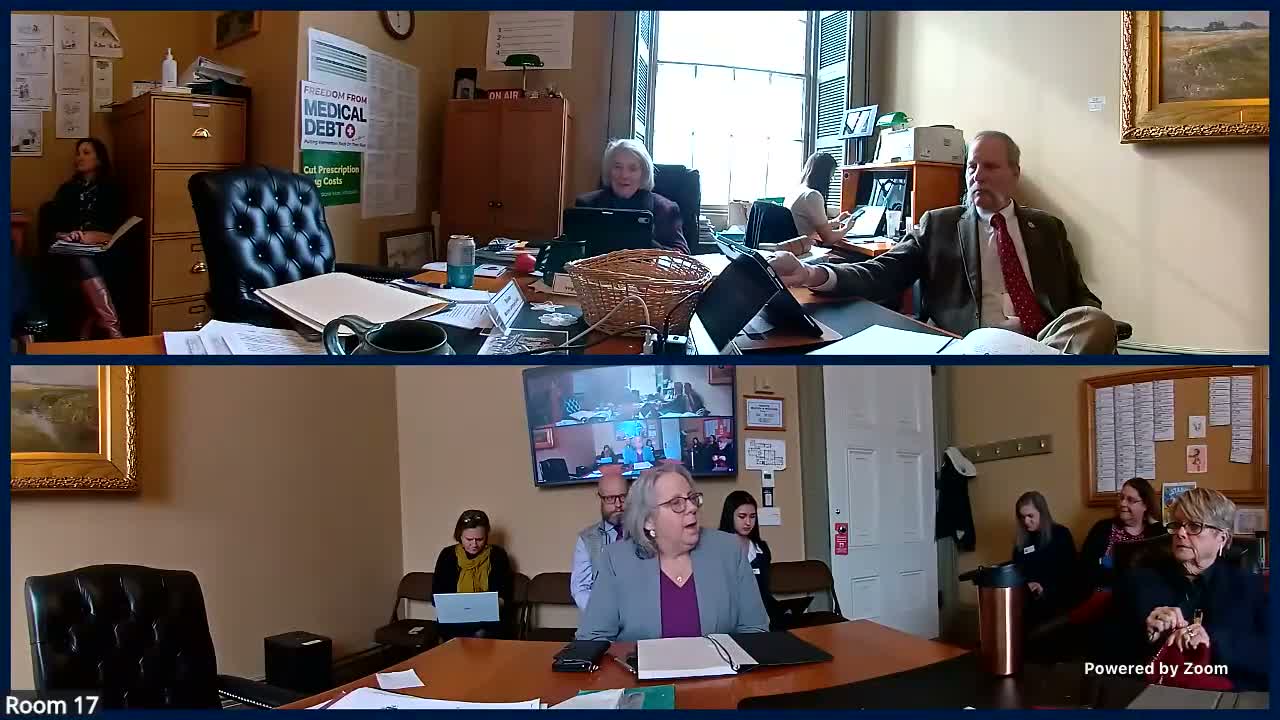
Mary Block, deputy commissioner of insurance at the Vermont Department of Financial Regulation, told the Senate Health & Welfare Committee on Feb. 11 that the agency had "absolutely no objection to S.198" and supports reference‑based pricing while stressing the need for transparency when hospitals outsource services.
"We believe outsourcing can be very valuable … but it needs to be transparent, and it needs to be — there needs to be accountability," Block said during her opening remarks. She said outsourcing should not allow hospitals to "advocate their responsibility" away: when a vendor acts for a hospital, the same transparency and standards should apply to the vendor as to the hospital.
Why it matters: S.198 includes provisions affecting how prices are referenced for insurer claims and sets standards for hospital contracting and oversight. Block warned that lack of transparency in outsourcing could undermine other state efforts to manage health care costs, including rate orders and budget controls the Care Board and DFR use to contain spending.
Block also addressed enforcement and review powers in the bill. She described the bill’s appeals structure — including DFR orders going directly to the State Supreme Court — as comparable to other agencies’ review pathways, and emphasized the importance of DFR’s audit authority to "dig deep and ask those questions" during insurer exams.
On practical operations, Block said the Care Board had not yet engaged DFR on preliminary reference‑pricing work but that DFR expects to be involved when the board develops contract language and implementation details. "When it comes to thinking about how insurers are going to process those claims with reference‑based prices … we'll be more involved in conversations with the Care Board," she said, adding that those arrangements will then be subject to audit as part of insurer examinations.
Block flagged one unresolved issue for the committee: potential impacts on provider taxes. "One of the concerns that sort of bridles along with the outsourcing is what happens to our provider taxes," she said, calling it "a big question" the committee will need to sort out.
On the scope of insurer exams, Block gave operational context: exams vary by insurer size and complexity, can cost from roughly $50,000 to $300,000–$400,000, and some complex reviews can take nearly a year to complete. She said DFR contracts for some resources, charges back costs to insurers, and uses exams as a tool to ensure compliance.
Next steps: Committee members said they planned to hear from the Care Board and hospitals in future hearings as language and implementation details are developed. The committee did not take a vote during this session.
"We believe outsourcing can be very valuable … but it needs to be transparent, and it needs to be — there needs to be accountability," Block said during her opening remarks. She said outsourcing should not allow hospitals to "advocate their responsibility" away: when a vendor acts for a hospital, the same transparency and standards should apply to the vendor as to the hospital.
Why it matters: S.198 includes provisions affecting how prices are referenced for insurer claims and sets standards for hospital contracting and oversight. Block warned that lack of transparency in outsourcing could undermine other state efforts to manage health care costs, including rate orders and budget controls the Care Board and DFR use to contain spending.
Block also addressed enforcement and review powers in the bill. She described the bill’s appeals structure — including DFR orders going directly to the State Supreme Court — as comparable to other agencies’ review pathways, and emphasized the importance of DFR’s audit authority to "dig deep and ask those questions" during insurer exams.
On practical operations, Block said the Care Board had not yet engaged DFR on preliminary reference‑pricing work but that DFR expects to be involved when the board develops contract language and implementation details. "When it comes to thinking about how insurers are going to process those claims with reference‑based prices … we'll be more involved in conversations with the Care Board," she said, adding that those arrangements will then be subject to audit as part of insurer examinations.
Block flagged one unresolved issue for the committee: potential impacts on provider taxes. "One of the concerns that sort of bridles along with the outsourcing is what happens to our provider taxes," she said, calling it "a big question" the committee will need to sort out.
On the scope of insurer exams, Block gave operational context: exams vary by insurer size and complexity, can cost from roughly $50,000 to $300,000–$400,000, and some complex reviews can take nearly a year to complete. She said DFR contracts for some resources, charges back costs to insurers, and uses exams as a tool to ensure compliance.
Next steps: Committee members said they planned to hear from the Care Board and hospitals in future hearings as language and implementation details are developed. The committee did not take a vote during this session.
View the Full Meeting & All Its Details
This article offers just a summary. Unlock complete video, transcripts, and insights as a Founder Member.
✓
Watch full, unedited meeting videos
✓
Search every word spoken in unlimited transcripts
✓
AI summaries & real-time alerts (all government levels)
✓
Permanent access to expanding government content
30-day money-back guarantee
