Public-safety subcommittee advances range of bills, including cannabis tax changes and prison education task force
February 12, 2026 | 2026 Legislature VA, Virginia
This article was created by AI summarizing key points discussed. AI makes mistakes, so for full details and context, please refer to the video of the full meeting. Please report any errors so we can fix them. Report an error »
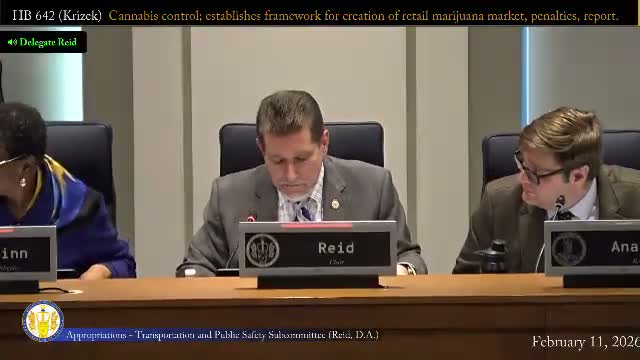
The Public safety subcommittee for appropriations reported and advanced a series of public-safety bills, moving most to the next stage while tabling a few with fiscal questions. Members approved substituted language for the state’s adult-use cannabis bill, advanced new rules for parole and inmate programming, and backed proposals on firearm-related policy and confidential-informant protocols.
Why it matters: The committee’s actions shape which measures proceed to wider committee or chamber consideration and flag items that need budget fixes. Several votes cleared bills with fiscal implications that staff said would be absorbed or require separate appropriations; others were laid on the table to allow further budget negotiations.
The committee recorded favorable actions on a slate of corrections and public-safety measures. House Bill 1041, a substitute from Delegate Carr to require evidence-based literacy instruction in Department of Corrections facilities and to establish a Virginia prison education task force, passed unanimously. “House Bill 10 41 passes on a vote of 7 to 0,” the clerk announced after the roll call. The committee also approved House Bill 1280 as substituted to expand required programming for inmates; the substitute removed the fiscal impact and the bill reported 7–0.
On parole and sentence-credit matters, the panel reported House Bill 318, which would expand the Virginia Parole Board from five members to at least 11 and direct the board to ensure eligible prisoners have a meaningful opportunity for parole, as amended (reported 5–2). House Bill 361, which would include time spent in state or local detention when computing earned sentence credits, was reported 5–2.
A notable policy and revenue change emerged from the substitute for House Bill 642, described by Delegate Krizak as the “cannabis bill.” The substitute makes technical provisions for banking, internet sales and product registration and alters the revenue design: it reduces the excise tax on marijuana products from 8% to 6%, applies the full 5.3% retail sales and use tax consistent with other tangible consumer goods, and reduces the dual-use dispensary operator fee from 10,000,000 to 5,000,000. “This is the cannabis bill,” Delegate Krizak said while presenting the substitute. The committee reported the substitute 5–2.
Firearms-related measures advanced as well. House Bill 969 (Delegate Price) would direct the Department of Criminal Justice Services (DCJS) to convene a work group to develop policy and legislative recommendations addressing firearm violence; committee members reported the bill 5–2. House Bill 1015 (Delegate Tran) would prohibit firearm ownership by anyone convicted of assault and battery that intentionally targets a person based on race, religion, gender, disability or other specified conditions; the committee reported the bill 5–2 and staff listed a $101,000 one-time cost in FY2027.
Several bills were laid aside for further budget work. House Bill 874 was 'gently laid on the table' because of a fiscal impact. House Bill 947 was also tabled after the patron and staff discussed budget implications, with the transcript recording the action as carried 7–0.
Smaller or administrative measures moved forward with little debate. House Bill 173 (Delegate Anthony) on expanded correctional facility visitation standards reported 5–2. House Bill 246 (Delegate Watts) — creating an affirmative-defense provision in certain assault and battery prosecutions tied to enhanced felony penalties — passed on a 4–3 vote. House Bill 896 (Delegate Saul Sullivan) would establish DCJS’s substantial risk order training program and, as presented, would require one position and $137,000 annually; it was reported 5–2. House Bill 1140 (Delegate Cherry) directing DCJS to adopt a model policy for confidential informants in drug investigations and House Bill 1233 (Delegate Delaney) expanding eligible uses of the Virginia domestic violence victim fund to include certain trafficking prosecutions both passed unanimously (7–0).
Votes at a glance (bill — outcome — vote tally):
House Bill 173 — reported — 5–2
House Bill 246 — passed — 4–3
House Bill 318 (as amended) — reported as amended — 5–2
House Bill 361 — reported — 5–2
House Bill 472 — passed by/ postponed for day — voice/unspecified (recorded as passed by)
House Bill 642 (substitute) — reported as substituted — 5–2
House Bill 874 — laid on the table — 5–2–2 (recorded in transcript)
House Bill 896 — reported — 5–2
House Bill 947 — gently tabled — 7–0
House Bill 969 — reported — 5–2
House Bill 1015 — reported — 5–2
House Bill 1041 — passed — 7–0
House Bill 1140 — passed — 7–0
House Bill 1233 — passed — 7–0
House Bill 1241 — passed — 7–0
House Bill 1280 (substitute) — passed as substituted — 7–0
What speakers said (selected quotes):
“This is the cannabis bill,” Delegate Krizak said while introducing the substitute to House Bill 642. The analyst presenting the substitute described it as “a great bill” with technical amendments and tax changes. Clerk roll-call announcements recorded the roll outcomes after each vote.
What happens next: Reported bills typically move to the next committee or the floor for further consideration; bills laid on the table will return to committee after additional budget or drafting work. The subcommittee adjourned after the slate of actions.
Why it matters: The committee’s actions shape which measures proceed to wider committee or chamber consideration and flag items that need budget fixes. Several votes cleared bills with fiscal implications that staff said would be absorbed or require separate appropriations; others were laid on the table to allow further budget negotiations.
The committee recorded favorable actions on a slate of corrections and public-safety measures. House Bill 1041, a substitute from Delegate Carr to require evidence-based literacy instruction in Department of Corrections facilities and to establish a Virginia prison education task force, passed unanimously. “House Bill 10 41 passes on a vote of 7 to 0,” the clerk announced after the roll call. The committee also approved House Bill 1280 as substituted to expand required programming for inmates; the substitute removed the fiscal impact and the bill reported 7–0.
On parole and sentence-credit matters, the panel reported House Bill 318, which would expand the Virginia Parole Board from five members to at least 11 and direct the board to ensure eligible prisoners have a meaningful opportunity for parole, as amended (reported 5–2). House Bill 361, which would include time spent in state or local detention when computing earned sentence credits, was reported 5–2.
A notable policy and revenue change emerged from the substitute for House Bill 642, described by Delegate Krizak as the “cannabis bill.” The substitute makes technical provisions for banking, internet sales and product registration and alters the revenue design: it reduces the excise tax on marijuana products from 8% to 6%, applies the full 5.3% retail sales and use tax consistent with other tangible consumer goods, and reduces the dual-use dispensary operator fee from 10,000,000 to 5,000,000. “This is the cannabis bill,” Delegate Krizak said while presenting the substitute. The committee reported the substitute 5–2.
Firearms-related measures advanced as well. House Bill 969 (Delegate Price) would direct the Department of Criminal Justice Services (DCJS) to convene a work group to develop policy and legislative recommendations addressing firearm violence; committee members reported the bill 5–2. House Bill 1015 (Delegate Tran) would prohibit firearm ownership by anyone convicted of assault and battery that intentionally targets a person based on race, religion, gender, disability or other specified conditions; the committee reported the bill 5–2 and staff listed a $101,000 one-time cost in FY2027.
Several bills were laid aside for further budget work. House Bill 874 was 'gently laid on the table' because of a fiscal impact. House Bill 947 was also tabled after the patron and staff discussed budget implications, with the transcript recording the action as carried 7–0.
Smaller or administrative measures moved forward with little debate. House Bill 173 (Delegate Anthony) on expanded correctional facility visitation standards reported 5–2. House Bill 246 (Delegate Watts) — creating an affirmative-defense provision in certain assault and battery prosecutions tied to enhanced felony penalties — passed on a 4–3 vote. House Bill 896 (Delegate Saul Sullivan) would establish DCJS’s substantial risk order training program and, as presented, would require one position and $137,000 annually; it was reported 5–2. House Bill 1140 (Delegate Cherry) directing DCJS to adopt a model policy for confidential informants in drug investigations and House Bill 1233 (Delegate Delaney) expanding eligible uses of the Virginia domestic violence victim fund to include certain trafficking prosecutions both passed unanimously (7–0).
Votes at a glance (bill — outcome — vote tally):
House Bill 173 — reported — 5–2
House Bill 246 — passed — 4–3
House Bill 318 (as amended) — reported as amended — 5–2
House Bill 361 — reported — 5–2
House Bill 472 — passed by/ postponed for day — voice/unspecified (recorded as passed by)
House Bill 642 (substitute) — reported as substituted — 5–2
House Bill 874 — laid on the table — 5–2–2 (recorded in transcript)
House Bill 896 — reported — 5–2
House Bill 947 — gently tabled — 7–0
House Bill 969 — reported — 5–2
House Bill 1015 — reported — 5–2
House Bill 1041 — passed — 7–0
House Bill 1140 — passed — 7–0
House Bill 1233 — passed — 7–0
House Bill 1241 — passed — 7–0
House Bill 1280 (substitute) — passed as substituted — 7–0
What speakers said (selected quotes):
“This is the cannabis bill,” Delegate Krizak said while introducing the substitute to House Bill 642. The analyst presenting the substitute described it as “a great bill” with technical amendments and tax changes. Clerk roll-call announcements recorded the roll outcomes after each vote.
What happens next: Reported bills typically move to the next committee or the floor for further consideration; bills laid on the table will return to committee after additional budget or drafting work. The subcommittee adjourned after the slate of actions.
Don't Miss a Word: See the Full Meeting!
Go beyond summaries. Unlock every video, transcript, and key insight with a Founder Membership.
✓
Get instant access to full meeting videos
✓
Search and clip any phrase from complete transcripts
✓
Receive AI-powered summaries & custom alerts
✓
Enjoy lifetime, unrestricted access to government data
30-day money-back guarantee
