Radio Martí’s 'El futuro es ya' marks 30th anniversary of Brothers to the Rescue shootdown and urges legal action
This article was created by AI summarizing key points discussed. AI makes mistakes, so for full details and context, please refer to the video of the full meeting. Please report any errors so we can fix them. Report an error »
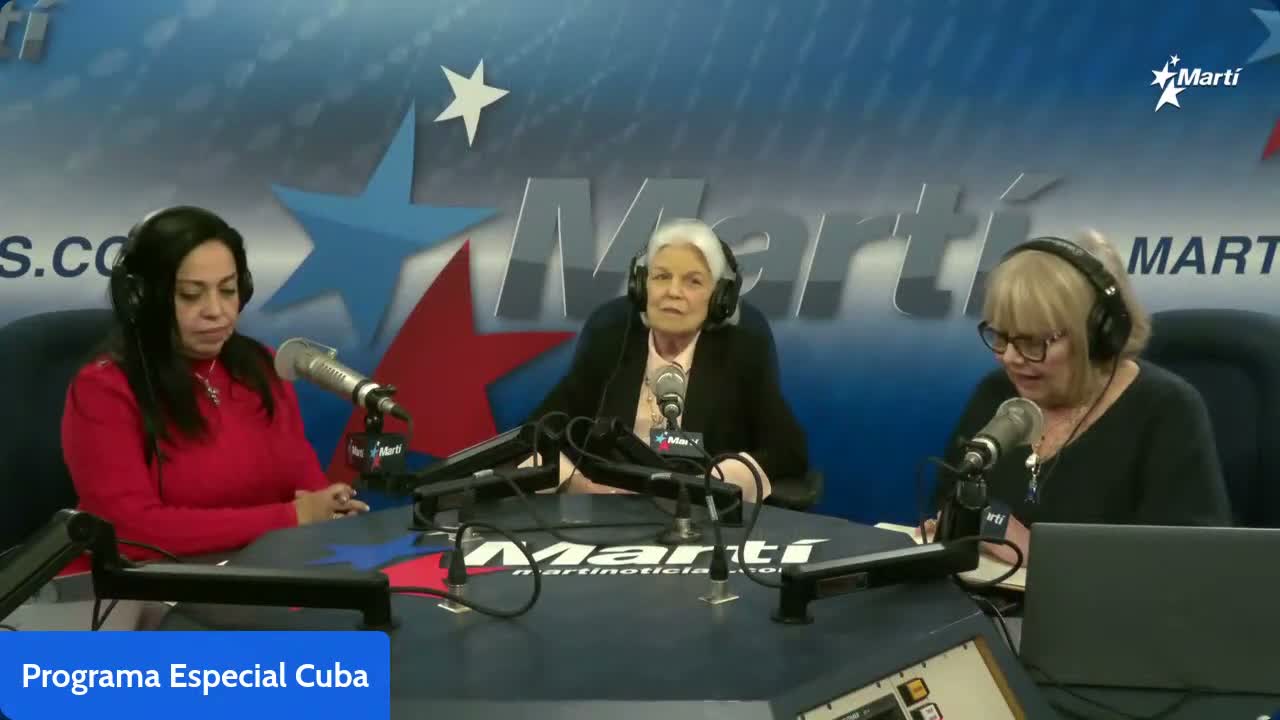
Radio Martí’s program El futuro es ya used its Feb. broadcast to place recent Latin American political shifts in the same conversation as a survivor’s call for renewed legal accountability for the 1996 shootdown of Brothers to the Rescue aircraft.
Hosts Ninoska Pérez Castellón and Yanissette Rivero interviewed political analyst Javier Silva Salas and activist Silvia Iriondo. Silva Salas argued that “el socialismo es un fracaso,” saying recent elections in Chile, Argentina and elsewhere reflect voter rejection of statist, assistance-centered policies and predicting that the incoming Chilean government of José Antonio Kast will oppose the Cuban regime on international stages.
The program then turned to the 30th anniversary of the Feb. 24 shootdown that killed four volunteers. Silvia Iriondo, identified on air as president of Mar por Cuba and a member of the Assembly of the Resistance and a survivor linked to the flights, described the humanitarian mission of Hermanos al Rescate and appealed for justice. “Sin paz, sin justicia, no hay paz,” she said, urging listeners and exile organizations to push for the "encausamiento" (legal prosecution) of Raúl Castro and to keep the case alive.
Iriondo recounted the scale of the humanitarian flights and their aftermath, saying Hermanos al Rescate carried out roughly 2,000 missions and “saved more than 5,000 lives” of migrants in the Florida Straits. She also offered first-hand recollections of crew members killed in the 1996 incident, naming Armando Alejandre, Mario de la Peña and Pablo (Pablito) Morales among those remembered and describing the emotional toll on families who still lack closure.
The hosts and guests discussed allegations of infiltration and betrayal by Cuban agents, naming Juan Pablo Roque among those described as collaborators with the regime during that period. The program emphasized that exile groups continue to demand accountability and public recognition of the victims.
As a practical follow-up, Iriondo announced a vigil for Feb. 23 at 7 p.m. at the Memorial Cubano, inviting listeners to join a candlelight prayer and a public call for renewed legal action. The broadcast did not report any formal legal filings or government decisions tied to that announcement.
The program placed these remembrances alongside broader commentary about Latin America’s political trajectory, with Silva Salas framing recent electoral outcomes as evidence of shifting public sentiment away from 21st-century socialism.
The show closed with production credits and a repeated call to action for listeners to support remembrance and justice efforts.
Hosts Ninoska Pérez Castellón and Yanissette Rivero interviewed political analyst Javier Silva Salas and activist Silvia Iriondo. Silva Salas argued that “el socialismo es un fracaso,” saying recent elections in Chile, Argentina and elsewhere reflect voter rejection of statist, assistance-centered policies and predicting that the incoming Chilean government of José Antonio Kast will oppose the Cuban regime on international stages.
The program then turned to the 30th anniversary of the Feb. 24 shootdown that killed four volunteers. Silvia Iriondo, identified on air as president of Mar por Cuba and a member of the Assembly of the Resistance and a survivor linked to the flights, described the humanitarian mission of Hermanos al Rescate and appealed for justice. “Sin paz, sin justicia, no hay paz,” she said, urging listeners and exile organizations to push for the "encausamiento" (legal prosecution) of Raúl Castro and to keep the case alive.
Iriondo recounted the scale of the humanitarian flights and their aftermath, saying Hermanos al Rescate carried out roughly 2,000 missions and “saved more than 5,000 lives” of migrants in the Florida Straits. She also offered first-hand recollections of crew members killed in the 1996 incident, naming Armando Alejandre, Mario de la Peña and Pablo (Pablito) Morales among those remembered and describing the emotional toll on families who still lack closure.
The hosts and guests discussed allegations of infiltration and betrayal by Cuban agents, naming Juan Pablo Roque among those described as collaborators with the regime during that period. The program emphasized that exile groups continue to demand accountability and public recognition of the victims.
As a practical follow-up, Iriondo announced a vigil for Feb. 23 at 7 p.m. at the Memorial Cubano, inviting listeners to join a candlelight prayer and a public call for renewed legal action. The broadcast did not report any formal legal filings or government decisions tied to that announcement.
The program placed these remembrances alongside broader commentary about Latin America’s political trajectory, with Silva Salas framing recent electoral outcomes as evidence of shifting public sentiment away from 21st-century socialism.
The show closed with production credits and a repeated call to action for listeners to support remembrance and justice efforts.
Don't Miss a Word: See the Full Meeting!
Go beyond summaries. Unlock every video, transcript, and key insight with a Founder Membership.
✓
Get instant access to full meeting videos
✓
Search and clip any phrase from complete transcripts
✓
Receive AI-powered summaries & custom alerts
✓
Enjoy lifetime, unrestricted access to government data
30-day money-back guarantee
