Zelensky says report of Feb. 24 election announcement was news to him; U.S. deadline framed as tactical by analyst
This article was created by AI summarizing key points discussed. AI makes mistakes, so for full details and context, please refer to the video of the full meeting. Please report any errors so we can fix them. Report an error »
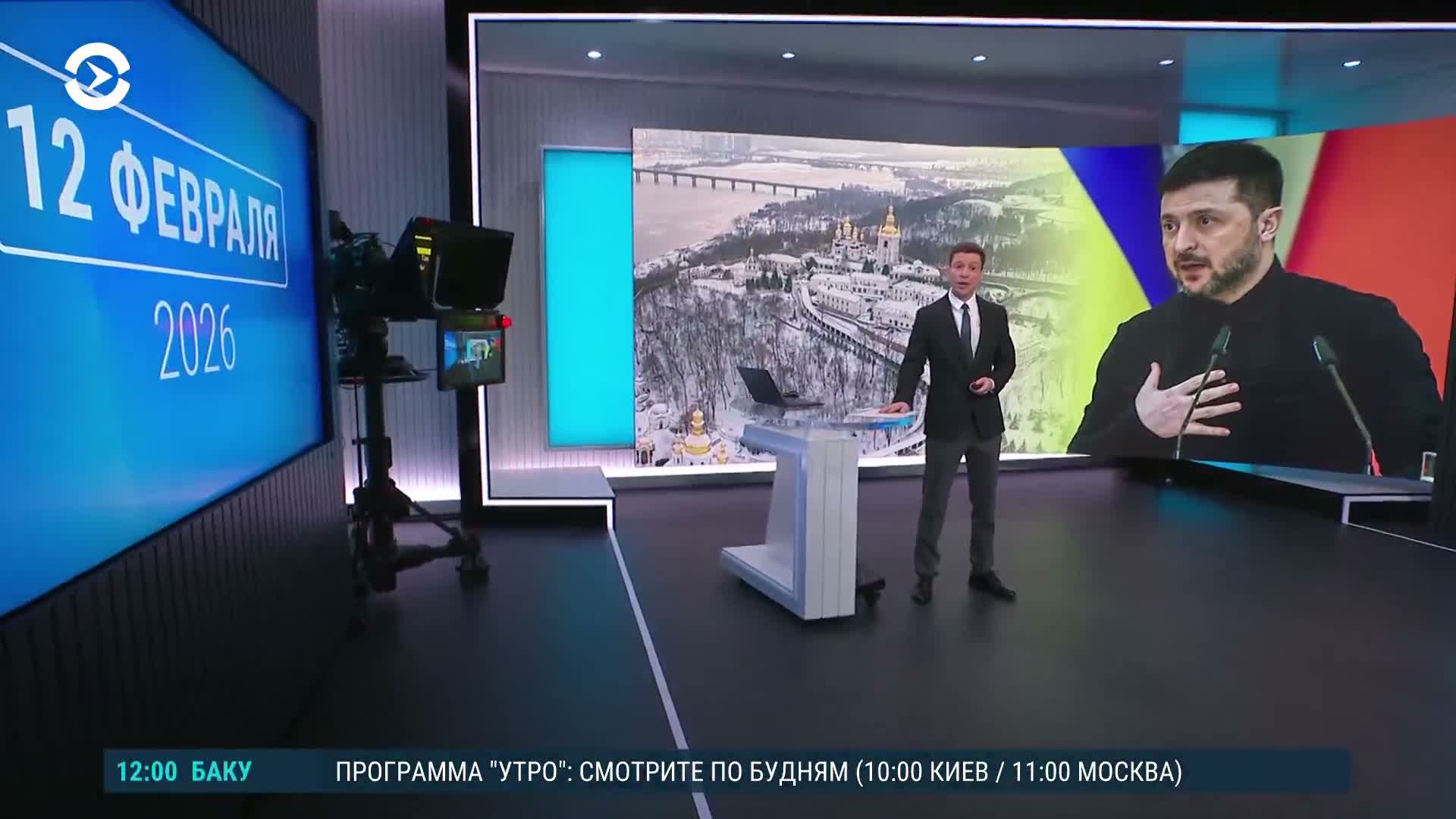
President Volodymyr Zelensky said he had not previously heard a Financial Times report that he planned to announce elections and a referendum on Feb. 24, saying on air that he was hearing the claim for the first time. "This is the first time I'm hearing this," the program quoted him as saying in response to the report.
The show also discussed comments by members of Ukraine's negotiating circle and Russian officials. Lawmaker Davyd Arakhamia was reported to have said U.S. officials want to finish talks by May 15; the program noted Arakhamia framed that date as a target rather than a hard deadline. Kremlin Foreign Minister Sergey Lavrov said Russia was prepared to consider compromises only if its interests and security guarantees were preserved.
Vladimir Fisenko, a Ukrainian political analyst and head of the Center for Applied Research Penta, told the program that such calendar dates are often tactical. He said U.S. political calendars — including midsummer symbolism tied to July 4 and U.S. congressional politics — likely inform pressure for a speedier outcome but that previous ‘‘deadlines’’ had failed to change the course of negotiations. "Deadlines are a way to accelerate the process, but they do not determine real developments in the talks," Fisenko said.
Fisenko and the broadcast reiterated Ukraine's public position that elections can occur only with adequate security guarantees, after hostilities end or under a verified ceasefire. He called territorial questions the toughest hurdle, saying proposals such as an international "free economic zone" in parts of Donbas raised unresolved questions about administration, control and demilitarization.
The program noted that Zelensky also said negotiations scheduled for Feb. 17–18 would focus on territory, and that it remained unclear whether the Russian delegation would agree to discuss terms on U.S. soil. The segment closed with the analyst forecasting little chance of quick, decisive breakthroughs on questions tied to sovereignty and territory.
The show also discussed comments by members of Ukraine's negotiating circle and Russian officials. Lawmaker Davyd Arakhamia was reported to have said U.S. officials want to finish talks by May 15; the program noted Arakhamia framed that date as a target rather than a hard deadline. Kremlin Foreign Minister Sergey Lavrov said Russia was prepared to consider compromises only if its interests and security guarantees were preserved.
Vladimir Fisenko, a Ukrainian political analyst and head of the Center for Applied Research Penta, told the program that such calendar dates are often tactical. He said U.S. political calendars — including midsummer symbolism tied to July 4 and U.S. congressional politics — likely inform pressure for a speedier outcome but that previous ‘‘deadlines’’ had failed to change the course of negotiations. "Deadlines are a way to accelerate the process, but they do not determine real developments in the talks," Fisenko said.
Fisenko and the broadcast reiterated Ukraine's public position that elections can occur only with adequate security guarantees, after hostilities end or under a verified ceasefire. He called territorial questions the toughest hurdle, saying proposals such as an international "free economic zone" in parts of Donbas raised unresolved questions about administration, control and demilitarization.
The program noted that Zelensky also said negotiations scheduled for Feb. 17–18 would focus on territory, and that it remained unclear whether the Russian delegation would agree to discuss terms on U.S. soil. The segment closed with the analyst forecasting little chance of quick, decisive breakthroughs on questions tied to sovereignty and territory.
View the Full Meeting & All Its Details
This article offers just a summary. Unlock complete video, transcripts, and insights as a Founder Member.
✓
Watch full, unedited meeting videos
✓
Search every word spoken in unlimited transcripts
✓
AI summaries & real-time alerts (all government levels)
✓
Permanent access to expanding government content
30-day money-back guarantee
