Cape Coral council declines to advance strong‑mayor charter rewrite for now
February 12, 2026 | Cape Coral City, Lee County, Florida
This article was created by AI summarizing key points discussed. AI makes mistakes, so for full details and context, please refer to the video of the full meeting. Please report any errors so we can fix them. Report an error »
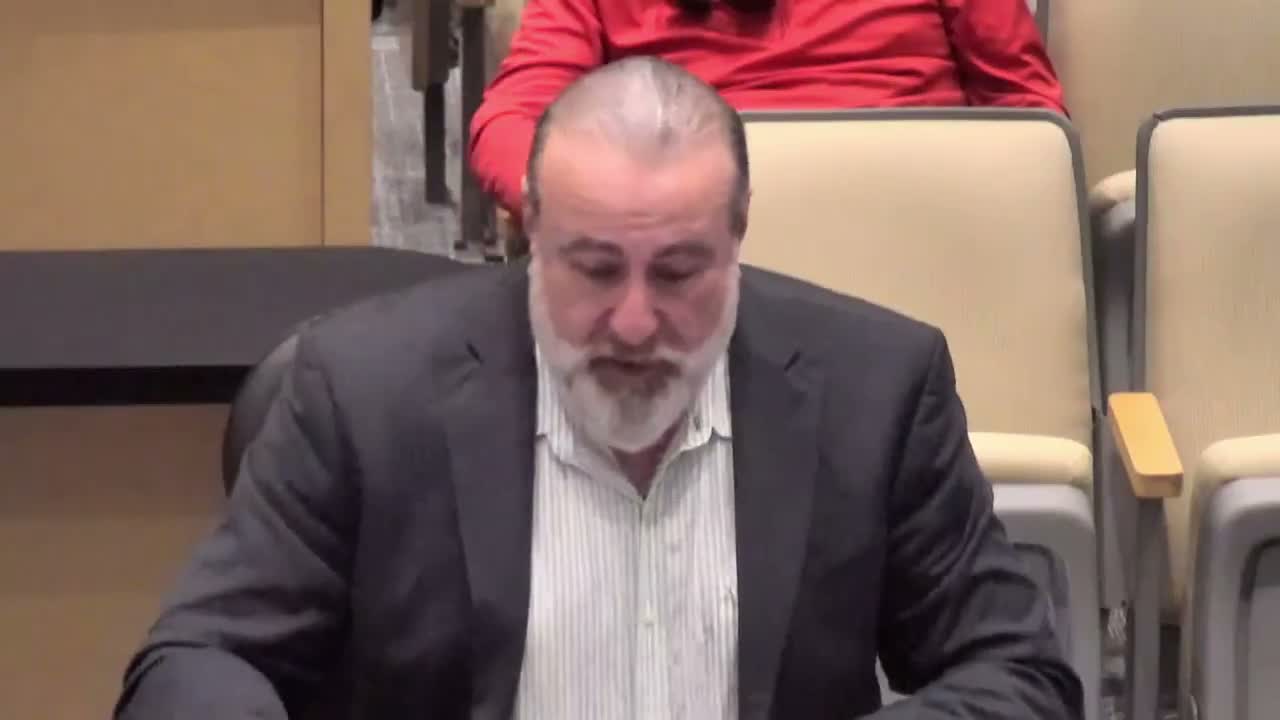
Assistant City Attorney Joshua Fredericksen and the city attorney’s office presented a comparative analysis of Florida strong‑mayor charters, explaining a range of choices for appointment power, veto time frames, department supervision, and whether the mayor would be a nonvoting executive or a council member with voting powers in limited circumstances. "Under the strong mayor system, the executive and legislative powers are more clearly divided," Fredericksen said, describing trade-offs between a mayor who "supervises all departments, appointments, suspensions, removals" and the current council–manager structure where the manager handles day‑to‑day operations.
Council members expressed sharply divided views. Supporters said the change would make the chief executive directly accountable to voters; critics warned that shifting operational control to an elected official could politicize management, reduce professional administrative capacity, and was premature while the city continues to grow. Council member Kilering summarized opposition: the council’s deliberative, professional model is working and converting to a strong mayor could "compromise what the city can become." Other council members said the public deserves a vote but that the council should not invest extensive staff time drafting a full replacement charter without a clear majority to support it.
Decision: The council recorded individual positions and concluded there is not a five‑member majority to direct the city attorney to proceed with a repeal‑and‑replace charter now; the city attorney was asked to "put it on the shelf" and revisit later if desired. Staff will include the remaining Charter Review Commission ballot items later as directed.
Council members expressed sharply divided views. Supporters said the change would make the chief executive directly accountable to voters; critics warned that shifting operational control to an elected official could politicize management, reduce professional administrative capacity, and was premature while the city continues to grow. Council member Kilering summarized opposition: the council’s deliberative, professional model is working and converting to a strong mayor could "compromise what the city can become." Other council members said the public deserves a vote but that the council should not invest extensive staff time drafting a full replacement charter without a clear majority to support it.
Decision: The council recorded individual positions and concluded there is not a five‑member majority to direct the city attorney to proceed with a repeal‑and‑replace charter now; the city attorney was asked to "put it on the shelf" and revisit later if desired. Staff will include the remaining Charter Review Commission ballot items later as directed.
Don't Miss a Word: See the Full Meeting!
Go beyond summaries. Unlock every video, transcript, and key insight with a Founder Membership.
✓
Get instant access to full meeting videos
✓
Search and clip any phrase from complete transcripts
✓
Receive AI-powered summaries & custom alerts
✓
Enjoy lifetime, unrestricted access to government data
30-day money-back guarantee
