Washington County Council adopts amended 2026 salary ordinance, directs auditor to process back pay
February 12, 2026 | Washington County, Indiana
This article was created by AI summarizing key points discussed. AI makes mistakes, so for full details and context, please refer to the video of the full meeting. Please report any errors so we can fix them. Report an error »
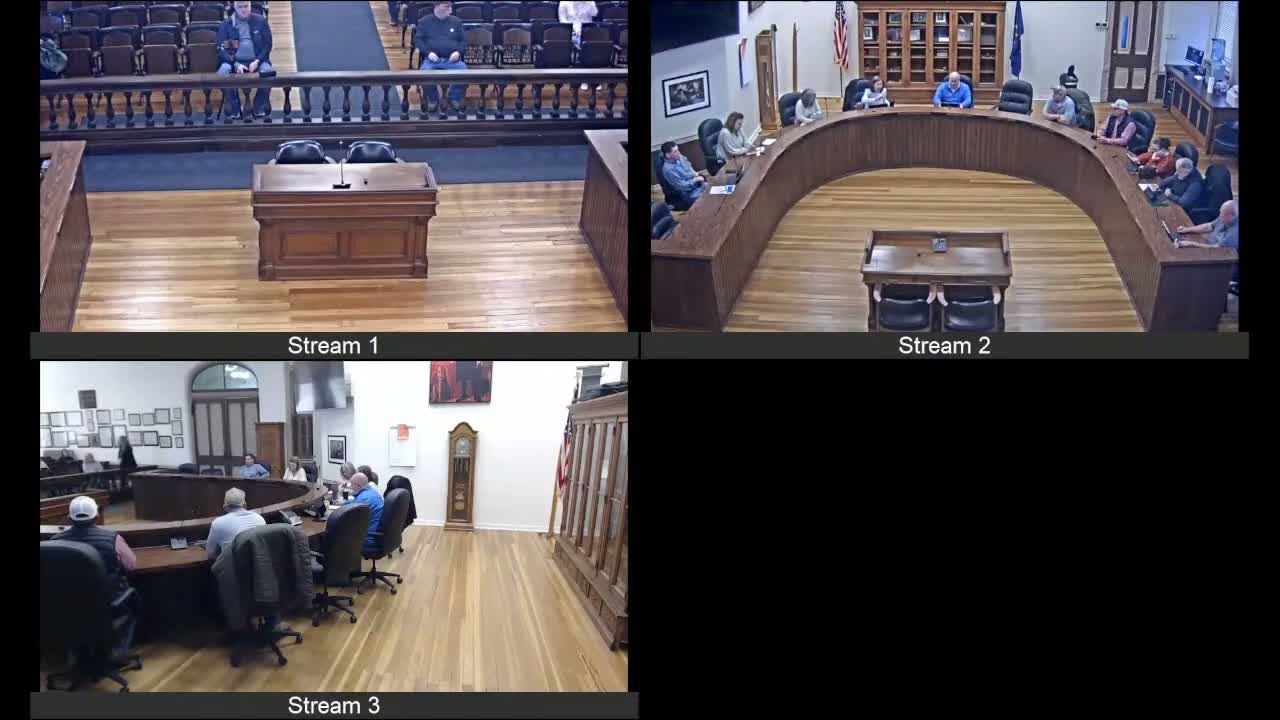
The Washington County Council on Monday adopted an amended 2026 salary ordinance that clarifies pay categories, corrects inconsistent biweekly figures and directs the auditor to implement new rates and process back pay.
The ordinance, as circulated and accepted with tracked changes, defines three pay categories—salary exempt (not overtime eligible), salary nonexempt (overtime eligible) and hourly—and updates addendum A with the applicable annual and hourly rates. Presenter (unnamed) told the council that some positions (for example, probation officers) must remain salaried under state statute and cannot be converted to hourly.
The ordinance also includes language allowing department heads limited discretion to reclassify overtime-eligible employees within the salary structure and to notify the auditor’s office of such changes without a formal ordinance amendment.
After discussion about how the addendum and payroll calculations would work, an unidentified council member moved to adopt the amendment. Mister Armstrong seconded; the chair asked those in favor to raise their right hands and announced, “Motion passes. Salary ordinance passes.”
Auditor staff told the council they have begun calculating back pay for affected pay periods and will enter new rates into payroll systems as soon as the signed ordinance is circulated. "Once we get the new rates, we'll enter them in, and departments will need to watch in AOD to make sure these values start showing up for employees," the auditor said, noting the updates should appear in payroll the payroll after next rather than the coming Friday.
Council members flagged the pay-period cadence as a separate budget question: wages for some elected officials and certain positions will continue to be spread over 27 pays for 2026 while the county may revert to 25 or 26 pays in future years depending on the calendar. The council said it will revisit pay-period timing and any structural changes during the budgeting process.
The council also directed staff to circulate the final signed ordinance for signatures before the meeting adjourned. The ordinance was finalized and accepted with tracked redline changes for printing and signature.
The special meeting then moved on to other informational items before adjourning.
The ordinance, as circulated and accepted with tracked changes, defines three pay categories—salary exempt (not overtime eligible), salary nonexempt (overtime eligible) and hourly—and updates addendum A with the applicable annual and hourly rates. Presenter (unnamed) told the council that some positions (for example, probation officers) must remain salaried under state statute and cannot be converted to hourly.
The ordinance also includes language allowing department heads limited discretion to reclassify overtime-eligible employees within the salary structure and to notify the auditor’s office of such changes without a formal ordinance amendment.
After discussion about how the addendum and payroll calculations would work, an unidentified council member moved to adopt the amendment. Mister Armstrong seconded; the chair asked those in favor to raise their right hands and announced, “Motion passes. Salary ordinance passes.”
Auditor staff told the council they have begun calculating back pay for affected pay periods and will enter new rates into payroll systems as soon as the signed ordinance is circulated. "Once we get the new rates, we'll enter them in, and departments will need to watch in AOD to make sure these values start showing up for employees," the auditor said, noting the updates should appear in payroll the payroll after next rather than the coming Friday.
Council members flagged the pay-period cadence as a separate budget question: wages for some elected officials and certain positions will continue to be spread over 27 pays for 2026 while the county may revert to 25 or 26 pays in future years depending on the calendar. The council said it will revisit pay-period timing and any structural changes during the budgeting process.
The council also directed staff to circulate the final signed ordinance for signatures before the meeting adjourned. The ordinance was finalized and accepted with tracked redline changes for printing and signature.
The special meeting then moved on to other informational items before adjourning.
View the Full Meeting & All Its Details
This article offers just a summary. Unlock complete video, transcripts, and insights as a Founder Member.
✓
Watch full, unedited meeting videos
✓
Search every word spoken in unlimited transcripts
✓
AI summaries & real-time alerts (all government levels)
✓
Permanent access to expanding government content
30-day money-back guarantee
