Las Vegas board hears CDBG requests from homeless, youth and family service providers
February 12, 2026 | Las Vegas , Clark County, Nevada
This article was created by AI summarizing key points discussed. AI makes mistakes, so for full details and context, please refer to the video of the full meeting. Please report any errors so we can fix them. Report an error »
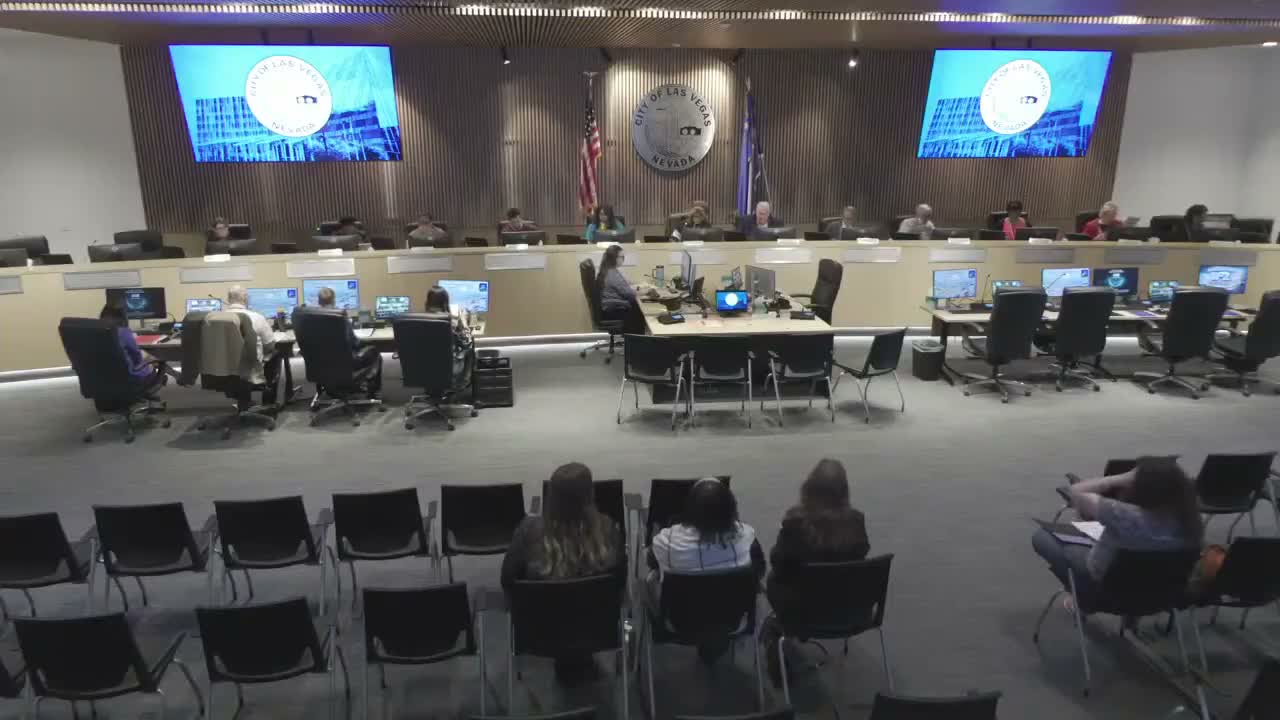
The Community Development Recommending Board on Monday heard presentations from more than a dozen nonprofit applicants seeking Community Development Block Grant (CDBG) and related federal funds for fiscal 2026–28, with agencies pitching programs for youth, people experiencing homelessness and family supports.
City staff told the board the RFP was posted Oct. 13, 2025; technical workshops were held Oct. 28, 2025; the RFP closed Nov. 13, 2025; and eligible applications were received on Dec. 8, 2025. Colleen Duwiger, the city’s grant program coordinator, said the city’s approximately $500,000 CDBG allocation will be awarded in two‑year cycles alongside other federal funding such as HOPWA, which she said is approximately $3,300,000.
Why it matters: The proposals seek to fund front‑line services that city staff and applicants said prevent higher‑cost outcomes such as emergency detention, hospitalization and chronic homelessness by supporting early intervention, shelter, case management and workforce services.
Key requests and claims
• Nevada Partnership for Homeless Youth (MPHY) asked for $75,000 to support its Safe Place mobile crisis intervention program, which MPHY’s Melissa Jacobowitz said is “the only around‑the‑clock mobile crisis intervention program in Southern Nevada” and that MPHY aims to serve 55 City of Las Vegas youth annually. Jacobowitz told the board the program had served 62 city youth in the prior fiscal year and had spent 64% of its current grant as of December 2025.
• The Salvation Army requested $114,140 for a residential, wraparound vocational program. Rebecca Miller, vocational and anti‑trafficking services coordinator, said the program served about 100 people annually and targets employment placements with a stated goal of 75% placed within three months of completion.
• Catholic Charities requested $66,000 to fund a case manager at its emergency night shelter. Presenters said their low‑barrier shelter serves up to about 400 men nightly and that case management connects guests to housing navigation and longer‑term services.
• Help of Southern Nevada sought continued funding for Shannon West, a transition‑age youth shelter and program that presenters said served 56 city youth in the prior year and achieved high exit‑to‑stable‑housing rates.
• Family Promise requested $65,000 for a Pathway to Housing program that places families in motel units and provides case management; Foster Kinship requested $70,000 for a navigator hub serving kinship caregivers; and the YMCA requested $110,000 to sustain 20 full‑day child care seats tied to workforce supports.
Questions from board members focused on reporting and performance measures, budget line‑item detail, audit history and organizational capacity. For example, a board member pressed the Salvation Army about a $70,000 line item for training costs; Rebecca Miller said that amount covers certifications and equipment such as work boots and jackets.
What the board will do next
Staff reminded members that scores must be entered into the Neighborly application portal by the 17th and that the board will reconvene for deliberations and award recommendations on Feb. 23, 2026. The meeting ended after a motion to adjourn from Member McKnight, seconded by Member Zangaro.
Funding totals and limits stated in presentations and by staff were reported by presenters and staff during the hearing; final award amounts will be set at the deliberation meeting.
City staff told the board the RFP was posted Oct. 13, 2025; technical workshops were held Oct. 28, 2025; the RFP closed Nov. 13, 2025; and eligible applications were received on Dec. 8, 2025. Colleen Duwiger, the city’s grant program coordinator, said the city’s approximately $500,000 CDBG allocation will be awarded in two‑year cycles alongside other federal funding such as HOPWA, which she said is approximately $3,300,000.
Why it matters: The proposals seek to fund front‑line services that city staff and applicants said prevent higher‑cost outcomes such as emergency detention, hospitalization and chronic homelessness by supporting early intervention, shelter, case management and workforce services.
Key requests and claims
• Nevada Partnership for Homeless Youth (MPHY) asked for $75,000 to support its Safe Place mobile crisis intervention program, which MPHY’s Melissa Jacobowitz said is “the only around‑the‑clock mobile crisis intervention program in Southern Nevada” and that MPHY aims to serve 55 City of Las Vegas youth annually. Jacobowitz told the board the program had served 62 city youth in the prior fiscal year and had spent 64% of its current grant as of December 2025.
• The Salvation Army requested $114,140 for a residential, wraparound vocational program. Rebecca Miller, vocational and anti‑trafficking services coordinator, said the program served about 100 people annually and targets employment placements with a stated goal of 75% placed within three months of completion.
• Catholic Charities requested $66,000 to fund a case manager at its emergency night shelter. Presenters said their low‑barrier shelter serves up to about 400 men nightly and that case management connects guests to housing navigation and longer‑term services.
• Help of Southern Nevada sought continued funding for Shannon West, a transition‑age youth shelter and program that presenters said served 56 city youth in the prior year and achieved high exit‑to‑stable‑housing rates.
• Family Promise requested $65,000 for a Pathway to Housing program that places families in motel units and provides case management; Foster Kinship requested $70,000 for a navigator hub serving kinship caregivers; and the YMCA requested $110,000 to sustain 20 full‑day child care seats tied to workforce supports.
Questions from board members focused on reporting and performance measures, budget line‑item detail, audit history and organizational capacity. For example, a board member pressed the Salvation Army about a $70,000 line item for training costs; Rebecca Miller said that amount covers certifications and equipment such as work boots and jackets.
What the board will do next
Staff reminded members that scores must be entered into the Neighborly application portal by the 17th and that the board will reconvene for deliberations and award recommendations on Feb. 23, 2026. The meeting ended after a motion to adjourn from Member McKnight, seconded by Member Zangaro.
Funding totals and limits stated in presentations and by staff were reported by presenters and staff during the hearing; final award amounts will be set at the deliberation meeting.
Don't Miss a Word: See the Full Meeting!
Go beyond summaries. Unlock every video, transcript, and key insight with a Founder Membership.
✓
Get instant access to full meeting videos
✓
Search and clip any phrase from complete transcripts
✓
Receive AI-powered summaries & custom alerts
✓
Enjoy lifetime, unrestricted access to government data
30-day money-back guarantee
