Governor signs SB 106 to provide state funds to Planned Parenthood clinics
February 11, 2026 | Office of the Governor, Other State Agencies, Executive, California
This article was created by AI summarizing key points discussed. AI makes mistakes, so for full details and context, please refer to the video of the full meeting. Please report any errors so we can fix them. Report an error »
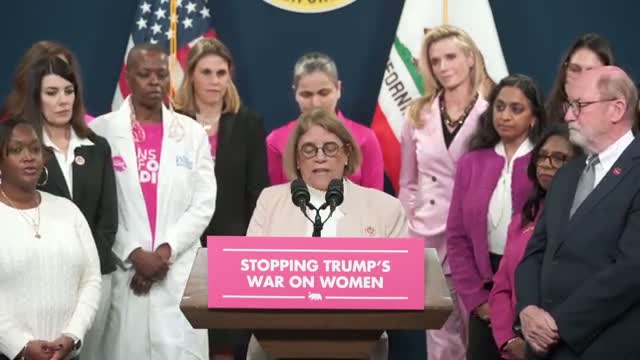
The governor signed SB 106 at a Capitol event, committing state funds to stabilize Planned Parenthood and other clinics that provide cancer screenings, STI testing, family planning and other primary and preventive services.
Assemblymember Jesse Gabriel, chair of the Assembly Budget Committee, said the legislative action was decisive. "We are keeping the doors open," he said, framing the measure as protection for clinics that serve students, parents and other Californians who rely on Medi‑Cal.
Senator John Laird, the Senate budget chair, described the federal context that prompted the state response, saying the package would "in the aggregate, 335,000,000 goes to keep Planned Parenthood clinics open in California," and that the funding will prevent tens of thousands of people from losing access to care.
Jody Hicks of Planned Parenthood thanked the governor and legislators and described the effort as necessary after what she characterized as targeted federal cuts that threatened centers that serve rural and underserved communities. "I wasn't gonna cry today because today is a good day," Hicks said.
Jennifer Siebel Newsom, introduced in the program as a supporter of the women's caucus, emphasized patients' experiences, saying when she has spoken with Planned Parenthood patients she heard one word repeatedly: "empowering." She and other speakers highlighted examples including same‑day appointments for urgent concerns, cancer screenings and no‑cost contraceptive counseling.
The governor said the state has stepped in with multiple budget actions. He recounted prior supplemental support of about $145,000,000, and said the January budget included a $60,000,000 placeholder that the Legislature moved to $90,000,000. He described a new grant program created to move money more quickly and with fewer administrative burdens and said the action uses one‑time general fund resources alongside projected revenue gains to accelerate relief. "I'm here and honored to have just signed this bill into law," the governor said.
Officials repeated that the need arose after federal changes tied to HR 1 that reduced reimbursements and left many visits previously covered by Medi‑Cal at risk; speakers noted more than 80 percent of Planned Parenthood patient visits in California are reimbursed through Medi‑Cal. Legislators and advocates framed the funding as an emergency stabilization step while acknowledging the state resources are one‑time and that longer‑term funding will remain a fiscal challenge.
The bill signing concluded with officials saying the administration and relevant agencies would work to get grant funds to clinics quickly. The governor took several media questions after the signing on unrelated items including high‑speed rail, refinery notices and election‑related enforcement concerns; he said the administration would continue litigation and public outreach on federal actions that affect state services.
The newly signed SB 106 creates a state mechanism to distribute supplemental funds to clinics affected by federal changes; program details and grant rollout timing were described as priorities for implementing agencies.
Assemblymember Jesse Gabriel, chair of the Assembly Budget Committee, said the legislative action was decisive. "We are keeping the doors open," he said, framing the measure as protection for clinics that serve students, parents and other Californians who rely on Medi‑Cal.
Senator John Laird, the Senate budget chair, described the federal context that prompted the state response, saying the package would "in the aggregate, 335,000,000 goes to keep Planned Parenthood clinics open in California," and that the funding will prevent tens of thousands of people from losing access to care.
Jody Hicks of Planned Parenthood thanked the governor and legislators and described the effort as necessary after what she characterized as targeted federal cuts that threatened centers that serve rural and underserved communities. "I wasn't gonna cry today because today is a good day," Hicks said.
Jennifer Siebel Newsom, introduced in the program as a supporter of the women's caucus, emphasized patients' experiences, saying when she has spoken with Planned Parenthood patients she heard one word repeatedly: "empowering." She and other speakers highlighted examples including same‑day appointments for urgent concerns, cancer screenings and no‑cost contraceptive counseling.
The governor said the state has stepped in with multiple budget actions. He recounted prior supplemental support of about $145,000,000, and said the January budget included a $60,000,000 placeholder that the Legislature moved to $90,000,000. He described a new grant program created to move money more quickly and with fewer administrative burdens and said the action uses one‑time general fund resources alongside projected revenue gains to accelerate relief. "I'm here and honored to have just signed this bill into law," the governor said.
Officials repeated that the need arose after federal changes tied to HR 1 that reduced reimbursements and left many visits previously covered by Medi‑Cal at risk; speakers noted more than 80 percent of Planned Parenthood patient visits in California are reimbursed through Medi‑Cal. Legislators and advocates framed the funding as an emergency stabilization step while acknowledging the state resources are one‑time and that longer‑term funding will remain a fiscal challenge.
The bill signing concluded with officials saying the administration and relevant agencies would work to get grant funds to clinics quickly. The governor took several media questions after the signing on unrelated items including high‑speed rail, refinery notices and election‑related enforcement concerns; he said the administration would continue litigation and public outreach on federal actions that affect state services.
The newly signed SB 106 creates a state mechanism to distribute supplemental funds to clinics affected by federal changes; program details and grant rollout timing were described as priorities for implementing agencies.
Don't Miss a Word: See the Full Meeting!
Go beyond summaries. Unlock every video, transcript, and key insight with a Founder Membership.
✓
Get instant access to full meeting videos
✓
Search and clip any phrase from complete transcripts
✓
Receive AI-powered summaries & custom alerts
✓
Enjoy lifetime, unrestricted access to government data
30-day money-back guarantee
