Committee Weighs Short‑term Billing Fix to Reduce Delays for Dental Anesthesia for Children
February 11, 2026 | 2026 Legislature ME, Maine
This article was created by AI summarizing key points discussed. AI makes mistakes, so for full details and context, please refer to the video of the full meeting. Please report any errors so we can fix them. Report an error »
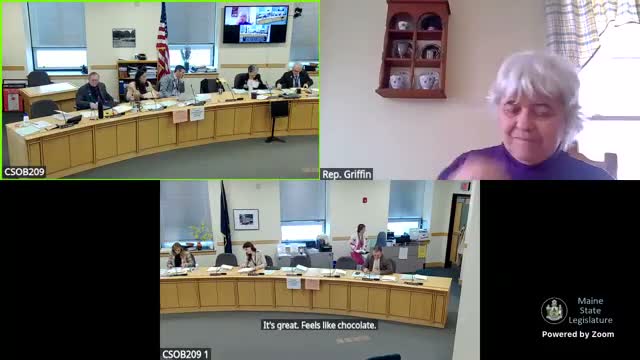
Testimony on LD 2123 focused on improving access to dental care requiring deep sedation or general anesthesia for children and other patients for whom office‑based care is unsafe or impractical. Witnesses said current MaineCare anesthesia reimbursements do not cover anesthesiologist rates and that providers sometimes absorb anesthesia costs, limiting where and when care can be scheduled.
Analysts explained the bill’s original structure and the amendment adding newer 2026 anesthesia codes (D9224/D9225) for administration with advanced airway. DHHS said some form of short‑term rate adjustment limited to pediatric anesthesia could be administratively feasible but noted any increase tied to unusual payment rules (for example, paying supplemental amounts only in ambulatory surgical centers serving a given payer mix) would likely require federal approval and careful design. DHHS and sponsor agreed that removing restrictive caveats and aligning any short‑term change with the department’s ongoing dental rate determination (scheduled for 2026) would simplify implementation.
Committee follow‑ups: DHHS agreed it could model an across‑the‑board anesthesia adjustment for dental services and provide cost estimates; members asked for a fiscal ballpark and for DHHS to return with language that could be inserted into the bill without upending the full rate‑setting timetable.
Analysts explained the bill’s original structure and the amendment adding newer 2026 anesthesia codes (D9224/D9225) for administration with advanced airway. DHHS said some form of short‑term rate adjustment limited to pediatric anesthesia could be administratively feasible but noted any increase tied to unusual payment rules (for example, paying supplemental amounts only in ambulatory surgical centers serving a given payer mix) would likely require federal approval and careful design. DHHS and sponsor agreed that removing restrictive caveats and aligning any short‑term change with the department’s ongoing dental rate determination (scheduled for 2026) would simplify implementation.
Committee follow‑ups: DHHS agreed it could model an across‑the‑board anesthesia adjustment for dental services and provide cost estimates; members asked for a fiscal ballpark and for DHHS to return with language that could be inserted into the bill without upending the full rate‑setting timetable.
View the Full Meeting & All Its Details
This article offers just a summary. Unlock complete video, transcripts, and insights as a Founder Member.
✓
Watch full, unedited meeting videos
✓
Search every word spoken in unlimited transcripts
✓
AI summaries & real-time alerts (all government levels)
✓
Permanent access to expanding government content
30-day money-back guarantee
