Appellate panel probes admissibility of secretly recorded audio and late‑produced photos in civil trial
February 11, 2026 | Judicial - Appeals Court Oral Arguments, Judicial, Massachusetts
This article was created by AI summarizing key points discussed. AI makes mistakes, so for full details and context, please refer to the video of the full meeting. Please report any errors so we can fix them. Report an error »
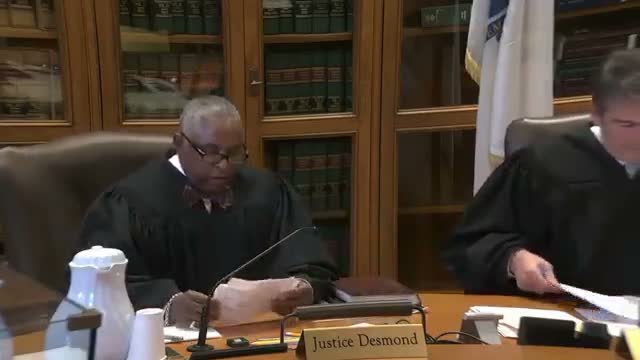
The panel heard argument in 25P0339, concerning alleged trial‑level evidentiary errors including admission of an audio recording made without all parties’ knowledge and the late introduction of photographs that the appellants said were sanctioned out of evidence.
Patricia Gary, representing the appellant, argued that the recording was obtained and used in a manner inconsistent with the Wiretap Act (Mass. Gen. Laws ch.272 §99) and that its repeated playback during trial—and access during jury deliberations—was highly prejudicial. "It infected the trial," Gary told the panel, describing repeated plays and jury access to the audio during deliberations. Counsel also argued the late use of photographs (previously sanctioned) deprived the defense of the opportunity to authenticate and test metadata.
Opposing counsel and trial counsel told the court there is no civil exclusionary rule equivalent to criminal suppression and that the wiretap statute’s civil remedies (damages) do not automatically bar use of such evidence in civil trials. Trial counsel said the recording and the photographs were in the civil record (including deposition disclosure) and that other admissible evidence (testimony, medical records, photographs) supported the jury’s verdict, minimizing the claimed prejudice.
The justices pressed counsel about where the Wiretap Act specifically bars civil admission and whether the civil statutory scheme furnishes a remedy other than exclusion. They also questioned whether appellants preserved certain objections at trial (for example, contemporaneous requests for continuance) and the extent to which the trial judge’s discretion may be reviewed on appeal.
The panel took the matter under advisement after extended questioning by multiple justices.
Patricia Gary, representing the appellant, argued that the recording was obtained and used in a manner inconsistent with the Wiretap Act (Mass. Gen. Laws ch.272 §99) and that its repeated playback during trial—and access during jury deliberations—was highly prejudicial. "It infected the trial," Gary told the panel, describing repeated plays and jury access to the audio during deliberations. Counsel also argued the late use of photographs (previously sanctioned) deprived the defense of the opportunity to authenticate and test metadata.
Opposing counsel and trial counsel told the court there is no civil exclusionary rule equivalent to criminal suppression and that the wiretap statute’s civil remedies (damages) do not automatically bar use of such evidence in civil trials. Trial counsel said the recording and the photographs were in the civil record (including deposition disclosure) and that other admissible evidence (testimony, medical records, photographs) supported the jury’s verdict, minimizing the claimed prejudice.
The justices pressed counsel about where the Wiretap Act specifically bars civil admission and whether the civil statutory scheme furnishes a remedy other than exclusion. They also questioned whether appellants preserved certain objections at trial (for example, contemporaneous requests for continuance) and the extent to which the trial judge’s discretion may be reviewed on appeal.
The panel took the matter under advisement after extended questioning by multiple justices.
Don't Miss a Word: See the Full Meeting!
Go beyond summaries. Unlock every video, transcript, and key insight with a Founder Membership.
✓
Get instant access to full meeting videos
✓
Search and clip any phrase from complete transcripts
✓
Receive AI-powered summaries & custom alerts
✓
Enjoy lifetime, unrestricted access to government data
30-day money-back guarantee
