Senate Judiciary hears testimony on bill to speed dismissal of meritless suits against volunteers
February 11, 2026 | Judiciary, SENATE, Committees, Legislative , Vermont
This article was created by AI summarizing key points discussed. AI makes mistakes, so for full details and context, please refer to the video of the full meeting. Please report any errors so we can fix them. Report an error »
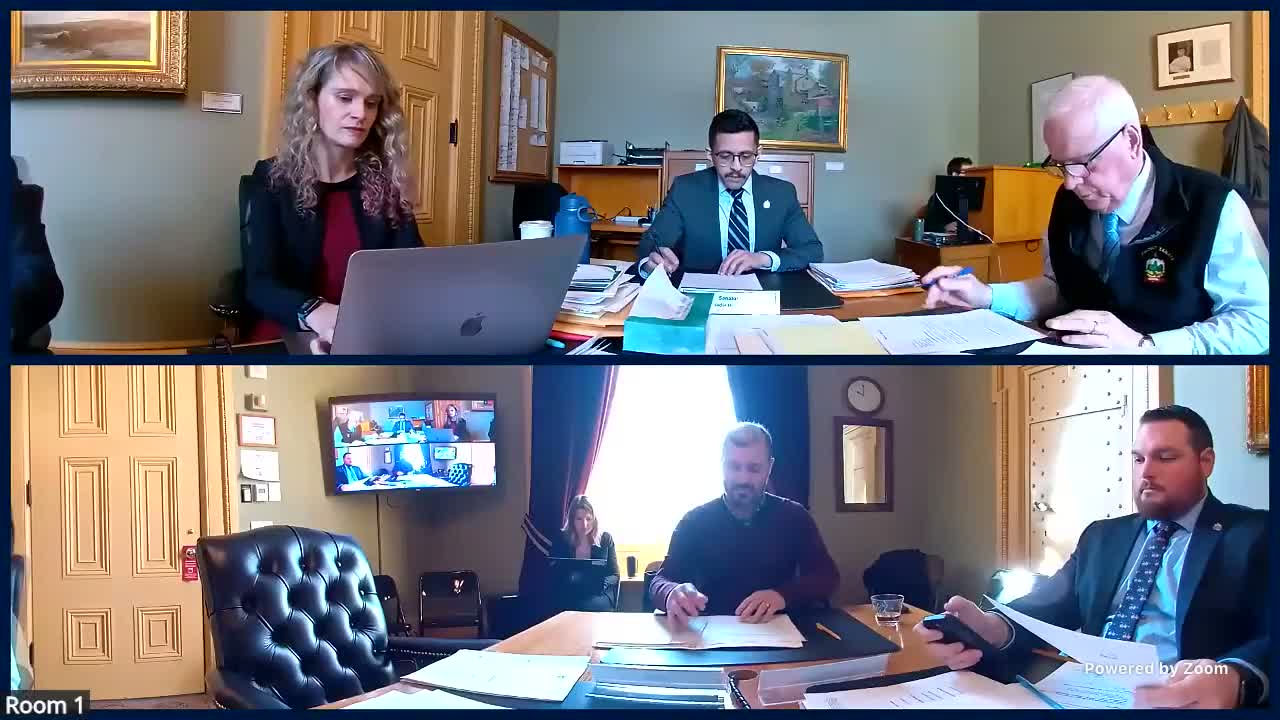
Benjamin Brickner, a Pompa resident and member of the Pompa Select Board, told the Senate Judiciary committee on Feb. 10 that Senate Bill 151 would protect community volunteers from being named individually in lawsuits used to extract settlements from organizations. "Individual volunteers are too often named as defendants personally in lawsuits, not because of anything they've done, not because of their conduct, but to gain settlement leverage over the organizations that they're serving," Brickner said.
Brickner said the bill is modeled on Vermont's existing anti-SLAPP statute (Title 12, A7 1041) and aligns with the federal Volunteer Protection Act of 1997. Under the draft, a covered volunteer sued for volunteer activity could file a special motion to strike to obtain expedited review of claims; if the motion succeeds, courts may award reasonable attorney's fees and costs.
"It's not immunity," Brickner added, emphasizing the measure is a procedural mechanism to speed dismissal of claims that lack merit while preserving access to the courthouse for colorable cases. He said the motion to strike would not be available where a defendant engaged in reckless, grossly negligent or intentional misconduct, and criminal charges are excluded from the bill's protections.
Emma Paradise, co-director of Common Good Vermont, a statewide program of United Way of Northwest Vermont that serves the state's nonprofit sector, said preliminary outreach to nonprofit members indicates the protections could be particularly useful in subsectors such as youth programs and volunteer driver services. "We would definitely support this, for any additional level of protection and just expediting the process," Paradise said, and told the committee she would follow up with specific examples.
Committee members asked technical questions about the bill's operation. One member queried how limited discovery would interact with a motion to strike; Brickner said motions would typically be decided on the pleadings but that the draft permits limited discovery or affidavits for good cause so courts can resolve matters faster than the traditional litigation timeline.
Brickner and witnesses also discussed two proposed edits: delaying a required report date from July 2026 to July 2027 and reconsidering the bill's de minimis compensation threshold, which currently follows the federal $500 figure. A committee member raised concern about whether directors of governmental entities could be covered; witnesses noted compensation exclusions in the draft likely prevent paid directors from qualifying as volunteers.
Brickner argued an additional public benefit of the bill would be judicial economy by removing meritless claims from congested dockets. The committee did not take a formal vote; members said they plan to hear additional witnesses, expect further input from counsel, and may hold markup next week before determining a path forward.
Brickner said the bill is modeled on Vermont's existing anti-SLAPP statute (Title 12, A7 1041) and aligns with the federal Volunteer Protection Act of 1997. Under the draft, a covered volunteer sued for volunteer activity could file a special motion to strike to obtain expedited review of claims; if the motion succeeds, courts may award reasonable attorney's fees and costs.
"It's not immunity," Brickner added, emphasizing the measure is a procedural mechanism to speed dismissal of claims that lack merit while preserving access to the courthouse for colorable cases. He said the motion to strike would not be available where a defendant engaged in reckless, grossly negligent or intentional misconduct, and criminal charges are excluded from the bill's protections.
Emma Paradise, co-director of Common Good Vermont, a statewide program of United Way of Northwest Vermont that serves the state's nonprofit sector, said preliminary outreach to nonprofit members indicates the protections could be particularly useful in subsectors such as youth programs and volunteer driver services. "We would definitely support this, for any additional level of protection and just expediting the process," Paradise said, and told the committee she would follow up with specific examples.
Committee members asked technical questions about the bill's operation. One member queried how limited discovery would interact with a motion to strike; Brickner said motions would typically be decided on the pleadings but that the draft permits limited discovery or affidavits for good cause so courts can resolve matters faster than the traditional litigation timeline.
Brickner and witnesses also discussed two proposed edits: delaying a required report date from July 2026 to July 2027 and reconsidering the bill's de minimis compensation threshold, which currently follows the federal $500 figure. A committee member raised concern about whether directors of governmental entities could be covered; witnesses noted compensation exclusions in the draft likely prevent paid directors from qualifying as volunteers.
Brickner argued an additional public benefit of the bill would be judicial economy by removing meritless claims from congested dockets. The committee did not take a formal vote; members said they plan to hear additional witnesses, expect further input from counsel, and may hold markup next week before determining a path forward.
View the Full Meeting & All Its Details
This article offers just a summary. Unlock complete video, transcripts, and insights as a Founder Member.
✓
Watch full, unedited meeting videos
✓
Search every word spoken in unlimited transcripts
✓
AI summaries & real-time alerts (all government levels)
✓
Permanent access to expanding government content
30-day money-back guarantee
