Subcommittee opens hearing to probe prescription drug supply chain and affordability
February 11, 2026 | House Committee on Energy and Commerce, House Committee, House, Legislative, Federal
This article was created by AI summarizing key points discussed. AI makes mistakes, so for full details and context, please refer to the video of the full meeting. Please report any errors so we can fix them. Report an error »
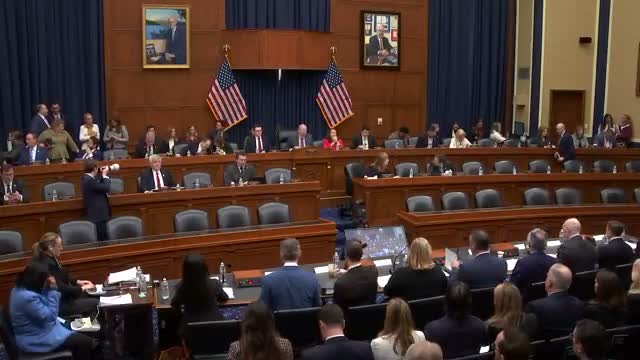
A subcommittee of the House Committee on Energy and Commerce opened a hearing to examine prescription drug affordability across the pharmaceutical supply chain, the subcommittee chair said. The chair said witnesses representing manufacturers, generic drug makers, pharmacy benefit managers, distributors, group purchasing organizations and community pharmacists will describe how drugs move from research to the patient and how costs are set.
“This system may seem simple…one of the most frustrating aspects of the supply chain is that it operates as if in a black box,” the chair said in his opening remarks. He urged witnesses to “shine a light on the process” so Congress can look for ways to make prescription drugs more affordable.
The chair recounted that the subcommittee recently heard from insurance executives and that the current hearing continues an affordability series. He also referenced a prior subcommittee hearing in 2017 and said the committee seeks to lower patient costs while preserving U.S. pharmaceutical innovation.
The chair named specific trade groups and stakeholders expected to testify: pharmaceutical and biotechnology firms; the Association for Accessible Medicines, representing generic manufacturers; the Pharmaceutical Care Management Association, representing pharmacy benefit managers (PBMs); the Healthcare Supply Chain Association, representing group purchasing organizations (GPOs); the Healthcare Distribution Alliance, representing distributors; and the National Community Pharmacists Association, representing independent community pharmacies.
The chair said insurers own many PBMs and asserted that “the largest 3 PBMs are owned by insurance companies, and they control over 80% of the market,” a point he raised as part of the hearing’s focus on market structure and transparency.
He also noted that, led by Representative Buddy Carter of Georgia, “Congress passed and the president signed into law the biggest PBM reform package in history,” and said those reforms are intended to bring more transparency and lower costs. The chair described community pharmacies as critical for rural access and said many have closed in recent years for reasons the hearing will explore.
The transcript did not identify the chair by name and did not specify a date or location for the hearing. The chair yielded to the subcommittee’s ranking member, Ms. DeGette, who was recognized for her opening remarks at the end of the provided transcript.
The hearing will continue with testimony from the listed stakeholders and questioning by subcommittee members.
“This system may seem simple…one of the most frustrating aspects of the supply chain is that it operates as if in a black box,” the chair said in his opening remarks. He urged witnesses to “shine a light on the process” so Congress can look for ways to make prescription drugs more affordable.
The chair recounted that the subcommittee recently heard from insurance executives and that the current hearing continues an affordability series. He also referenced a prior subcommittee hearing in 2017 and said the committee seeks to lower patient costs while preserving U.S. pharmaceutical innovation.
The chair named specific trade groups and stakeholders expected to testify: pharmaceutical and biotechnology firms; the Association for Accessible Medicines, representing generic manufacturers; the Pharmaceutical Care Management Association, representing pharmacy benefit managers (PBMs); the Healthcare Supply Chain Association, representing group purchasing organizations (GPOs); the Healthcare Distribution Alliance, representing distributors; and the National Community Pharmacists Association, representing independent community pharmacies.
The chair said insurers own many PBMs and asserted that “the largest 3 PBMs are owned by insurance companies, and they control over 80% of the market,” a point he raised as part of the hearing’s focus on market structure and transparency.
He also noted that, led by Representative Buddy Carter of Georgia, “Congress passed and the president signed into law the biggest PBM reform package in history,” and said those reforms are intended to bring more transparency and lower costs. The chair described community pharmacies as critical for rural access and said many have closed in recent years for reasons the hearing will explore.
The transcript did not identify the chair by name and did not specify a date or location for the hearing. The chair yielded to the subcommittee’s ranking member, Ms. DeGette, who was recognized for her opening remarks at the end of the provided transcript.
The hearing will continue with testimony from the listed stakeholders and questioning by subcommittee members.
Don't Miss a Word: See the Full Meeting!
Go beyond summaries. Unlock every video, transcript, and key insight with a Founder Membership.
✓
Get instant access to full meeting videos
✓
Search and clip any phrase from complete transcripts
✓
Receive AI-powered summaries & custom alerts
✓
Enjoy lifetime, unrestricted access to government data
30-day money-back guarantee
