Senate approves bill limiting municipal regulation of online marketplaces, sponsor says fraud protections remain
February 09, 2026 | 2026 Utah Legislature, Utah Legislature, Utah Legislative Branch, Utah
This article was created by AI summarizing key points discussed. AI makes mistakes, so for full details and context, please refer to the video of the full meeting. Please report any errors so we can fix them. Report an error »
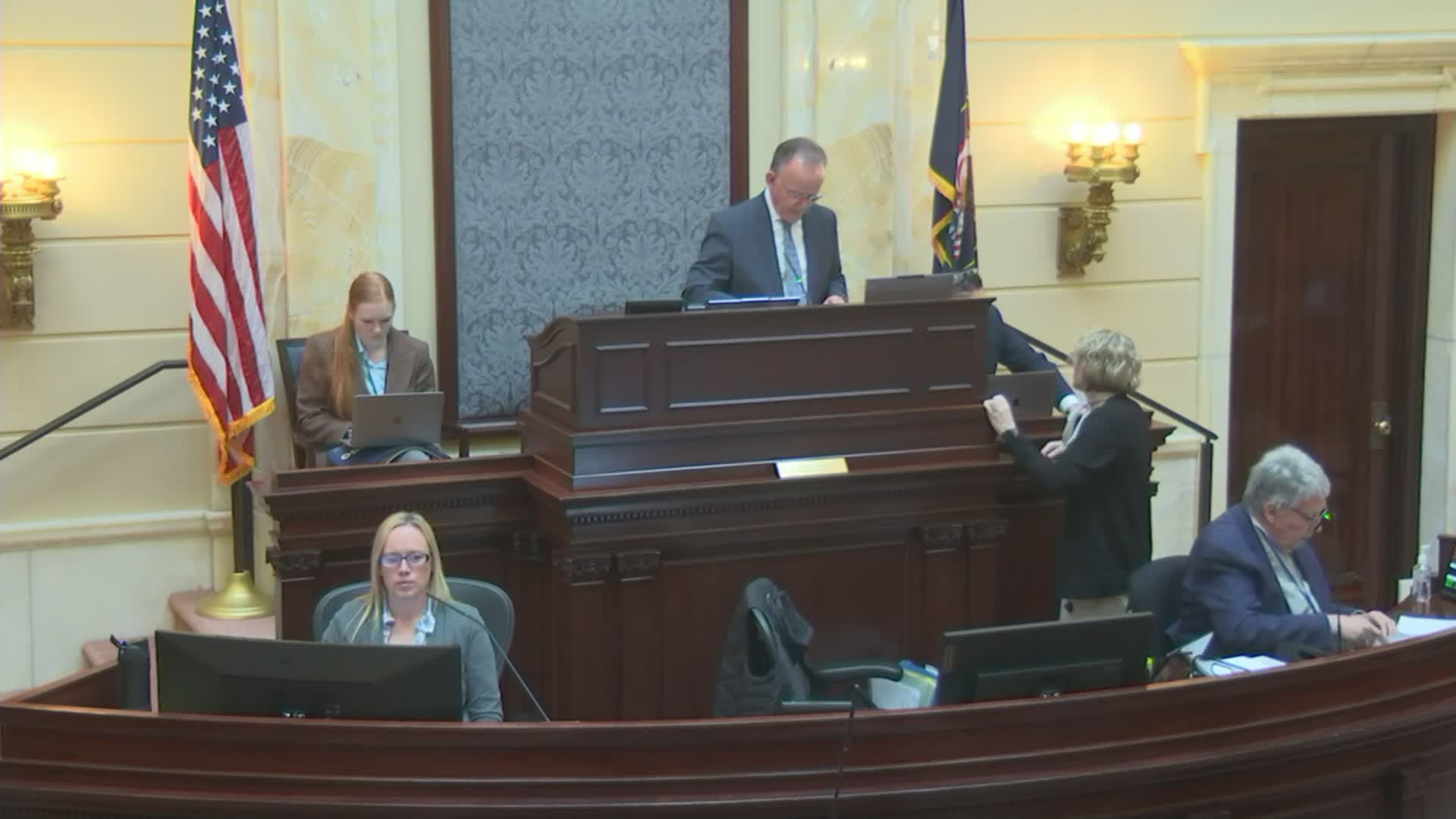
Senator Fillmore presented first substitute S.B. 108, describing it as a uniform approach to online‑marketplace regulation that targets platforms (examples named during the presentation included Uber Eats, DoorDash, Airbnb, VRBO, Amazon and national booking platforms). Sponsor remarks framed the measure as preserving municipalities’ legitimate authority over residents and local properties while preventing a patchwork of disparate municipal rules applying directly to platforms.
Senator Kwan asked whether the bill prevents municipalities from taking action to prevent fraud or investigate wrongdoing. Senator Fillmore replied directly that municipalities retain the ability to prevent fraud and to look at anything that might prevent fraud. With that clarification, Fillmore waived further discussion, called the question and moved that the substituted bill pass; the roll call recorded 23 yay, 3 nay and 3 absent and the bill will be sent to the House for further consideration.
Why it matters: The bill would limit municipal regulatory authority over platform businesses, a policy choice that sponsors described as promoting uniformity for commerce and platform‑level rules while leaving intact local control over residents and property. Local officials and consumer‑protection advocates may scrutinize whether the statutory carveouts the sponsor mentioned (fraud prevention, local property regulation) are sufficient in practice.
Next steps: The bill passed on the floor and will proceed to the House. Local governments and consumer advocates tracking the bill may seek clarifying language during the committee process or in the other chamber.
Senator Kwan asked whether the bill prevents municipalities from taking action to prevent fraud or investigate wrongdoing. Senator Fillmore replied directly that municipalities retain the ability to prevent fraud and to look at anything that might prevent fraud. With that clarification, Fillmore waived further discussion, called the question and moved that the substituted bill pass; the roll call recorded 23 yay, 3 nay and 3 absent and the bill will be sent to the House for further consideration.
Why it matters: The bill would limit municipal regulatory authority over platform businesses, a policy choice that sponsors described as promoting uniformity for commerce and platform‑level rules while leaving intact local control over residents and property. Local officials and consumer‑protection advocates may scrutinize whether the statutory carveouts the sponsor mentioned (fraud prevention, local property regulation) are sufficient in practice.
Next steps: The bill passed on the floor and will proceed to the House. Local governments and consumer advocates tracking the bill may seek clarifying language during the committee process or in the other chamber.
Don't Miss a Word: See the Full Meeting!
Go beyond summaries. Unlock every video, transcript, and key insight with a Founder Membership.
✓
Get instant access to full meeting videos
✓
Search and clip any phrase from complete transcripts
✓
Receive AI-powered summaries & custom alerts
✓
Enjoy lifetime, unrestricted access to government data
30-day money-back guarantee
