Committee approves judicial evaluation changes aimed at measuring appellate timeliness and outcomes
February 09, 2026 | 2026 Utah Legislature, Utah Legislature, Utah Legislative Branch, Utah
This article was created by AI summarizing key points discussed. AI makes mistakes, so for full details and context, please refer to the video of the full meeting. Please report any errors so we can fix them. Report an error »
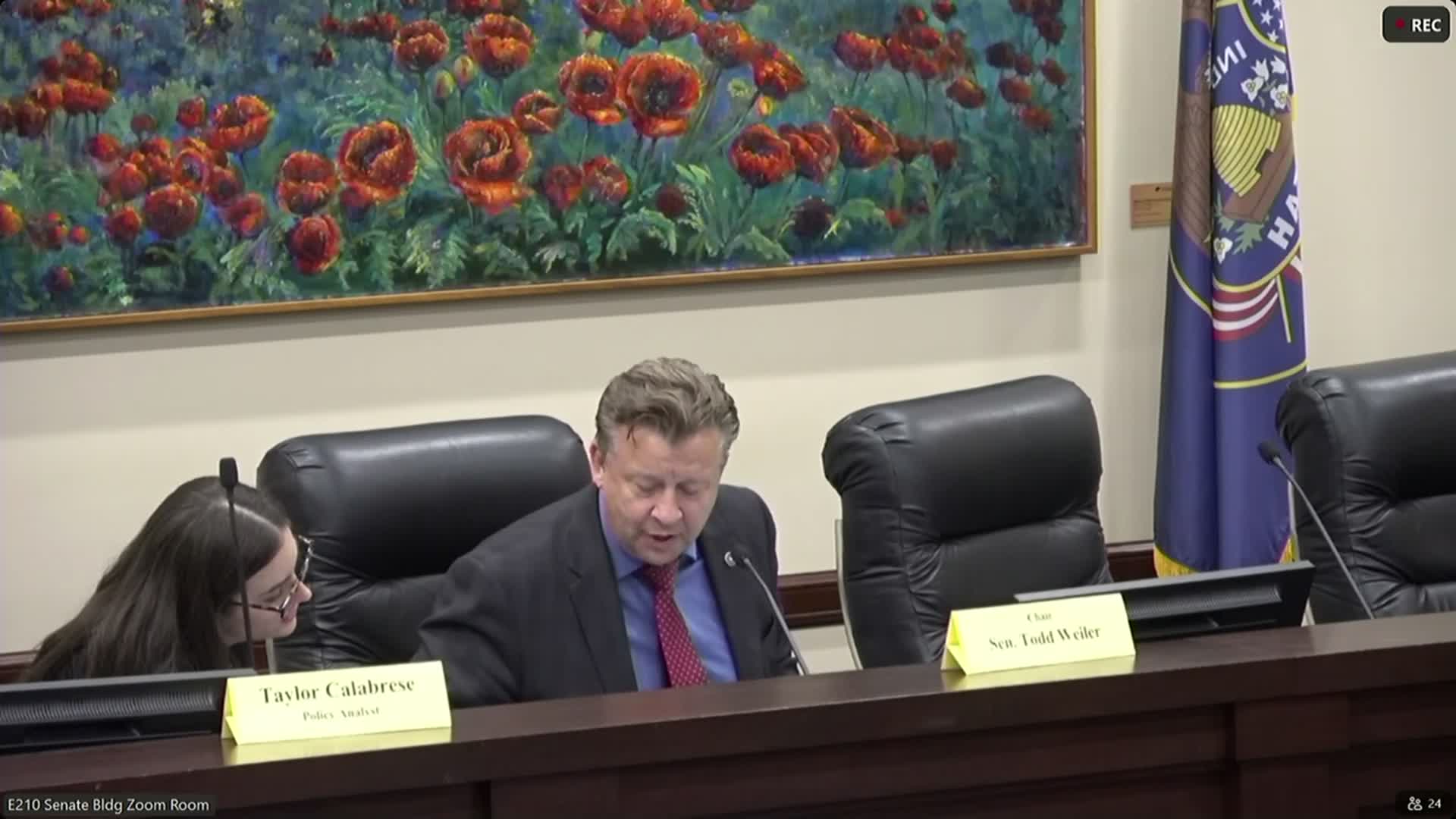
Senator Brammer presented a first substitute to SB233 seeking to refine judicial performance evaluations by encouraging the Judicial Performance Evaluation Commission (JPEC) to adopt docket‑management metrics and to consider percentage‑based measures for appellate timeliness rather than fixed counts. “We don't think any agency should be in charge of setting their own metrics,” Brammer said, arguing statutory clarity will help voters in retention elections.
Court administration witnesses, led by Michael Drexel, testified the proposed statutory performance standards risk intruding into court administration and separation‑of‑powers questions. Drexel told the committee existing Code of Judicial Administration rules already set opinion‑circulation limits and that such operational standards are more appropriately set in rule than statute.
Supporters including civic groups argued better metrics will give voters clearer information about judges’ performance in retention elections. JPEC representatives said they had been consulted and appreciated the committee's willingness to adjust language; JPEC's executive director stressed measuring 'judgment' is difficult and urged collaboration on valid, reliable measures.
The committee spent significant time hearing both sides. Sponsors emphasized they sought to codify standards already recommended nationally and to improve transparency and timeliness for appellate courts. After debate the committee voted to favorably recommend the first substitute by a 6–2 margin, with dissenters citing judicial independence and the risk of politicizing evaluations.
The bill now moves forward with requests for technical collaboration between the legislature, JPEC and the Judicial Council to ensure metrics are administratively feasible and constitutionally sound.
Court administration witnesses, led by Michael Drexel, testified the proposed statutory performance standards risk intruding into court administration and separation‑of‑powers questions. Drexel told the committee existing Code of Judicial Administration rules already set opinion‑circulation limits and that such operational standards are more appropriately set in rule than statute.
Supporters including civic groups argued better metrics will give voters clearer information about judges’ performance in retention elections. JPEC representatives said they had been consulted and appreciated the committee's willingness to adjust language; JPEC's executive director stressed measuring 'judgment' is difficult and urged collaboration on valid, reliable measures.
The committee spent significant time hearing both sides. Sponsors emphasized they sought to codify standards already recommended nationally and to improve transparency and timeliness for appellate courts. After debate the committee voted to favorably recommend the first substitute by a 6–2 margin, with dissenters citing judicial independence and the risk of politicizing evaluations.
The bill now moves forward with requests for technical collaboration between the legislature, JPEC and the Judicial Council to ensure metrics are administratively feasible and constitutionally sound.
View the Full Meeting & All Its Details
This article offers just a summary. Unlock complete video, transcripts, and insights as a Founder Member.
✓
Watch full, unedited meeting videos
✓
Search every word spoken in unlimited transcripts
✓
AI summaries & real-time alerts (all government levels)
✓
Permanent access to expanding government content
30-day money-back guarantee
