Utah House approves 2% remittance fee for some overseas transfers; opponents call it regressive
February 10, 2026 | 2026 Utah Legislature, Utah Legislature, Utah Legislative Branch, Utah
This article was created by AI summarizing key points discussed. AI makes mistakes, so for full details and context, please refer to the video of the full meeting. Please report any errors so we can fix them. Report an error »
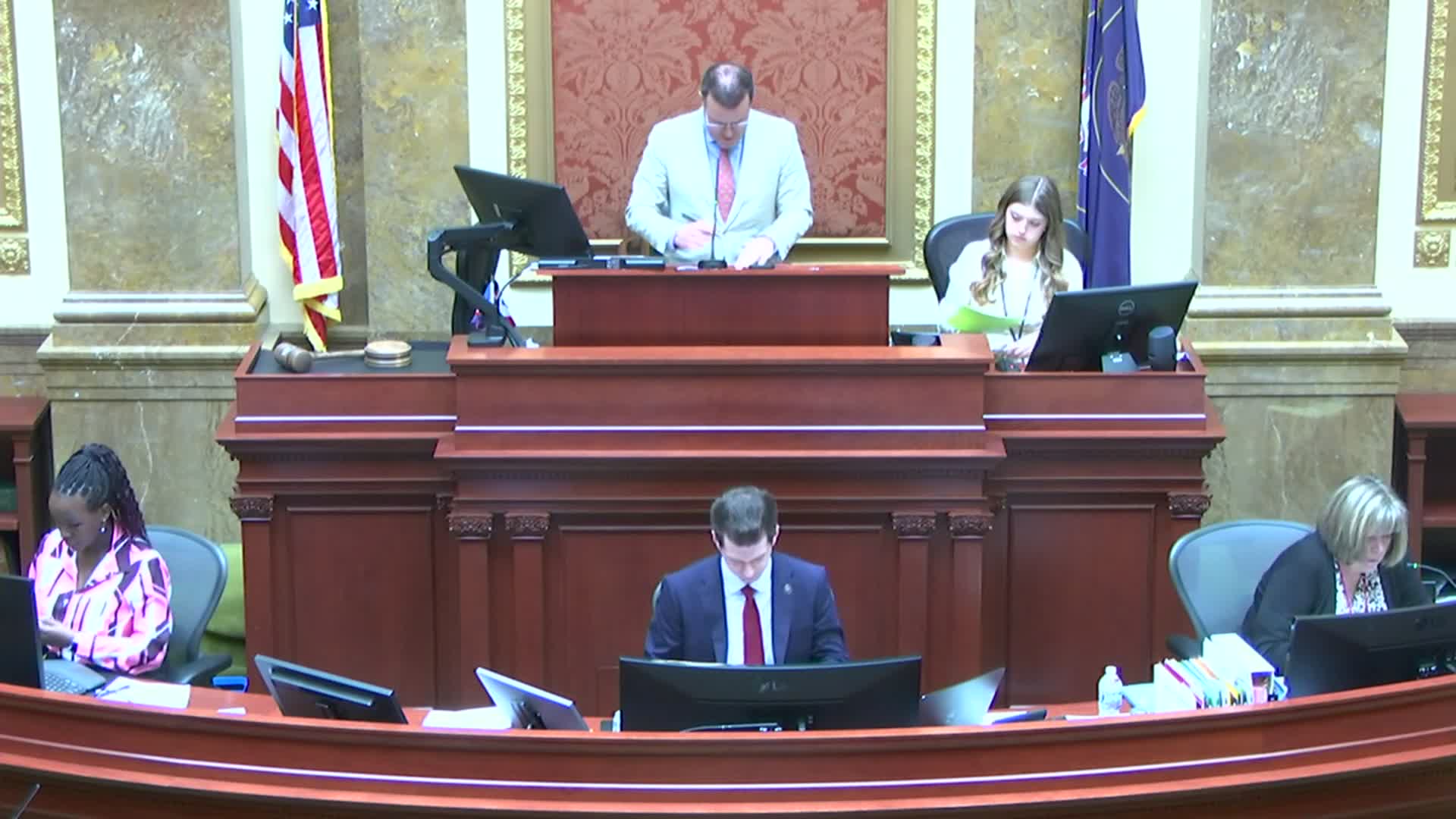
SALT LAKE CITY — The Utah House of Representatives on Feb. 10 passed the first substitute of HB141, a bill that would impose a 2% fee on foreign remittances when the sender does not present a state-approved form of identification.
"So this bill is a 2% tax on foreign remittances if you do not show a state issued ID," sponsor Representative Gracious told the House, describing the proposal as a way to help law enforcement and deter criminal misuse of remittance channels. The sponsor said a list of qualifying identification documents is included in the bill and that some categories — including specific visas and resident alien cards — are explicitly recognized as exemptions.
Opponents argued the fee would be regressive and harm families who rely on remittances to pay for food, medicine and rent abroad. "This tax would fall hardest on working class families and immigrants," Representative Wynne said, objecting that the measure could push families toward unregulated channels and reduce oversight.
Lawmakers asked about practical implementation. Representative Thurston asked whether a foreign passport alone would suffice as ID; the sponsor answered that acceptance would depend on accompanying documentation and cited exemptions for diplomats and resident aliens. Representative Cutler asked about cryptocurrency and stablecoins; the sponsor said the bill does not alter those channels and pointed to the bill's specific ID lists (lines cited on the floor) that track existing tax-code definitions.
Supporters framed the fee as a tool against money laundering and trafficking. Representative Pucci said the measure strengthens public-safety tools and urged colleagues to support the bill.
After floor debate, the House passed the first substitute HB141 58–15. The sponsor and opponents agreed on the need for clear implementing guidance and for the fiscal and administrative details to be clarified in subsequent committee or executive-branch processes.
Next steps: the bill will be sent to the Senate for consideration, and lawmakers indicated they expect further work on the implementing rules and the list of qualifying identification documents.
"So this bill is a 2% tax on foreign remittances if you do not show a state issued ID," sponsor Representative Gracious told the House, describing the proposal as a way to help law enforcement and deter criminal misuse of remittance channels. The sponsor said a list of qualifying identification documents is included in the bill and that some categories — including specific visas and resident alien cards — are explicitly recognized as exemptions.
Opponents argued the fee would be regressive and harm families who rely on remittances to pay for food, medicine and rent abroad. "This tax would fall hardest on working class families and immigrants," Representative Wynne said, objecting that the measure could push families toward unregulated channels and reduce oversight.
Lawmakers asked about practical implementation. Representative Thurston asked whether a foreign passport alone would suffice as ID; the sponsor answered that acceptance would depend on accompanying documentation and cited exemptions for diplomats and resident aliens. Representative Cutler asked about cryptocurrency and stablecoins; the sponsor said the bill does not alter those channels and pointed to the bill's specific ID lists (lines cited on the floor) that track existing tax-code definitions.
Supporters framed the fee as a tool against money laundering and trafficking. Representative Pucci said the measure strengthens public-safety tools and urged colleagues to support the bill.
After floor debate, the House passed the first substitute HB141 58–15. The sponsor and opponents agreed on the need for clear implementing guidance and for the fiscal and administrative details to be clarified in subsequent committee or executive-branch processes.
Next steps: the bill will be sent to the Senate for consideration, and lawmakers indicated they expect further work on the implementing rules and the list of qualifying identification documents.
View the Full Meeting & All Its Details
This article offers just a summary. Unlock complete video, transcripts, and insights as a Founder Member.
✓
Watch full, unedited meeting videos
✓
Search every word spoken in unlimited transcripts
✓
AI summaries & real-time alerts (all government levels)
✓
Permanent access to expanding government content
30-day money-back guarantee
