Missouri committee hears narrow timing fix for Most Scholars tax-credit program
February 09, 2026 | 2026 Legislature MO, Missouri
This article was created by AI summarizing key points discussed. AI makes mistakes, so for full details and context, please refer to the video of the full meeting. Please report any errors so we can fix them. Report an error »
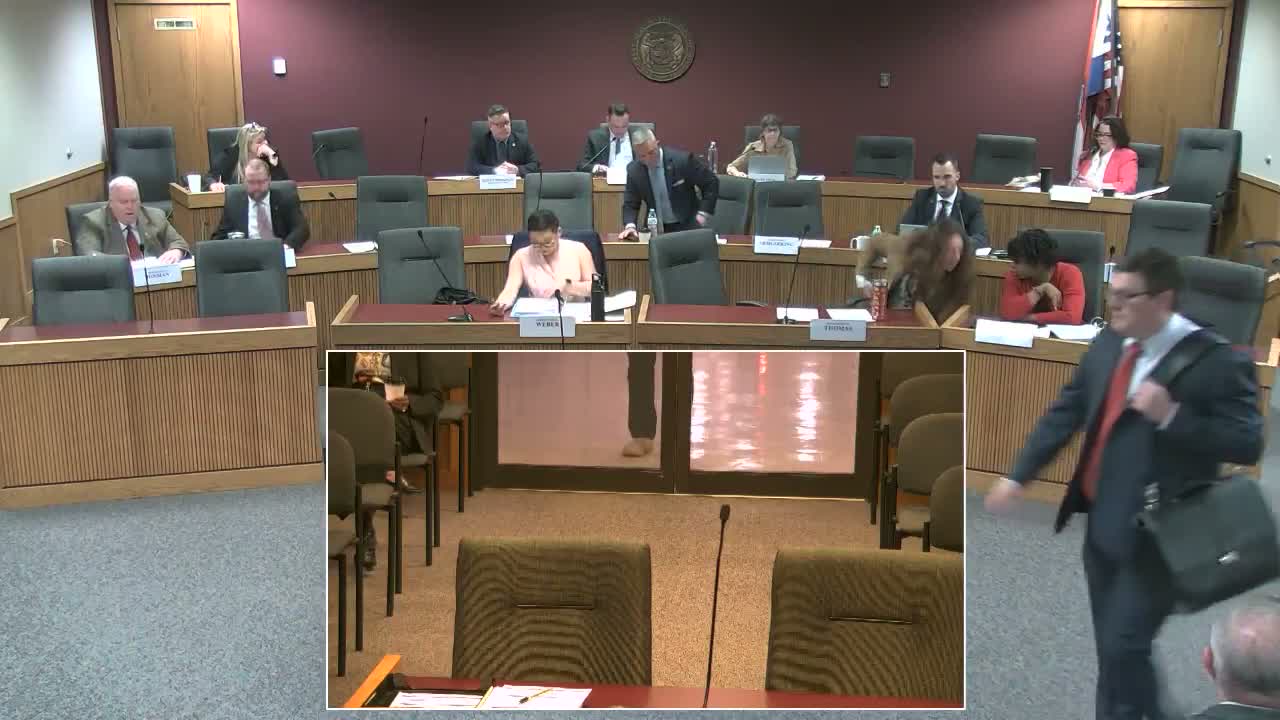
Representative Allen introduced House Bill 3037 as a "very narrow technical adjustment" to Missouri’s existing educational contribution tax credit program, commonly known as Most Scholars, saying the bill only changes when certain credits can be applied and does not alter eligibility, caps or accountability measures.
Supporters told the House Emerging Issues Committee the change would permit donors to apply a credit retroactively to the immediately prior tax year beginning in 2028, which proponents say aligns the program with other Missouri tax credits and federal timing practices. "Because tax liability can vary from year to year, a limited carryback helps to ensure that taxpayers who make qualifying contributions can fully use the credit they have already earned," Allen said.
Members questioned the fiscal implications. Representative Thomas cited Department of Revenue figures that the Mo Empowerment Scholarship Account Program authorized $27,625,000 in tax credits for FY2025 and that 4% ($1,105,000) of the total authorized credits were retroactively applied in the past, with an estimated interest cost of $77,350. Thomas asked whether allowing carrybacks would reduce education revenue; sponsors and proponents replied the effective date of 2028 was chosen to avoid near-term budget impacts and that the change only adjusts timing, not the total credit amount.
Witnesses who administer or advocate for the program described practical barriers for donors under current rules. Hillel Anton of Agudath Israel’s Educational Assistance Organization, which operates Most Scholars scholarships, said donors and CPAs often do not know final tax liability until tax preparation begins and that allowing contributions up to the filing deadline reduces cash-flow burdens and increases participation. Jean Evans of the American Federation for Children testified that the scholarship program can deliver education dollars at lower cost than some state approaches, citing, "On average we spend about $20,000 a year to educate a child in Missouri," as a statewide school-spending point of comparison.
The committee concluded the public testimony and included the bill for further consideration. No formal vote occurred during the hearing; sponsors said work would continue on legislative details and fiscal planning.
Supporters told the House Emerging Issues Committee the change would permit donors to apply a credit retroactively to the immediately prior tax year beginning in 2028, which proponents say aligns the program with other Missouri tax credits and federal timing practices. "Because tax liability can vary from year to year, a limited carryback helps to ensure that taxpayers who make qualifying contributions can fully use the credit they have already earned," Allen said.
Members questioned the fiscal implications. Representative Thomas cited Department of Revenue figures that the Mo Empowerment Scholarship Account Program authorized $27,625,000 in tax credits for FY2025 and that 4% ($1,105,000) of the total authorized credits were retroactively applied in the past, with an estimated interest cost of $77,350. Thomas asked whether allowing carrybacks would reduce education revenue; sponsors and proponents replied the effective date of 2028 was chosen to avoid near-term budget impacts and that the change only adjusts timing, not the total credit amount.
Witnesses who administer or advocate for the program described practical barriers for donors under current rules. Hillel Anton of Agudath Israel’s Educational Assistance Organization, which operates Most Scholars scholarships, said donors and CPAs often do not know final tax liability until tax preparation begins and that allowing contributions up to the filing deadline reduces cash-flow burdens and increases participation. Jean Evans of the American Federation for Children testified that the scholarship program can deliver education dollars at lower cost than some state approaches, citing, "On average we spend about $20,000 a year to educate a child in Missouri," as a statewide school-spending point of comparison.
The committee concluded the public testimony and included the bill for further consideration. No formal vote occurred during the hearing; sponsors said work would continue on legislative details and fiscal planning.
View the Full Meeting & All Its Details
This article offers just a summary. Unlock complete video, transcripts, and insights as a Founder Member.
✓
Watch full, unedited meeting videos
✓
Search every word spoken in unlimited transcripts
✓
AI summaries & real-time alerts (all government levels)
✓
Permanent access to expanding government content
30-day money-back guarantee
