Missouri House passes expanded anti-trafficking measure with new council, Sextortion Act and tougher penalties
February 09, 2026 | 2026 Legislature MO, Missouri
This article was created by AI summarizing key points discussed. AI makes mistakes, so for full details and context, please refer to the video of the full meeting. Please report any errors so we can fix them. Report an error »
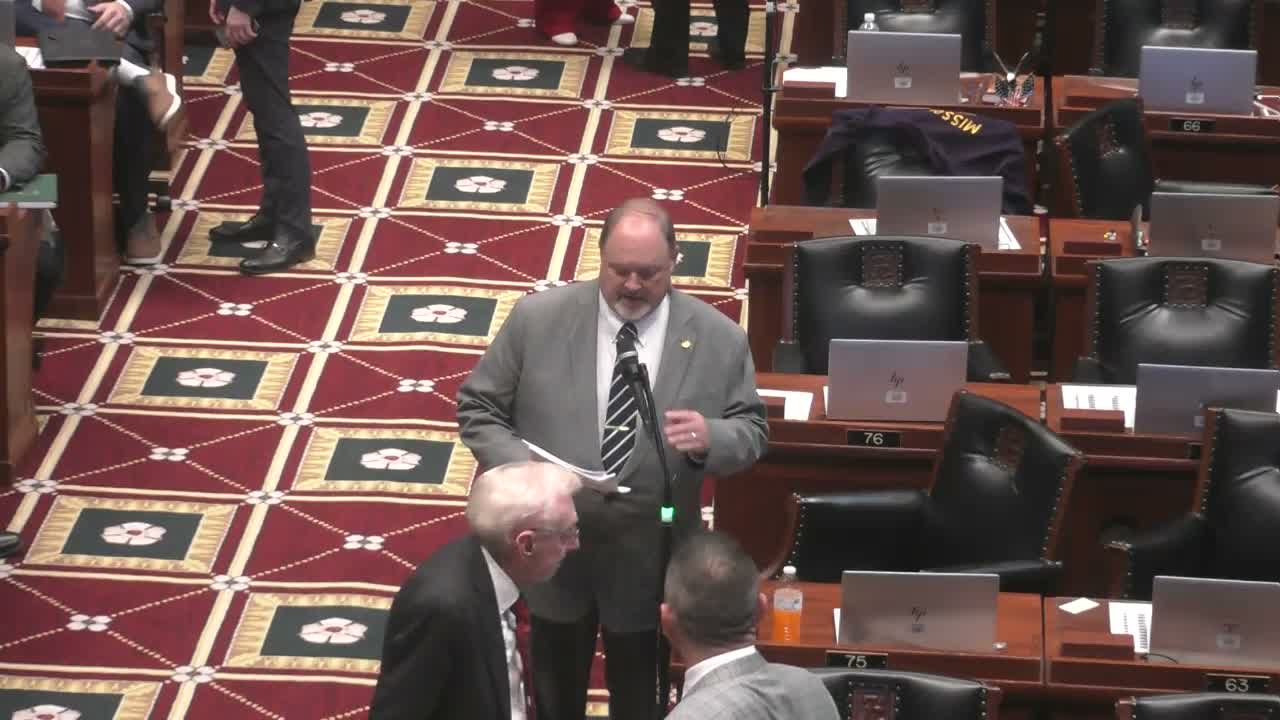
The Missouri House on Feb. 5 passed a large committee substitute intended to strengthen state law against human trafficking, grooming and related sexual-exploitation offenses.
Sponsor Representative (gentleman from Randolph County) told colleagues the roughly 76-page substitute clarifies statutory language (changing term usage to "child sexual-abuse material"), makes offenses "stackable" when the term appears in statute, creates a permanent statewide council housed in the attorney general's office to coordinate law enforcement, child welfare and first-responder training, and establishes an executive director and a fund for anti-trafficking work. The substitute also includes a Sextortion Act and raises penalties in specified circumstances.
Supporters emphasized victim protections. Lady from Saint Louis County (District 73) said the change to the statutory language matters and highlighted a provision allowing for expungement for trafficking victims who previously had charges, calling that element “critically important.” Opponents raised constitutional and drafting questions during floor inquiries; the sponsor said he had consulted House counsel and drafters and that the language was vetted by committees.
Following floor debate the House voted on the sponsorrenewed motion; the clerk announced yeas 148, nays 2 and declared the substitute third read and passed. The motion to advance was made on the floor by the gentleman from Randolph County; a second was not recorded in the transcript.
The bill package sponsors said the new council will link the attorney generaloffice with the Department of Social Services, juvenile agencies, the highway patrol, child advocacy centers and other entities to avoid siloed responses and improve training for teachers, nurses, foster-care workers and first responders.
Next steps in the legislative process (sending the bill to the Senate or enrolling it for the governor) were not recorded in the House transcript excerpt for this session.
The Houseaction followed committee approvals noted earlier in the record and concluded with the formal vote on the chamber floor.
Sponsor Representative (gentleman from Randolph County) told colleagues the roughly 76-page substitute clarifies statutory language (changing term usage to "child sexual-abuse material"), makes offenses "stackable" when the term appears in statute, creates a permanent statewide council housed in the attorney general's office to coordinate law enforcement, child welfare and first-responder training, and establishes an executive director and a fund for anti-trafficking work. The substitute also includes a Sextortion Act and raises penalties in specified circumstances.
Supporters emphasized victim protections. Lady from Saint Louis County (District 73) said the change to the statutory language matters and highlighted a provision allowing for expungement for trafficking victims who previously had charges, calling that element “critically important.” Opponents raised constitutional and drafting questions during floor inquiries; the sponsor said he had consulted House counsel and drafters and that the language was vetted by committees.
Following floor debate the House voted on the sponsorrenewed motion; the clerk announced yeas 148, nays 2 and declared the substitute third read and passed. The motion to advance was made on the floor by the gentleman from Randolph County; a second was not recorded in the transcript.
The bill package sponsors said the new council will link the attorney generaloffice with the Department of Social Services, juvenile agencies, the highway patrol, child advocacy centers and other entities to avoid siloed responses and improve training for teachers, nurses, foster-care workers and first responders.
Next steps in the legislative process (sending the bill to the Senate or enrolling it for the governor) were not recorded in the House transcript excerpt for this session.
The Houseaction followed committee approvals noted earlier in the record and concluded with the formal vote on the chamber floor.
View the Full Meeting & All Its Details
This article offers just a summary. Unlock complete video, transcripts, and insights as a Founder Member.
✓
Watch full, unedited meeting videos
✓
Search every word spoken in unlimited transcripts
✓
AI summaries & real-time alerts (all government levels)
✓
Permanent access to expanding government content
30-day money-back guarantee
