Senior and disability services face tight FY27; HCBS supplemental likely, department warns
February 09, 2026 | 2026 Legislature MO, Missouri
This article was created by AI summarizing key points discussed. AI makes mistakes, so for full details and context, please refer to the video of the full meeting. Please report any errors so we can fix them. Report an error »
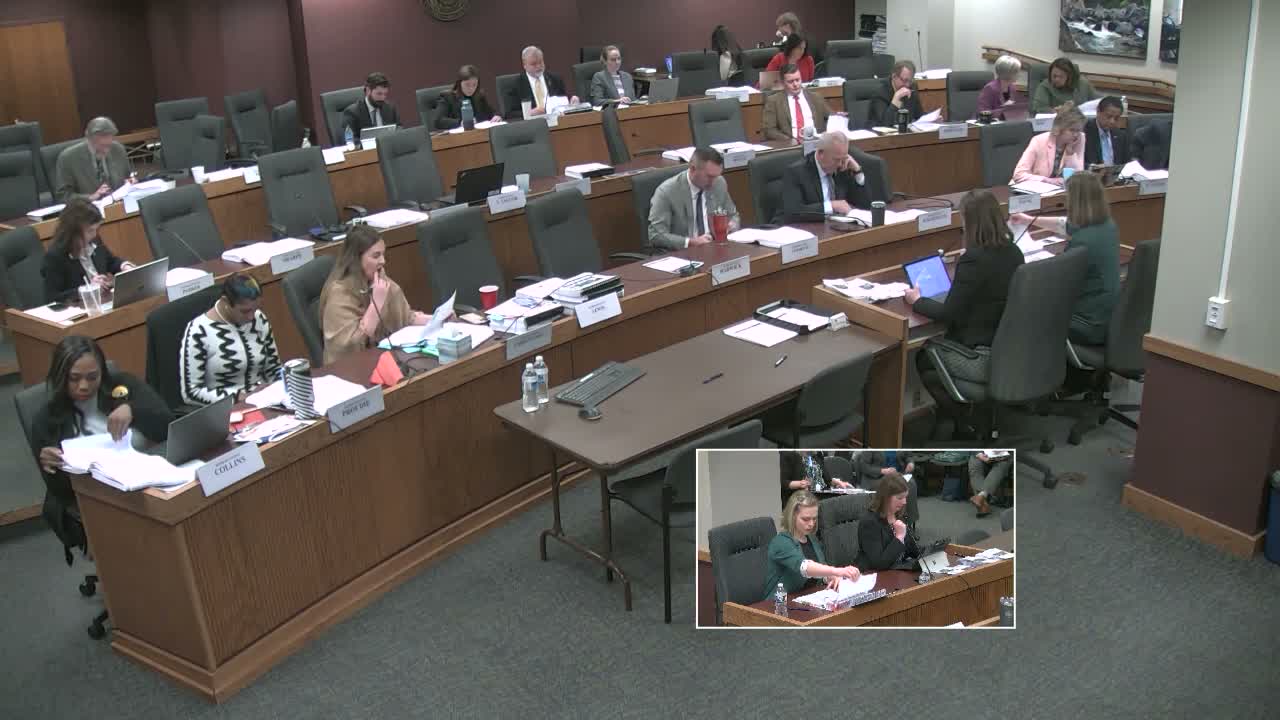
Department leaders told the committee they expect continued pressure on home‑and‑community‑based services (HCBS) and that the FY27 operating budget may not eliminate the need for a supplemental appropriation.
Melanie Hyland, director of the Division of Senior and Disability Services, described four program components — HCBS, adult protective services, senior programs and the long‑term care ombudsman — and explained how statutory funding and intrastate formulas distribute money to Area Agencies on Aging (AAAs). Committee members pressed for detail on two HCBS cores (self‑directed and in‑home models) that together represent more than half of an approximately $1.3 billion Medicaid HCBS program.
On supplemental timing and amounts, Hyland said the cost‑to‑continue figures reflect service levels through June 30, 2026, and that historically the program has required supplemental requests. She acknowledged the department expects to return with a supplemental for FY27 and that the split between GR and federal funds can vary due to FMAP calculations and utilization. "I do believe we will need a supplemental because that is how this program has been operating," Hyland said.
Members also questioned reductions to senior programs, including a $1 million reduction to caregiver supports and elimination of the Give 5 volunteer recruitment program. Hyland said communities and national volunteer groups may continue such recruitment work but the state will not fund the program at the requested level under present revenue constraints.
Representatives sought AAA expenditure detail and monitoring information for senior‑meal programs; the department agreed to supply per‑AAA expenditure breakdowns to the committee.
Melanie Hyland, director of the Division of Senior and Disability Services, described four program components — HCBS, adult protective services, senior programs and the long‑term care ombudsman — and explained how statutory funding and intrastate formulas distribute money to Area Agencies on Aging (AAAs). Committee members pressed for detail on two HCBS cores (self‑directed and in‑home models) that together represent more than half of an approximately $1.3 billion Medicaid HCBS program.
On supplemental timing and amounts, Hyland said the cost‑to‑continue figures reflect service levels through June 30, 2026, and that historically the program has required supplemental requests. She acknowledged the department expects to return with a supplemental for FY27 and that the split between GR and federal funds can vary due to FMAP calculations and utilization. "I do believe we will need a supplemental because that is how this program has been operating," Hyland said.
Members also questioned reductions to senior programs, including a $1 million reduction to caregiver supports and elimination of the Give 5 volunteer recruitment program. Hyland said communities and national volunteer groups may continue such recruitment work but the state will not fund the program at the requested level under present revenue constraints.
Representatives sought AAA expenditure detail and monitoring information for senior‑meal programs; the department agreed to supply per‑AAA expenditure breakdowns to the committee.
View the Full Meeting & All Its Details
This article offers just a summary. Unlock complete video, transcripts, and insights as a Founder Member.
✓
Watch full, unedited meeting videos
✓
Search every word spoken in unlimited transcripts
✓
AI summaries & real-time alerts (all government levels)
✓
Permanent access to expanding government content
30-day money-back guarantee
